Follow Me On Social Media!
Scallion Oil Noodles (Cong You Ban Mian): The “Triple-Extraction” Method

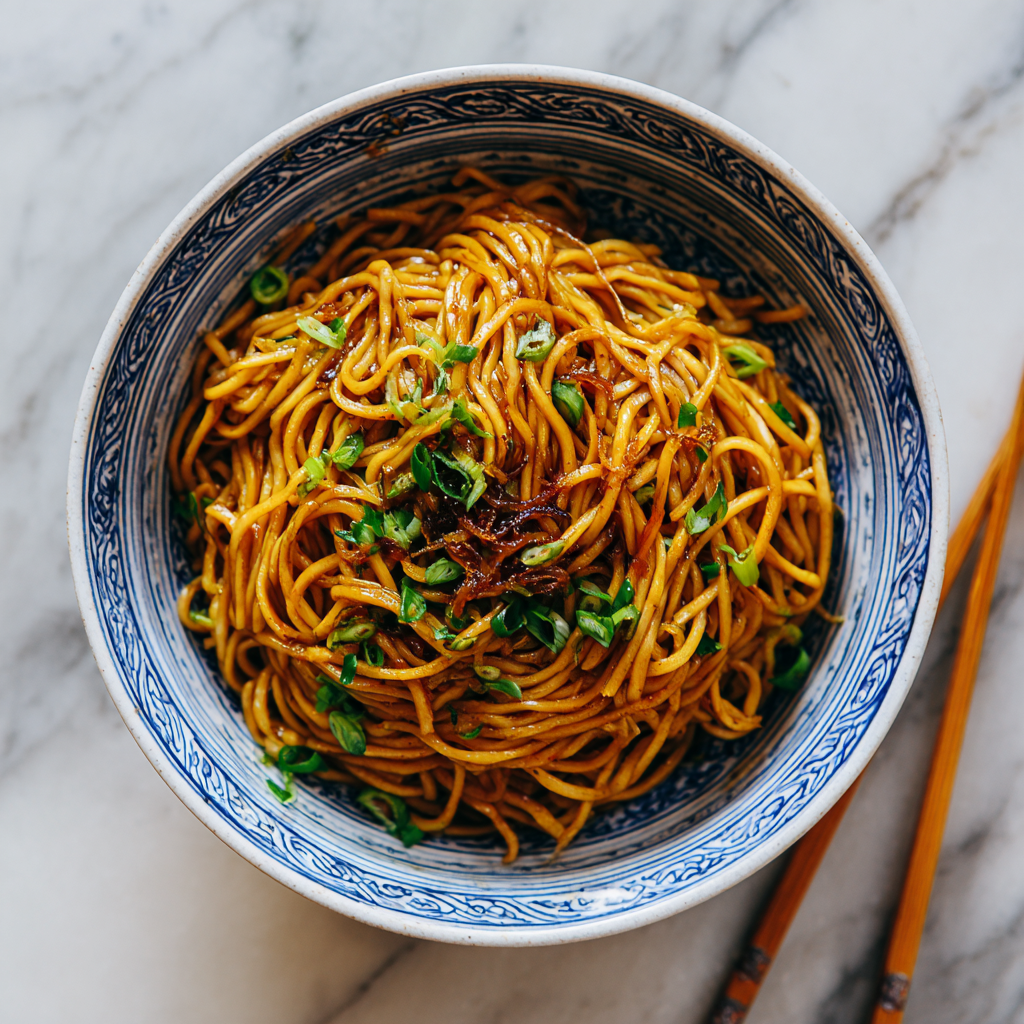
This iconic Shanghai comfort dish is a masterclass in Aromatic Infusion. In 2026, we focus on the Triple-Extraction of the scallion, moving beyond just frying them to capturing three distinct flavor profiles: the sweet, the toasted, and the crisp.
The Science of “Oil-Soluble Sulfur”
Scallions contain sulfur compounds that are highly volatile.
- Controlled Pyrolysis: We don’t just “cook” the scallions; we slowly dehydrate them in oil until the sugars caramelize and the proteins undergo the Maillard reaction. This creates a shelf-stable oil that carries the essence of the vegetable.
- The Emulsion “Kick”: The sauce isn’t just oil; it’s a mix of sugars and fermented soy. When tossed with hot, starchy noodles, the starch acts as a natural bridge, emulsifying the oil and soy into a glossy coating that clings to every strand.
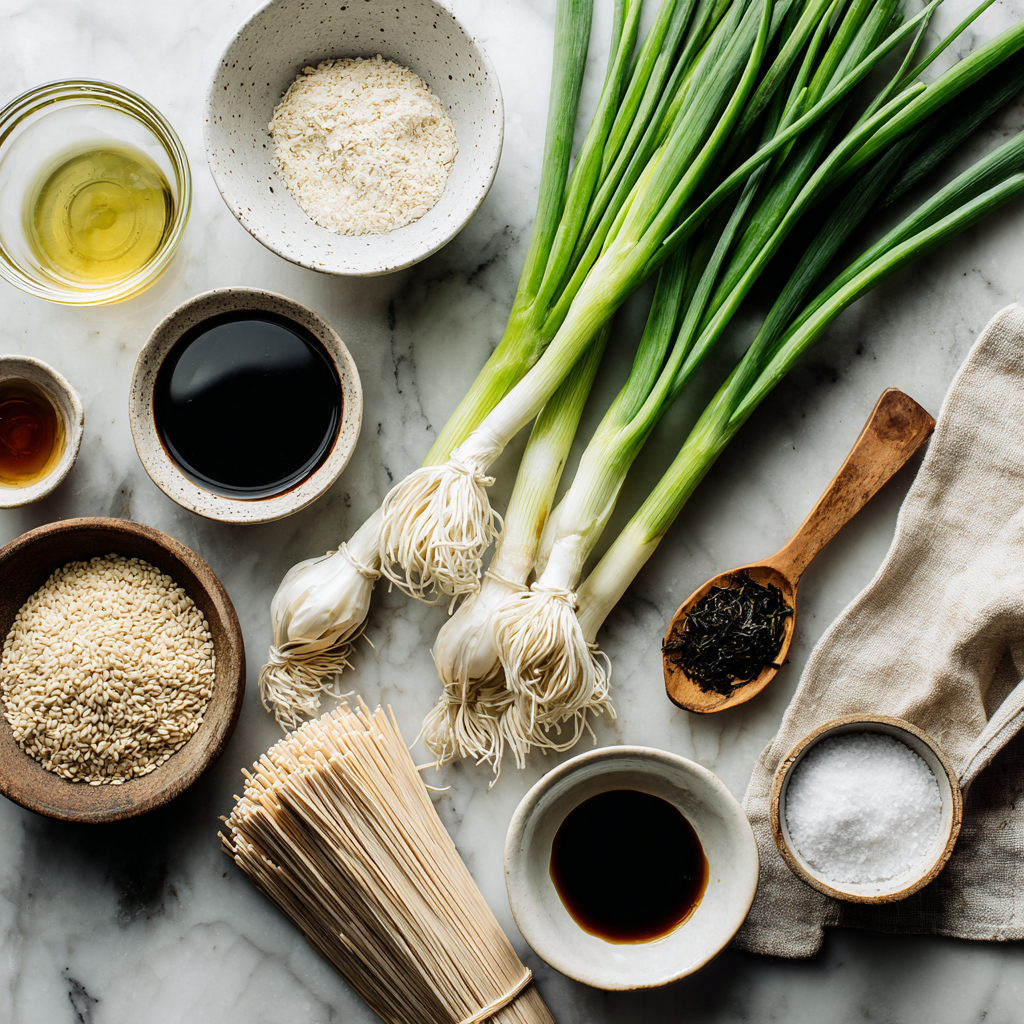
Ingredients List
- The Noodle:
- Thin Wheat Noodles (10 oz): Fresh “Shanghai style” or dried ramen-style wheat noodles.
- The “Liquid Gold” Oil:
- Neutral Oil (½ cup): Grapeseed or Peanut (high smoke point).
- Fresh Scallions (1 large bunch): Separated into whites and greens, cut into 2-inch lengths.
- Star Anise (1 piece): For a subtle, 2026 “gourmet” depth.
- The “Umami” Sauce:
- Light Soy Sauce (3 tbsp): For salt and brightness.
- Dark Soy Sauce (1 tbsp): For the deep, mahogany color.
- Sugar (1 tbsp): To balance the salt and aid caramelization.
Timing: The “Slow-Sizzle” Schedule
- Prep: 10 minutes.
- Oil Infusion: 15–20 minutes.
- Noodle Boil: 3 minutes.
Step-by-Step Instructions
Step 1: The Cold-Start Infusion
Place the oil, star anise, and the whites of the scallions in a small saucepan. Turn the heat to low.
Actionable Advice: Starting cold allows the oil to penetrate the scallion fibers before they “sear” shut, resulting in a much more potent flavor.
Step 2: The “Triple” Progression
- After 5 minutes, add the scallion greens.
- Keep the heat low. The scallions will bubble gently.
- Continue frying for 15 minutes until the scallions turn from bright green to a dark, crispy bronze (not black).
Step 3: The Sauce Bloom
Remove the crispy scallions and star anise from the oil and set aside. Turn the heat to medium. Pour the light soy, dark soy, and sugar into the hot oil.
- The 2026 Pro-Tip: Let it bubble for 30 seconds. This “blooms” the soy sauce, removing the raw bean taste and thickening the sugar into a light syrup.
Step 4: The Al Dente Snap
Boil your noodles in unsalted water (the sauce provides plenty of salt). Cook them for 1 minute less than the package instructions.
Step 5: The “Hot-Toss”
Drain the noodles and immediately toss them into a bowl with 2–3 tablespoons of the hot scallion oil sauce. Top with a generous pile of the crispy fried scallions.
Common Mistakes to Avoid
- High Heat: If the oil is too hot, the scallions will burn and turn bitter before they infuse the oil. Patience is the key ingredient here.
- Overcooking Noodles: Because the noodles are tossed in warm oil, they continue to cook. If you boil them to “soft,” the final dish will be mushy.
- Rinsing the Noodles: Never rinse wheat noodles for this dish. You need that surface starch to help the oil-soy emulsion stick.
3 Modern Pairings for 2026
| Topping | Why it Works |
| Fried Egg (Lace-edge) | The runny yolk acts as a rich, secondary sauce. |
| Dried Shrimp (Xia Mi) | Sauté these in the oil with the scallions for a traditional salty “funk.” |
| Cucumber Ribbons | Provides a cold, watery crunch to reset the palate between rich bites. |
Export to Sheets
Would you like me to show you how to scale this recipe to make a large jar of Scallion Oil that stays fresh in your fridge for up to a month?