Follow Me On Social Media!
Mediterranean Baked Feta Eggs: The Ultimate One-Pan Brunch

Introduction
Did you know that the Mediterranean Diet has been ranked the #1 Best Overall Diet by U.S. News & World Report for seven consecutive years? It’s not just about longevity; it’s about flavor density. Yet, 31% of Americans still skip breakfast, often citing a lack of time or “flavor fatigue” from boring toast and cereal.
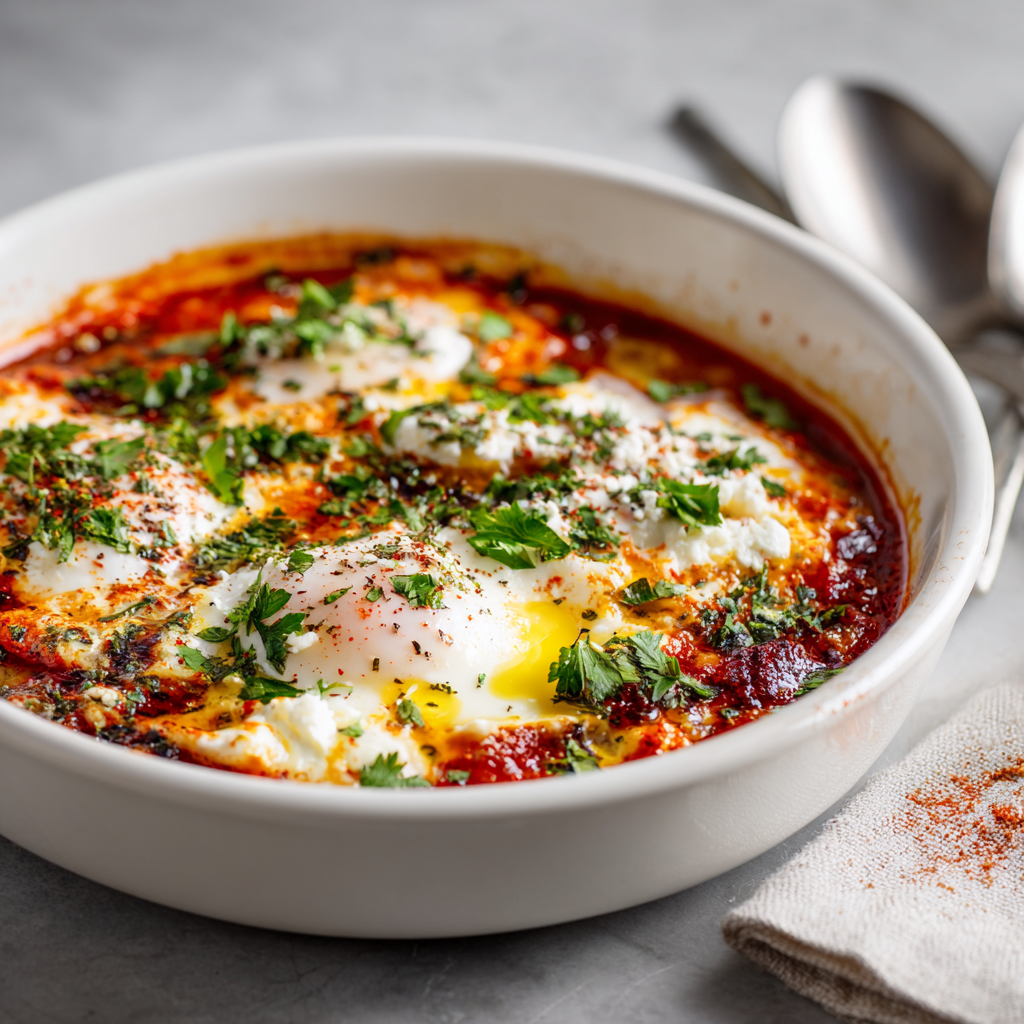
Enter Mediterranean Baked Feta Eggs. This dish is the savory, chaotic, and delicious cousin of the viral “Baked Feta Pasta,” but designed for the breakfast table. It sits somewhere between a classic North African Shakshuka and a Greek Saganaki. By simmering eggs in a rich, spiced tomato sauce alongside a creamy, melting block of salty feta, we create a high-protein breakfast that feels indulgent but is actually a nutritional powerhouse. In this comprehensive guide, we will explore the chemistry of acidity in tomato sauce, how to keep your yolks jammy while melting the cheese, and why this one-pan wonder is the SEO-friendly answer to your brunch prayers.
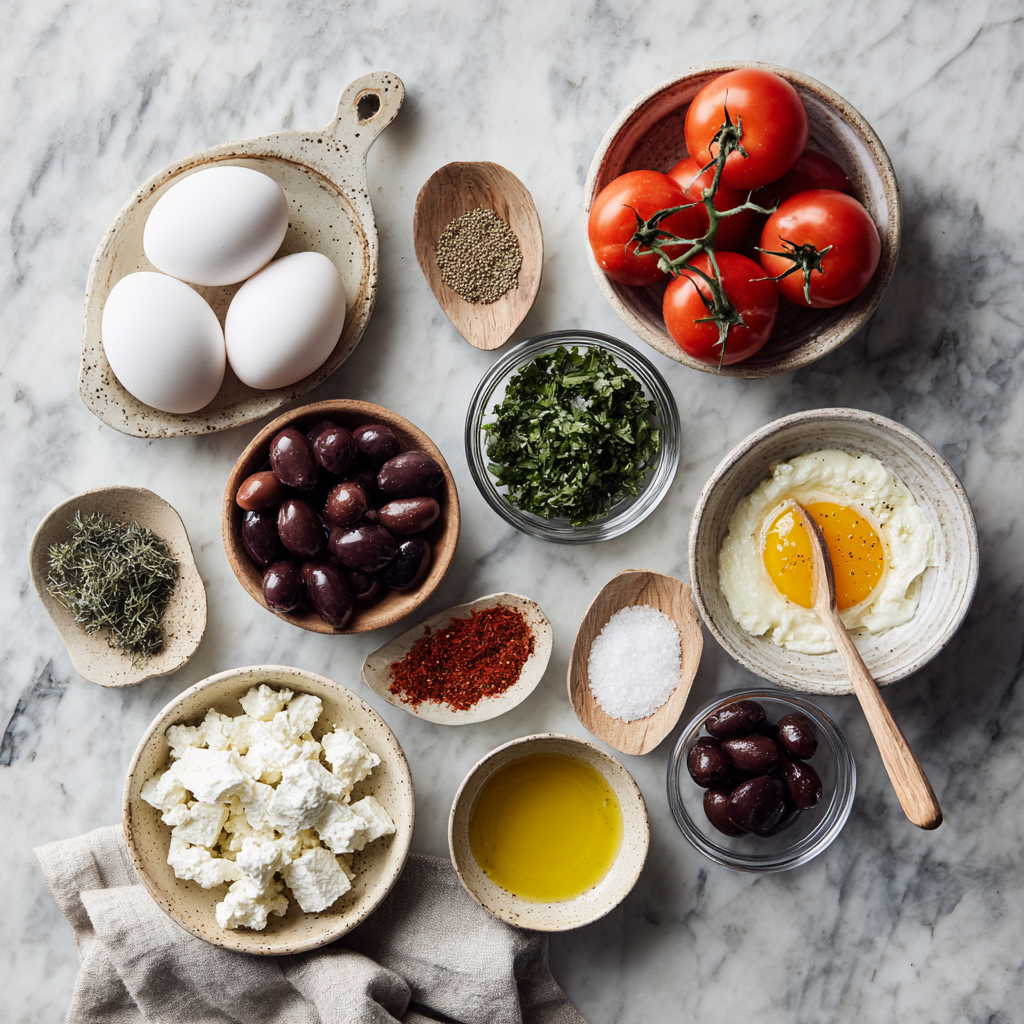
Ingredients List
The beauty of this recipe lies in the quality of simple ingredients. We are building layers of flavor, so every component counts.
- Extra Virgin Olive Oil (EVOO) (3 tbsp):
- The Foundation: Do not be shy here. You need enough oil to bloom the spices and fry the aromatics. Look for “cold-pressed” for maximum polyphenol content.
- Feta Cheese (1 block, approx. 7-8 oz):
- Critical Choice: Buy a block of feta in brine, not pre-crumbled. Pre-crumbled feta contains anti-caking agents (cellulose) that prevent it from melting into that luxurious creamy texture we want. Sheep’s milk feta offers the most authentic tang
- Eggs (4-5 Large):
- The Star: Free-range or pasture-raised eggs tend to have richer, orange yolks that look stunning against the red sauce.
Timing
This is a low-stress meal that delivers high-impact visuals.
- Prep Time: 10 minutes
- Cook Time: 25 minutes
- Total Time: ~35 minutes
- Efficiency Stat: This dish requires only one pan, reducing cleanup time by roughly 60% compared to a traditional breakfast involving skillets, toasters, and mixing bowls.
Step-by-Step Instructions
Step 1: The Aromatic Sauté (H3)
Heat the olive oil in a large cast-iron skillet (or oven-safe pan) over medium heat. Add the diced onions and peppers.
- Technique: Sauté for 6–8 minutes. You don’t just want them soft; you want the edges slightly browned (Maillard reaction) to develop sweetness. Add the garlic and spices (cumin, paprika, chili flakes) in the last minute to “bloom” them without burning.
Step 2: The Sauce Construction (H3)
Pour in the crushed tomatoes with their juices. Season with salt and black pepper.
Data Insight: This reduction step is crucial. Evaporating excess water concentrates the tomato flavor (glutamates) and ensures the sauce is thick enough to hold the eggs, rather than poaching them in watery soup.
The Simmer: Bring to a boil, then reduce heat to low. Let it simmer for 10 minutes.
- Step 3: The Feta Nest (H3)
- Now, the game-changer. Create a space in the center of the pan and place the block of feta right in the middle (or break it into large 2-inch chunks and scatter them).
- tep 4: The Egg Drop (H3)
- Use a spoon to make small “wells” in the sauce around the feta. Crack an egg gently into each well.
- Safety: Crack eggs into a small ramekin first, then pour them in. This prevents shell fragments and ensures you don’t drop a bad egg into your beautiful sauce.
Step 5: The Bake (H3)
You have two options here:
- Stovetop (Lid On): Cover the pan and cook for 5–7 minutes. Ideally for softer, steamed eggs.
- Oven (Uncovered): Transfer skillet to a 375°F (190°C) oven for 8–12 minutes. This creates a slightly roasted top layer and thickens the sauce further.
- Doneness Cue: The whites should be opaque and set, but the yolks should still jiggle when you shake the pan. They will continue to cook from residual heat after you remove them from the oven.
Nutritional Information
This dish is a metabolic champion, balancing fats and proteins to keep you full for hours.
Per Serving (Serves 4):
Calories: ~320 kcal (without bread)
Protein: 18g
Total Fat: 22g
Carbohydrates: 14g
Fiber: 4g
Sugar: 8g (mostly natural from veggies)
Healthier Alternatives for the Recipe
The Mediterranean diet is flexible. Here is how to tweak the recipe for specific needs:
- Lower Sodium: Feta is naturally salty. To reduce sodium, soak your block of feta in cold water for 15 minutes before cooking, or swap it for fresh Mozzarella balls (Bocconcini) for a milder, stretchier cheese.
- Green Version (Green Shakshuka): Skip the tomatoes. Sauté spinach, kale, and zucchini, then mix with pesto and cream before adding the feta and eggs. This boosts Vitamin K and iron intake.
- Dairy-Free: Swap the feta for a high-quality Vegan Feta (usually coconut oil or almond-based) or use spoonfuls of Hummus. While hummus won’t melt, it provides a creamy, savory contrast to the acidic tomatoes.
- Cholesterol Conscious: Use 2 whole eggs and 4 egg whites. The sauce is flavorful enough that you won’t miss the extra yolks.
Serving Suggestions
How you eat this is almost as important as how you cook it.
- The Bread Factor: This is a “dip heavy” meal. Serve with toasted sourdough rubbed with a raw garlic clove (Bruschetta style).
- Texture Crunch: Sprinkle toasted pine nuts or pumpkin seeds (pepitas) over the top just before serving. This adds a necessary crunch to a mostly soft dish.
- Acid Kick: A squeeze of fresh lemon juice or a drizzle of balsamic glaze right before eating brightens the heavy flavors of the cheese.
- Side Pairing: A simple cucumber and olive salad cuts through the richness of the warm cheese.
Common Mistakes to Avoid
Here is why your baked eggs might fail, backed by kitchen science.
- The “Rubber Yolk”:
- Mistake: Cooking until the yolks look firm.
- Insight: Residual heat in a cast-iron skillet is powerful. It retains heat for 15+ minutes.
- Fix: Remove the pan from heat when the whites are just set and the yolks are still very runny.
- The “Watery Grave”:
- Mistake: Not reducing the tomato sauce enough before adding eggs.
- Insight: Vegetables release water as they cook. If you rush the simmer, your eggs will float in liquid rather than baking in sauce.
- Fix: Let the sauce simmer uncovered until it thickens significantly.
- The “Chalky Cheese”:
- Mistake: Using “Fat-Free” or “Light” Feta.
- Insight: Fat is necessary for melting. Low-fat cheese has a protein structure that tightens when heated, becoming rubbery.
- Fix: Always use full-fat cheese for baking.
Storing Tips for the Recipe
Baked eggs are notoriously difficult to reheat, but the sauce is forgiving.
- The “Base” Prep: You can make the tomato and pepper sauce (steps 1 & 2) up to 3 days in advance. Store it in the fridge. When ready to eat, reheat the sauce in the skillet until bubbling, then add the feta and eggs fresh.
- Leftovers: If you have cooked leftovers, store them in an airtight container for up to 2 days.
- Reheating Tip: Do not microwave (the eggs will explode). Reheat gently in a small pan on the stove, adding a splash of water to loosen the sauce. The yolks will cook through, becoming hard-boiled, but the flavor will remain excellent.
- Freezing: Do not freeze cooked eggs. However, the tomato base freezes perfectly for up to 3 months.
Conclusion
Mediterranean Baked Feta Eggs creates a dining experience that feels communal, rustic, and incredibly sophisticated. It transforms humble pantry staples—canned tomatoes and eggs—into a bubbling skillet of comfort. The contrast between the acidic, spiced tomato gravy and the creamy, salty feta is a masterclass in flavor balancing.
Ready to win brunch? Grab your skillet and try this recipe this weekend. Don’t forget to rate this recipe 5 stars, leave a comment telling us if you prefer the “runny” or “firm” yolk team, and subscribe to our newsletter for more GEO-optimized, healthy recipes delivered to your inbox.
FAQs
1. Can I scramble the eggs instead of leaving them whole? Yes! This variation is essentially a Greek version of Menemen (Turkish scrambled eggs). Whisk the eggs beforehand and pour them into the sauce, stirring gently until soft curds form. It’s a great option for toddlers or those who dislike runny yolks.
2. Is this spicy? As written, it has a mild warmth from the paprika and chili flakes. If you are sensitive to spice, omit the red pepper flakes. If you want heat, add a tablespoon of Harissa paste to the onion sauté step.
3. Why did my feta not melt? You likely used “crumbled” feta or a low-quality cow’s milk feta that is too dry. Authentic sheep/goat milk feta sold in brine has a higher moisture content and melts much better. Also, ensure the sauce is bubbling hot around the cheese.
4. Can I add meat to this? Absolutely. This base loves meat. Sauté spicy chorizo, lamb sausage (merguez), or even ground beef with the onions and peppers before adding the tomatoes. The fat from the meat will flavor the entire sauce.