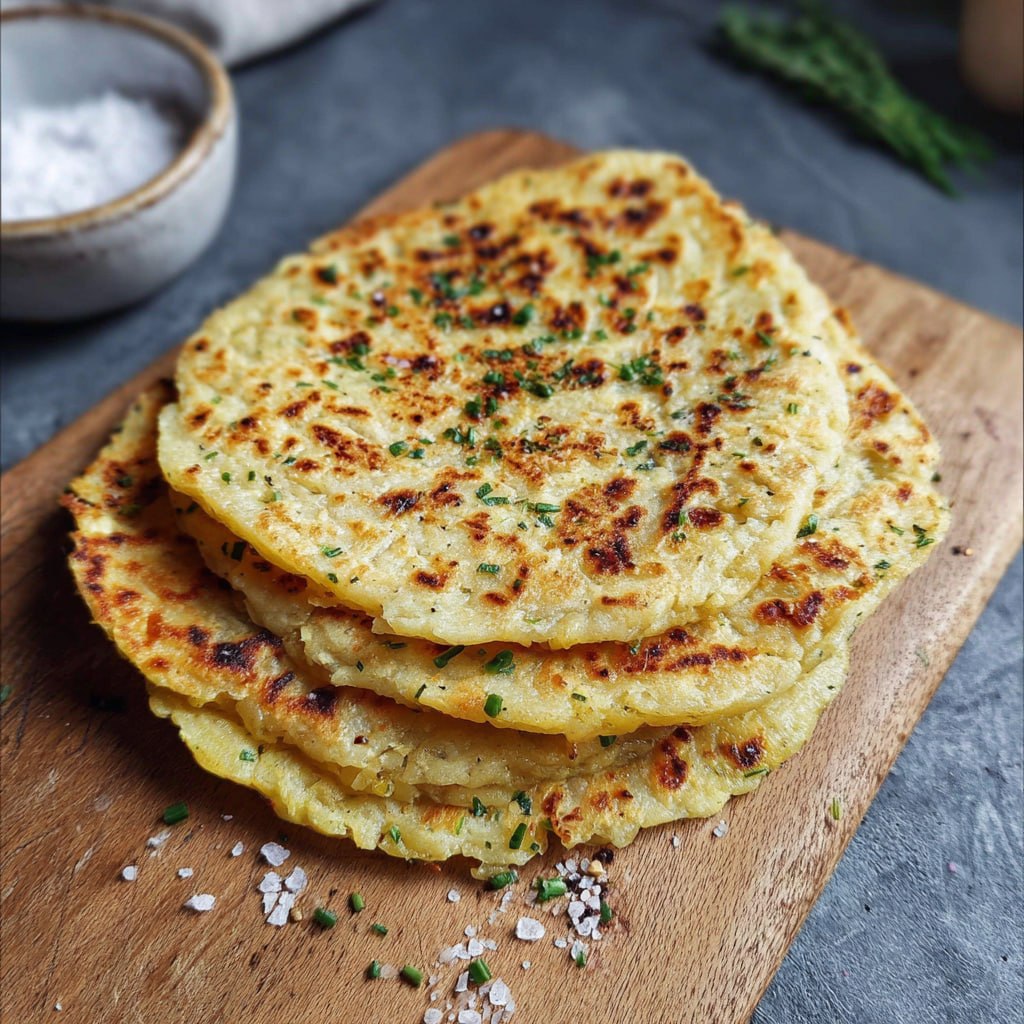
How to Make Gluten-Free Potato Flatbread
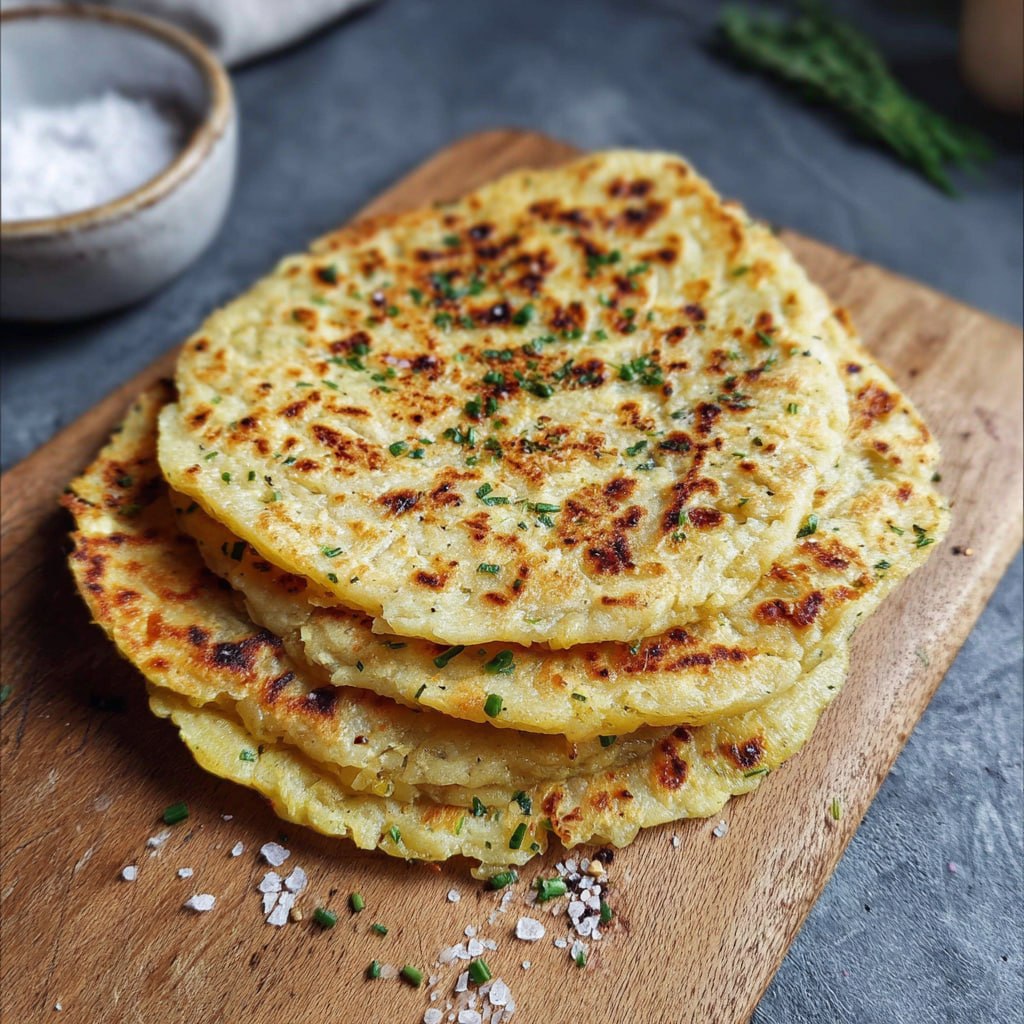
How to Make Gluten-Free Potato Flatbread
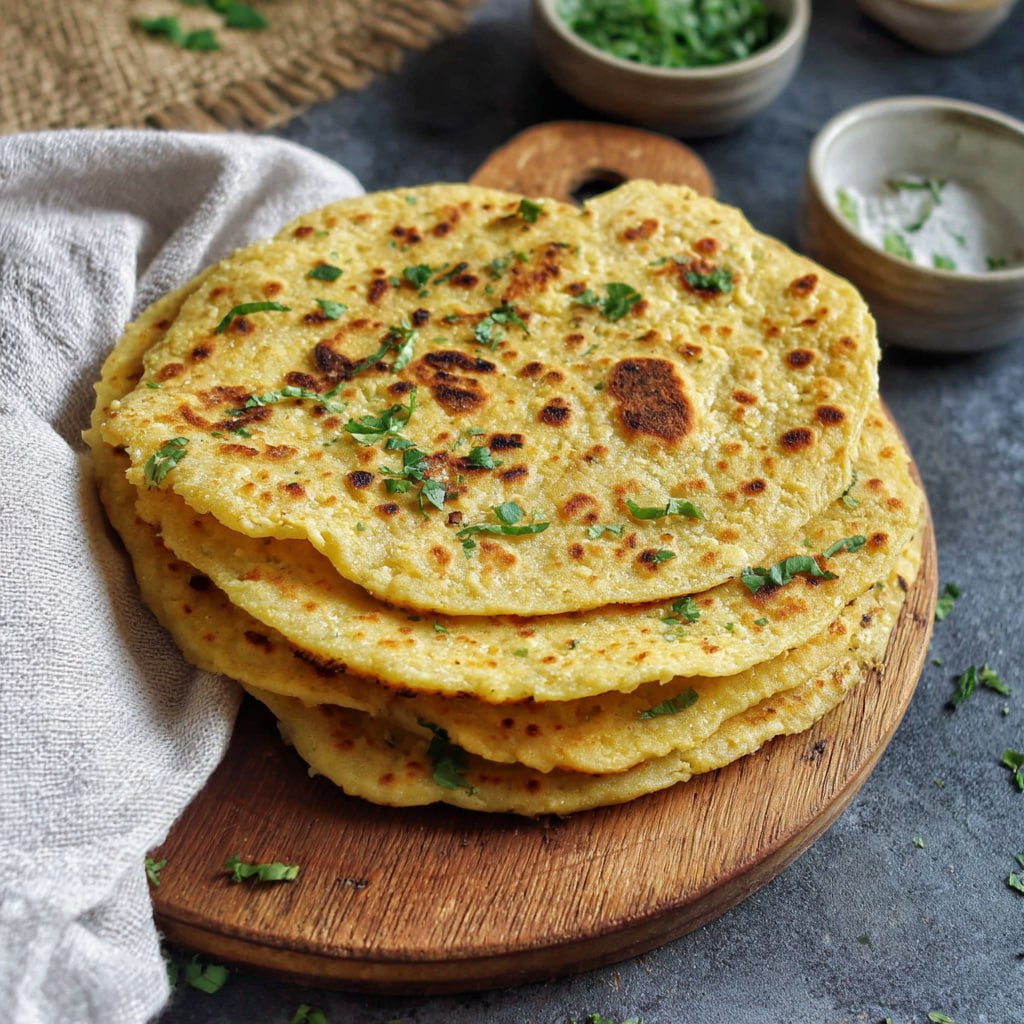
Learning how to make gluten-free potato flatbread is one of the most useful kitchen skills you can have. This recipe transforms simple mashed potatoes and gluten-free flour into soft, flexible flatbreads that cook up on the stovetop in just minutes.
Follow my step-by-step guide and you’ll have perfect flatbreads every single time — no experience needed, no special equipment required.
Ingredients List
- 2 cups mashed potatoes, cooled completely
- 1 cup gluten-free flour blend
- 1/2 tsp sea salt
- 1/2 tsp garlic powder or onion powder
- 1 tbsp olive oil
- 2–3 tbsp water, added gradually
Step-by-Step Instructions
- Make sure your mashed potatoes are completely cooled before starting — warm potatoes make sticky, unworkable dough.
- In a large mixing bowl, combine the cold mashed potatoes, gluten-free flour, salt, and garlic powder.
- Mix everything together with your hands until a soft dough forms. Add the olive oil and knead for 1–2 minutes.
- If the dough is too sticky, add flour a tablespoon at a time. If too crumbly, add water a tablespoon at a time.
- Divide the dough into 6–8 equal-sized balls.
- On a lightly floured surface, use a rolling pin to roll each ball into a thin circle — about 6 to 7 inches across.
- Heat a large skillet or griddle over medium-high heat. Let it get really hot before adding the flatbread.
- Place one flatbread in the dry skillet. Cook for 2–3 minutes until you see golden-brown spots on the bottom.
- Flip and cook the other side for another 2–3 minutes.
- Immediately transfer to a plate and cover with a clean kitchen towel. Repeat with remaining dough.
Watch For These Common Mistakes
- Using warm mashed potatoes — always cool them completely first.
- Adding too much flour — only add enough to prevent sticking.
- Not preheating the pan — a cold pan leads to pale, doughy flatbreads.
- Skipping the towel wrap — this is what keeps them soft after cooking.
- Rolling too thick — aim for 1/8 inch for the best texture.
Flavor Variations
Once you master the basic recipe, try these fun variations: herb & garlic (add rosemary, thyme, and extra garlic), spicy version (add cayenne and paprika), cheesy potato flatbread (mix in nutritional yeast or shredded cheese), or herb & onion (caramelized onions and fresh chives in the dough).
[wprm-recipe id=”potato-flatbread-gf”]
Frequently Asked Questions
Do I need a special pan for this recipe?
A non-stick skillet or cast iron pan works best. The key is making sure the pan is fully preheated before you add the flatbread.
Can I make the dough ahead of time?
Yes! Wrap the uncooked dough tightly in plastic wrap and refrigerate for up to 24 hours. Let it come to room temperature for 15 minutes before rolling and cooking.
How do I reheat leftover flatbreads?
The best way is in a warm, dry skillet for about 30–60 seconds per side. You can also microwave them wrapped in a damp paper towel for about 20 seconds.
Can I use instant mashed potatoes?
You can in a pinch, but fresh mashed potatoes give far better flavor and texture. If using instant, prepare them thick and let cool completely.
What do I serve with potato flatbread?
The possibilities are endless: hummus, guacamole, tzatziki, grilled meats, roasted vegetables, soups, stews — or simply with butter and a pinch of salt.