Introduction
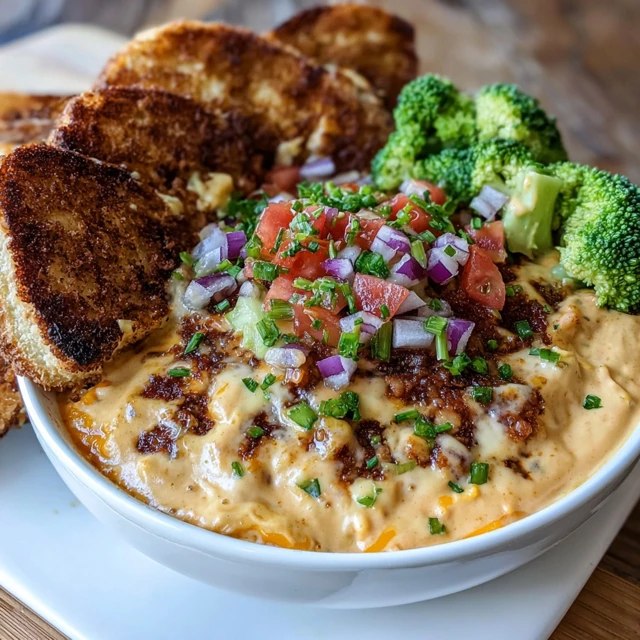
Have you ever made a cashew cheese sauce and ended up with something grainy, bland, or just not quite right? You’re not alone — and today we’re fixing that permanently. In this tutorial, I’m walking you through how to make nacho cashew cheese sauce the right way, explaining every step and every “why” so you can replicate it confidently any time.
Cashew cheese sauce is extraordinary when made correctly — silky smooth, rich with savory depth, convincingly cheesy despite zero dairy. But there’s a right way and a wrong way, and the difference comes down to specific techniques most recipes never explain. By the end, you’ll understand not just the steps but why each one exists.
Ingredients List
Understanding what each ingredient does helps you adjust intelligently:
- 1½ cups raw cashews — base; raw gives cleanest, most neutral flavor for cheese mimicry
- ¾ cup water — hydration; warm water blends smoother than cold
- 3 tbsp nutritional yeast — THE cheese flavor — savory, umami, slightly tangy; non-negotiable
- 2 tbsp fresh lemon juice — mimics the tang of real cheese; brightens all flavors
- 1 tsp garlic powder — depth; powder distributes more evenly than fresh in blended sauces
- 1 tsp onion powder — rounds out the savory profile without overpowering
- 1 tsp chili powder — essential for the “nacho” flavor identity
- ½ tsp smoked paprika — smokiness that mimics aged cheese character
- ½ tsp cumin — earthy warmth that grounds all other spices
- ½ tsp turmeric — purely for color — gives the golden-yellow cheese appearance
- 1 tsp salt — cashew sauce needs more salt than you expect; don’t under-salt
Timing
- Soak Time: 2–4 hours (non-negotiable for best results)
- Active Prep: 10 minutes | Blend Time: 3–5 minutes
- Yield: ~2 cups
Plan the soaking ahead — everything else takes 15 minutes. Put cashews in water before cooking dinner; sauce is ready when you’re setting the table.
Step 1 — Why We Soak (The Science)
Soaking cashews isn’t just about softening — it transforms their cellular structure. Raw cashews contain natural starches that, when dry, create gritty texture when blended. Soaking hydrates these starches and breaks them down, allowing cashew flesh to blend into genuinely smooth cream. Additionally, soaking reduces phytic acid (an antinutrient) and makes minerals more bioavailable.
Method: Cover cashews with cold water by at least 2 inches. Soak 2+ hours at room temperature, or overnight in the fridge. Quick version: boiling water for 15 minutes — works but won’t be quite as silky. After soaking, drain completely and rinse under cold water.
Key insight: Cold cashews from the fridge blend less smoothly than room-temperature ones. After rinsing, let sit 5 minutes before blending.
Step 2 — The Two-Stage Blending Method
Most recipes say “blend everything together.” Here’s why that’s less effective: blending cashews without seasonings first gives you the chance to verify base texture before adding everything else. If the base is grainy, keep blending until smooth. Once seasonings are added, it’s harder to tell if remaining texture is from under-blended cashews or coarser spice particles.
Stage 1: Blend cashews + water on high 60 full seconds. Stop. Check: run sauce between your fingers — should feel completely smooth with zero graininess. Blend another 30 seconds if any texture remains. Only when Stage 1 is perfect, proceed.
Step 3 — Seasoning Order and Why It Matters
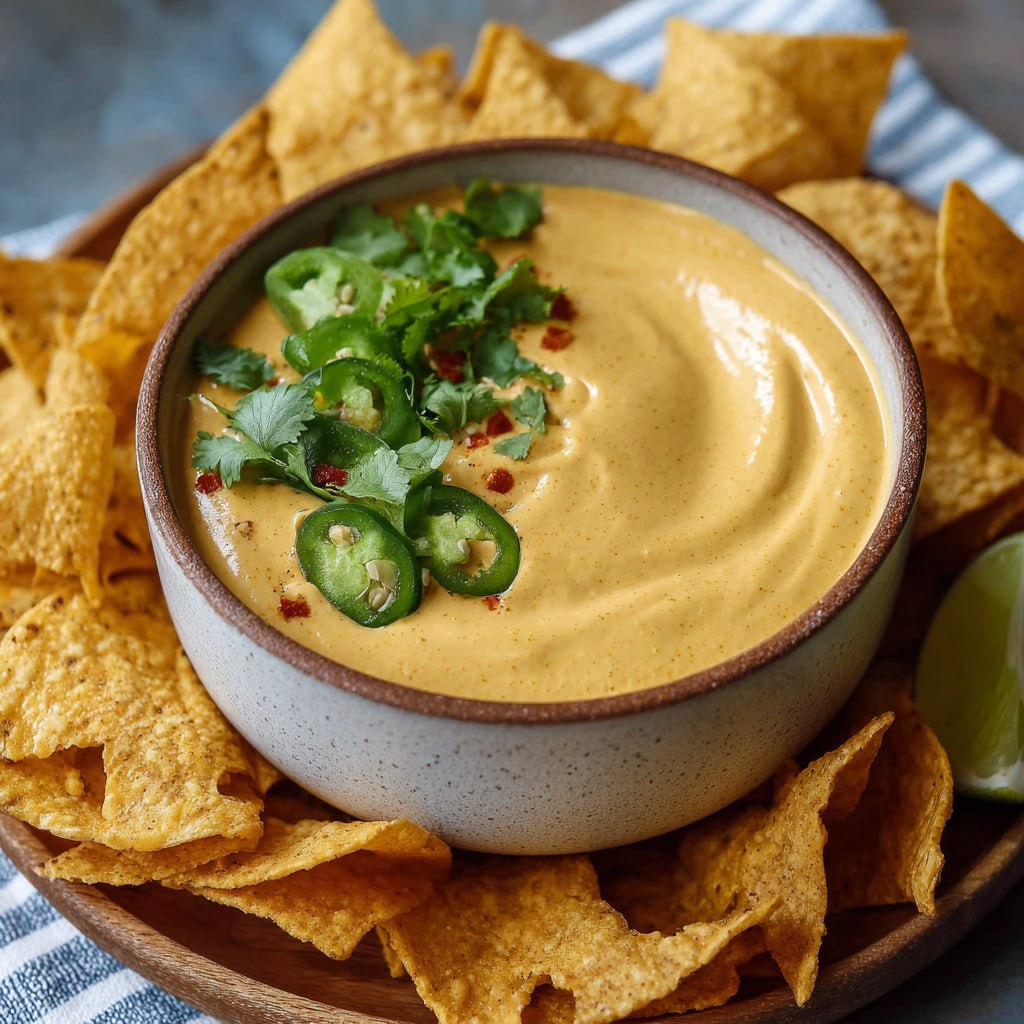
Add seasonings in this order: liquid first (lemon juice), then powders (nutritional yeast, spices), then salt last. This sequence helps each ingredient incorporate fully. Blend on high 90 seconds. The sauce should turn vibrant, uniform golden-yellow.
Most important tasting moment: taste now, before heating. Evaluate: saltiness (slightly over-salted cold = right, as heat reduces perceived saltiness), tanginess (lemon should be noticeable), cheesiness (nutritional yeast should be prominent). Adjust all three before serving.
Step 4 — Consistency Control Technique
Cashew sauce should coat a spoon and pour smoothly — not watery, not paste-thick. Too thick: add water 1 tbsp at a time. Too thin: cannot thicken easily without more cashews. Start with less water, add gradually — never the reverse. Remember: sauce thickens when heated AND when refrigerated (both normal).
Step 5 — The Low-Heat Warming Rule
Cold cashew sauce is good. Warm is exceptional. Heat amplifies every flavor and creates authentic queso experience. Critical rule: always heat on LOW with constant stirring and a small amount of added water (2–3 tbsp per cup of sauce). Cashew proteins can separate at high heat, turning sauce grainy. Low and slow preserves the silky texture perfectly.
Nutritional Information
- Calories: 155 kcal | Fat: 11g | Carbs: 10g | Protein: 5g
- B12: 30% DV | Magnesium: 12% DV | 0mg cholesterol
Healthier Alternatives for the Recipe
- Cauliflower + cashew blend: replace half cashews with steamed cauliflower for fewer calories.
- Sunflower seed version: soak overnight — nut-free, similar texture.
- Silken tofu addition: ¼ cup blended in for extra protein without changing flavor.
Serving Suggestions
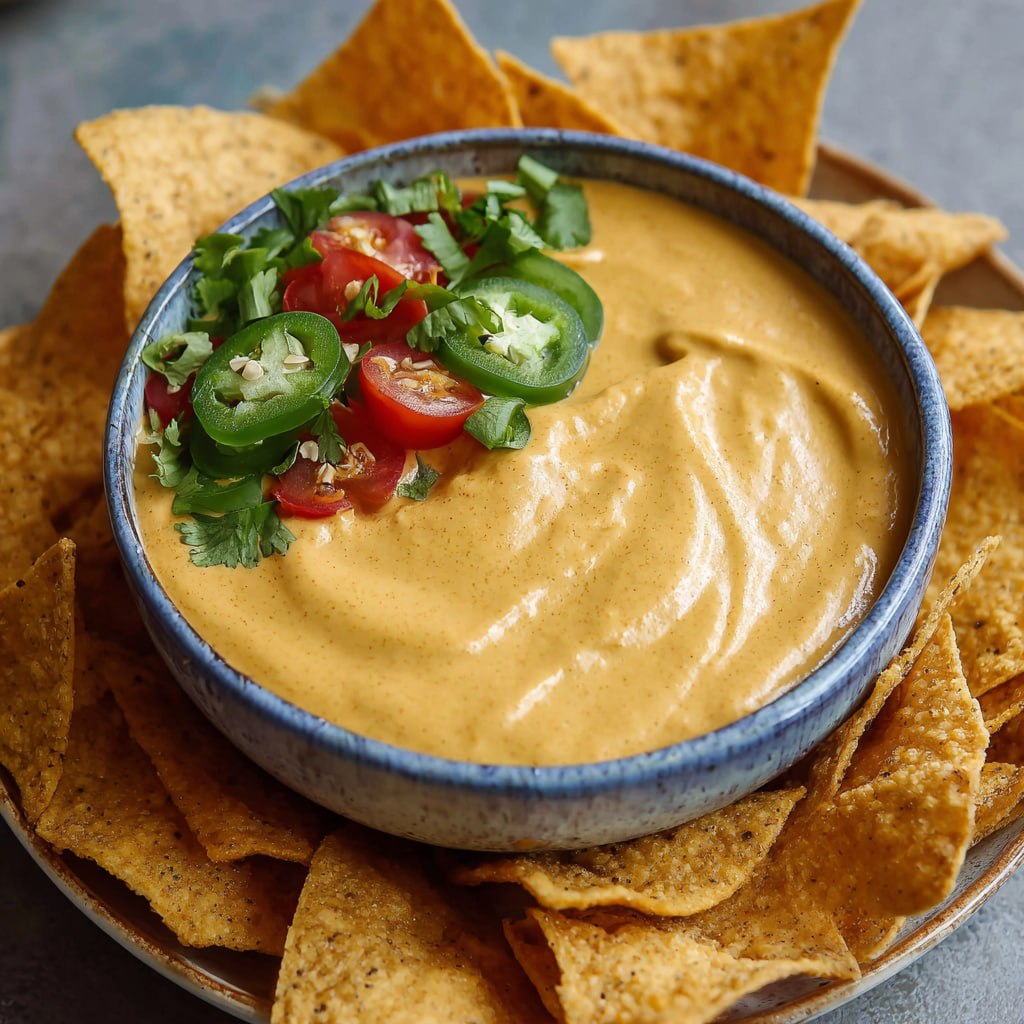
- Classic: warm over loaded nachos with all the toppings.
- Pasta: toss with hot pasta and pasta water for vegan mac and cheese.
- Dip: serve at room temp with raw vegetable platter.
- Bowl: drizzle warm over grain bowls, stuffed potatoes, or roasted veggies.
Common Mistakes to Avoid
- Skipping full soak → grainy sauce that never smooths out
- Omitting nutritional yeast → cashew cream, not cheese sauce
- Too much water too fast → sauce too thin to fix
- High heat when warming → separated, grainy texture
- Not tasting before serving → consistently under-seasoned results
Storing Tips for the Recipe
- Fridge: 5 days airtight. Add water + stir when reheating.
- Freezer: Ice cube trays, 3 months. Thaw overnight.
- Best flavor: Day 2 — flavors deepen overnight in the fridge.
Conclusion
Now you know not just how to make nacho cashew cheese sauce — you understand the why behind every step. Two-stage blending, soaking science, seasoning order, low-heat warming. Apply these techniques and you’ll nail it every time with zero guesswork.
Try it and share your results below! Subscribe for weekly cooking tutorials that build real skills one technique at a time.
FAQs
My sauce is grainy even after blending — what went wrong?
Almost certainly insufficient soaking. Try heating the grainy sauce with extra water on very low heat while stirring — sometimes smooths it out. For next time: full 2–4 hour soak, blend Stage 1 until completely smooth before adding anything.
Can I make this in a food processor?
Yes, but less smooth than a blender. Soak full 4 hours, process in long bursts (60 seconds on, stop, scrape, repeat) for 4–5 minutes total.
Why doesn’t mine taste cheesy enough?
Three causes: not enough nutritional yeast (increase to 4–5 tbsp), not enough salt, or not enough acid. The combination of all three creates the cheese illusion — any one being low weakens the effect.
Is this oil-free?
Yes — already oil-free. Cashews provide all fat and richness with no added oil needed.
How do I scale for a large batch?
Doubles and triples perfectly using the same ratios. Blend in stages if your blender capacity is limited.
Nacho Cashew Cheese Sauce
Silky, golden, dairy-free nacho cheese sauce — ready in 15 minutes.
⏱ Active: 15 min | 💧 Soak: 2–4 hrs | 🍽 Yield: ~2 cups (8 servings) | 📊 ~155 cal/serving
Ingredients
- 1½ cups raw cashews, soaked 2–4 hrs and drained
- ¾ cup water
- 3 tbsp nutritional yeast
- 2 tbsp fresh lemon juice
- 1 tsp each: garlic powder, onion powder, chili powder
- ½ tsp each: smoked paprika, cumin, turmeric
- 1 tsp salt
Instructions
- Soak raw cashews in cold water 2–4 hours. Drain and rinse well.
- Blend cashews + water on high 60 seconds until completely smooth (Stage 1).
- Add nutritional yeast, lemon juice, and all spices. Blend 90 seconds until golden and uniform.
- Taste and adjust salt, acid, heat to preference.
- Thin with water 1 tbsp at a time to desired consistency.
- Heat on low with constant stirring 3–4 minutes. Serve warm.
Rate this recipe and share your creation!