Introduction
Learning how to make homemade mayonnaise is one of those kitchen skills that will make you feel like you have leveled up as a cook. It sounds intimidating — an emulsion, a technique, raw eggs — but in practice it takes five minutes and produces results that genuinely shock people when they taste the difference. This step-by-step tutorial will walk you through everything, from the science behind why it works to the exact hand movements that guarantee success every single time.
Once you master the base recipe, you will also learn how to flavor it, store it safely, troubleshoot broken mayo, and turn it into six different sauces. This is your complete mayo guide.
Understanding the Science (Quick Version)
Mayonnaise is an oil-in-water emulsion. Oil and water do not mix on their own, but egg yolk contains lecithin — a natural emulsifier that surrounds tiny oil droplets and keeps them suspended in the water-based egg. The result is a thick, stable, creamy sauce. Knowing this helps you troubleshoot: if it breaks, more emulsifier fixes it. If it is too thin, more oil is needed. Simple.
Equipment
- Immersion blender (strongly recommended for beginners)
- Tall, narrow jar or the cup that comes with your blender
- Measuring spoons and cups
Step-by-Step Instructions
Step 1: Gather everything. Have all ingredients measured and ready before you start. Room-temperature egg is essential — remove it from the fridge 30 minutes early.
Step 2: Layer in the jar. Place the egg at the very bottom of your tall jar. Add the lemon juice, mustard, and salt directly on top of the egg. Do not stir, mix, or disturb anything.
Step 3: Add the oil. Pour the entire cup of oil gently over the egg and other ingredients. You should now have the egg at the bottom, seasonings in the middle, and oil on top. Still do not mix.
Step 4: Position the blender. Lower your immersion blender all the way to the bottom of the jar. Press it gently against the bottom so the blade head is right on top of the egg yolk. This positioning is everything.
Step 5: Blend without moving. Turn the blender on to full power and hold it completely still for a full 10 seconds. You will see a white, creamy mayo form starting at the bottom and slowly expanding upward. Resist the urge to move the blender — let it work.
Step 6: Draw upward slowly. After 10 seconds, start lifting the blender very slowly — over the course of about 5–8 seconds — pulling the remaining oil above into the emulsion. By the time the blender reaches the top, all the oil should be incorporated.
Step 7: Taste and adjust. Taste your mayo. Too bland? Add a pinch more salt. Too flat? Add a few more drops of lemon juice. Too thick? A tiny splash of warm water, blended in, will thin it slightly.
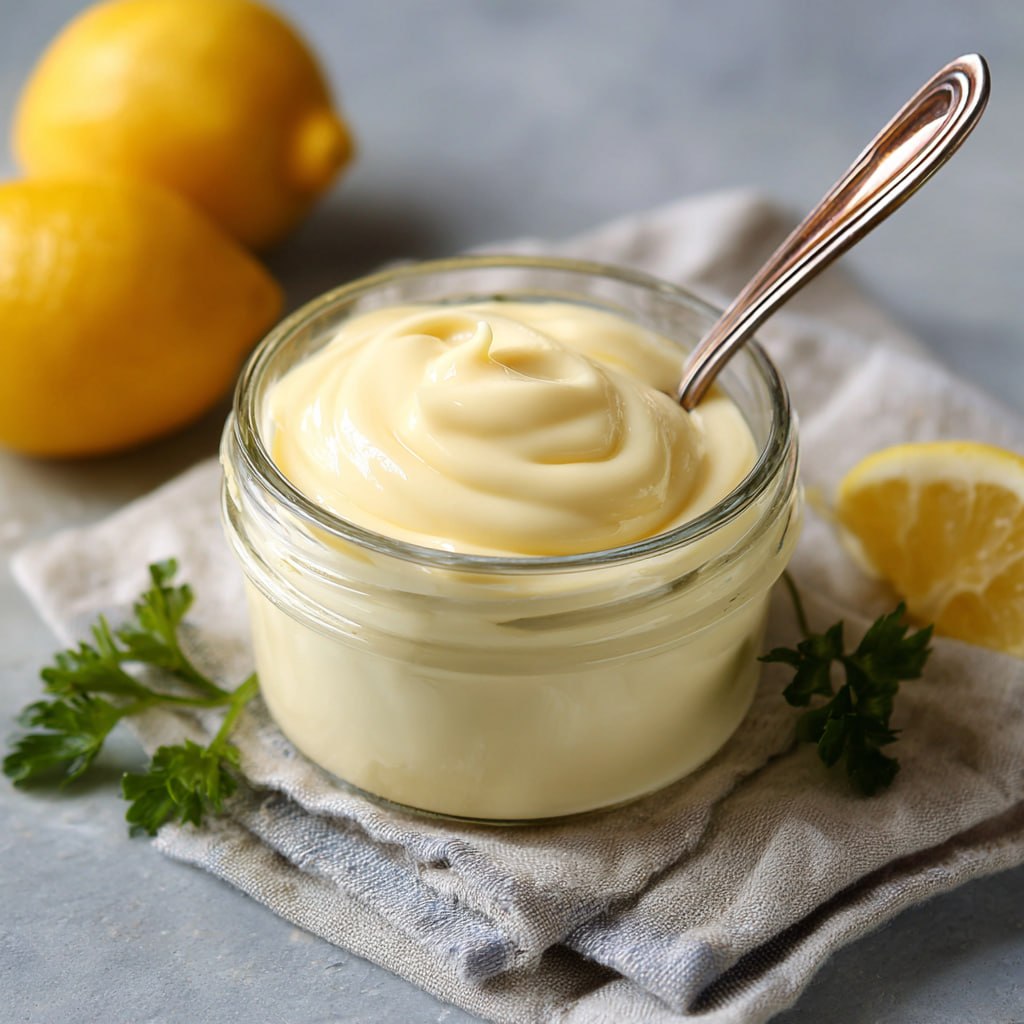
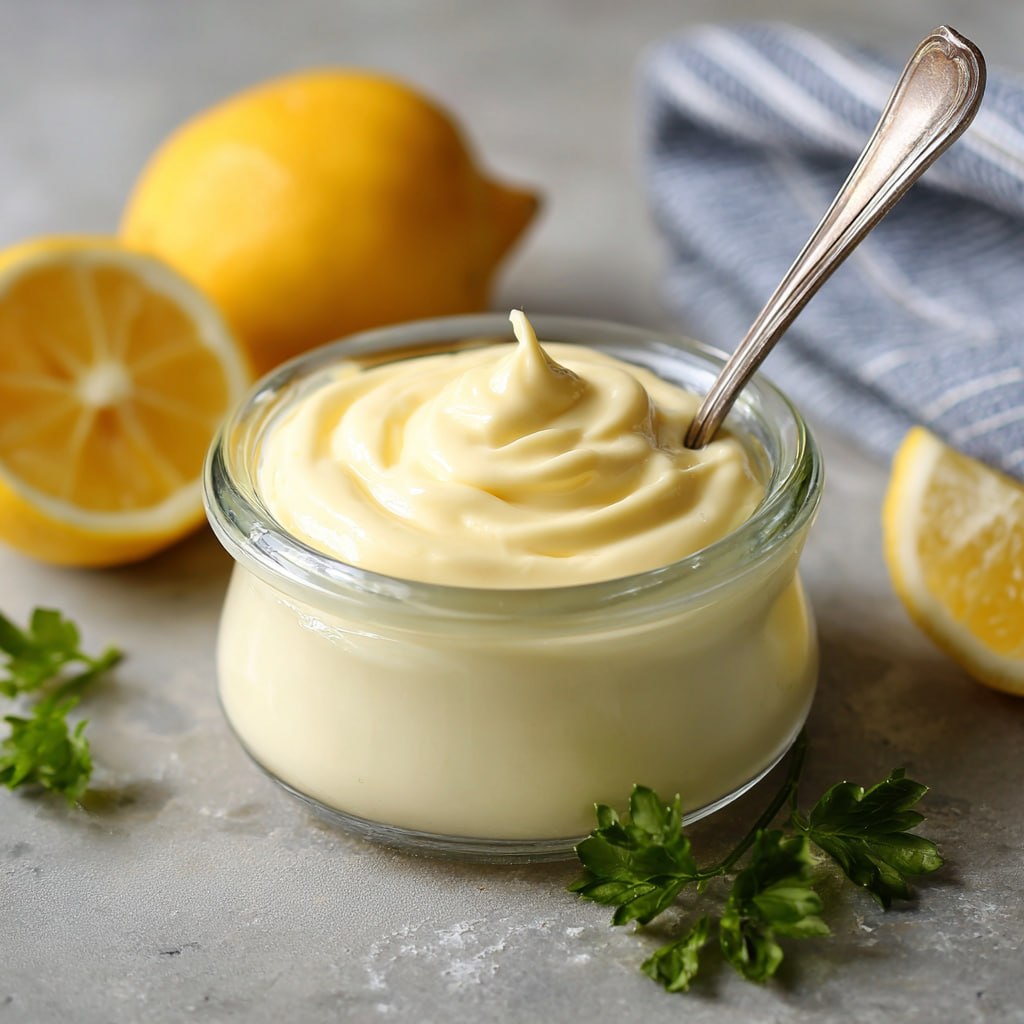
Step 8: Transfer and store. Spoon into a clean jar, seal, and refrigerate. It will keep for up to 7 days.
Flavor Variations
- Garlic aioli: Blend 2 cloves raw or roasted garlic with the egg before adding oil
- Chipotle mayo: Blend 1–2 chipotle peppers in adobo with the egg
- Lemon herb: Stir in lemon zest, fresh dill, and chives after blending
- Sriracha mayo: Mix in 1–2 teaspoons sriracha after blending
- Smoked paprika: Stir in 1 teaspoon smoked paprika for a golden, smoky spread
Troubleshooting
Mayo is broken (watery/curdled): Start fresh — one new egg yolk in a clean container. Slowly blend your broken mayo into it as you would add oil. It will re-emulsify completely.
Mayo is too thin: You may have lifted the blender too fast. Next time, stay at the bottom longer before moving upward. You can try blending in a little more egg yolk to thicken a thin batch.
Mayo is bitter: You used extra-virgin olive oil. Switch to avocado, light olive, or sunflower oil.
Storage and Safety
Refrigerate in a sealed jar for up to 7 days. Always use a clean spoon to prevent contamination. Do not freeze — mayo breaks when frozen. If serving to pregnant women, young children, or immunocompromised individuals, use pasteurized eggs.
Frequently Asked Questions
Do I need an immersion blender? No — a regular blender or hand whisk works too. The immersion blender cup method is just the easiest and least messy. See the traditional whisk method in the tips section if you prefer it.
Can I use a food processor? Yes. Run the processor with the egg, lemon, mustard, and salt first, then drizzle oil in through the feed tube while the machine runs. Works very well.
What is the best oil? Avocado oil for the healthiest mayo, light olive oil for Mediterranean flavor, sunflower for neutral and affordable. Avoid extra-virgin olive oil (bitter) and canola (slight fishiness when emulsified).
Can I make vegan mayo? Yes! Replace the egg with 3 tablespoons of aquafaba (the liquid from a can of chickpeas) and follow the same method. It emulsifies similarly and makes a convincingly creamy vegan mayo.
How do I know it has gone bad? Off mayo smells sour or rancid and may show visible separation or discoloration. When in doubt, discard it.
Recipe Card
Easy Homemade Mayonnaise
Prep: 5 min | Total: 5 min | Yield: ~1 cup (16 servings)
Ingredients
- 1 large egg, room temperature
- 1 cup neutral oil (avocado, light olive, or sunflower)
- 1 tbsp fresh lemon juice
- 1 tsp Dijon mustard
- ½ tsp fine sea salt
Instructions
- Place egg in the bottom of a tall jar.
- Add lemon juice, mustard, and salt on top without mixing.
- Pour oil gently over everything.
- Insert immersion blender all the way to the bottom.
- Blend at full speed for 10 seconds without moving.
- Slowly lift blender upward to incorporate remaining oil.
- Season to taste and refrigerate.
Notes: Room-temperature egg is essential. Store up to 7 days refrigerated. If mayo breaks, re-emulsify by blending into a fresh egg yolk.