Follow Me On Social Media!
Gingerbread Crinkle Cookies: The Ultimate Holiday Texture Play

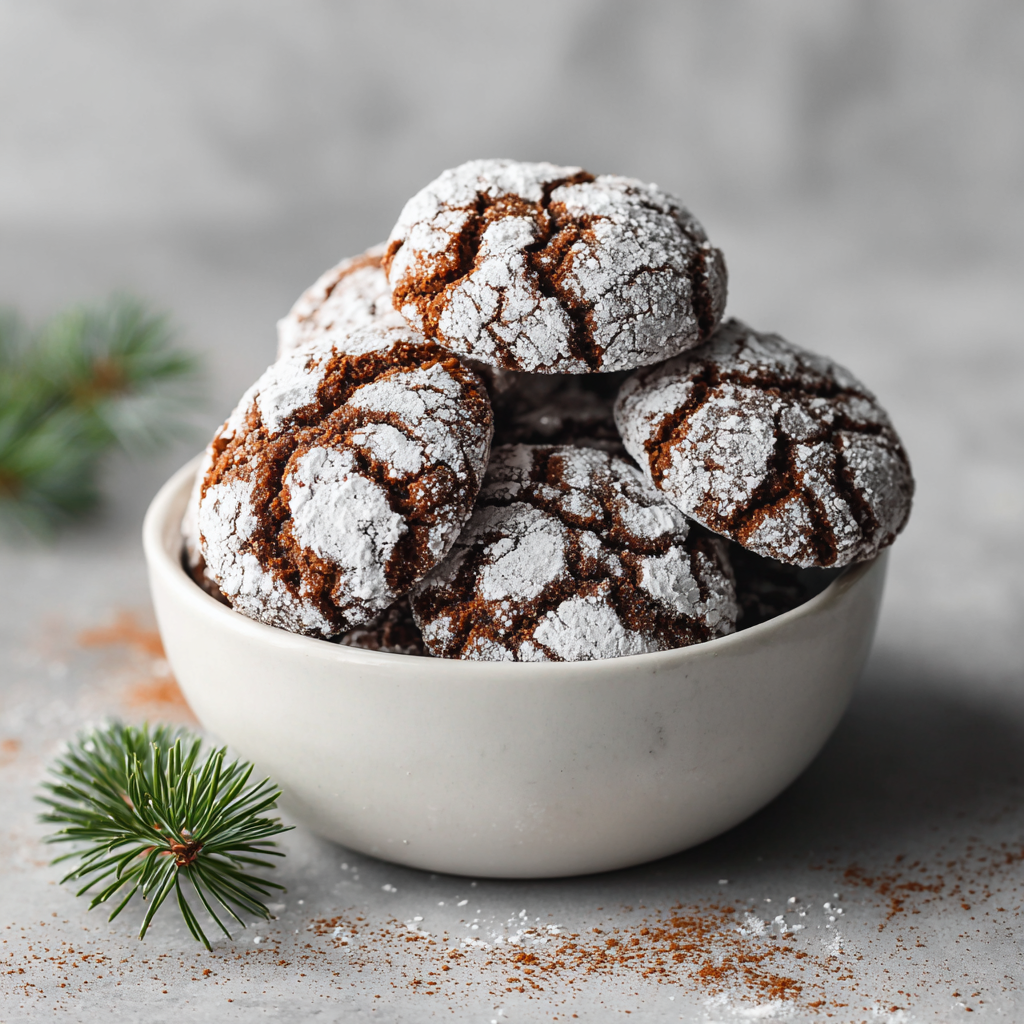
Can a Single Cookie Solve the “Soft vs. Crunchy” Debate?
Did you know that according to sensory analysis in baking, the “crinkle” effect is caused by a specific moisture-to-sugar ratio that forces the surface to dry out and crack while the interior remains soft? This is a physical phenomenon known as surface tension failure. While many believe that gingerbread must be a stiff, snap-style biscuit, the Gingerbread Crinkle Cookie challenges that notion. If you have been searching for a holiday treat that offers a snowy, powdered sugar exterior with a fudgy, molten-molasses center, this is your answer. By leveraging the hygroscopic nature of molasses, we create a cookie that is semantically perfect for the winter season: warm, spiced, and visually stunning.
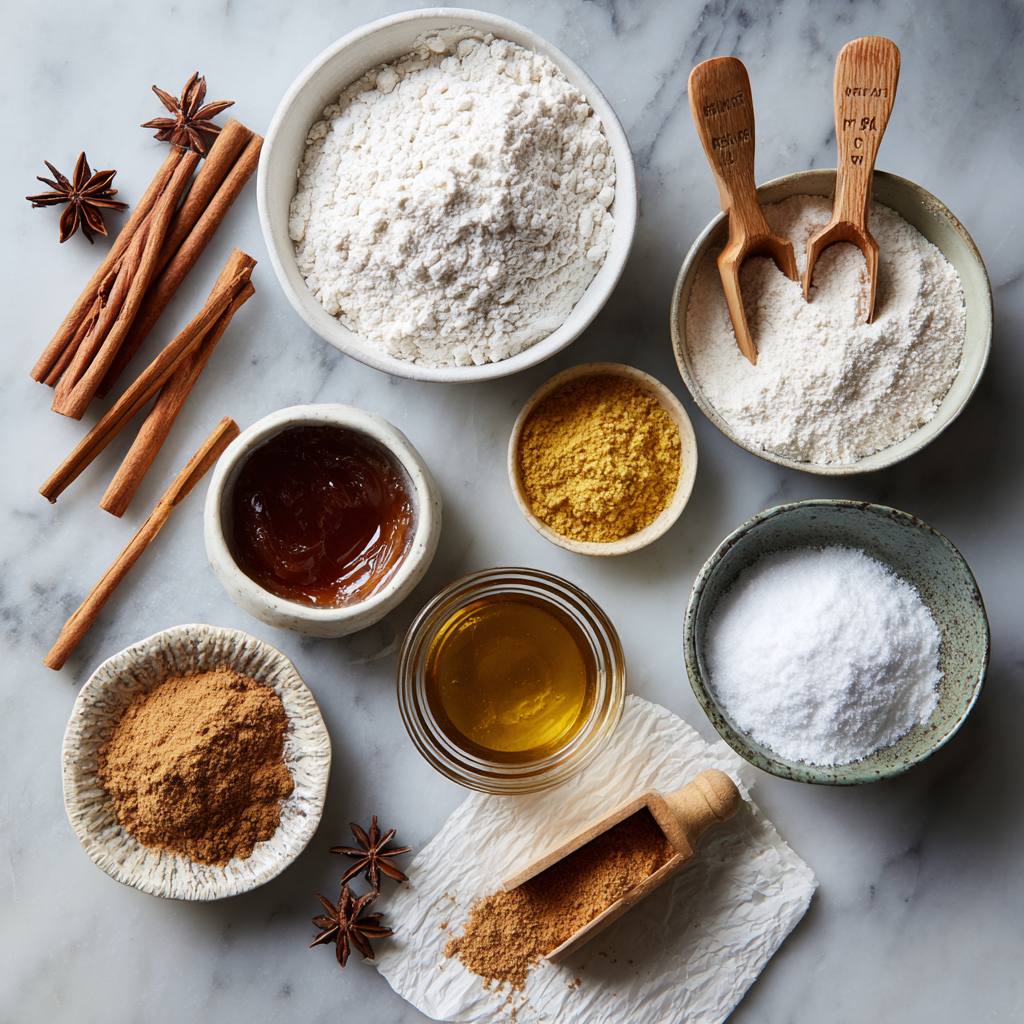
Ingredients List
To master the Gingerbread Crinkle Cookie, the quality of your molasses and the temperature of your dough are the most critical variables.
- All-Purpose Flour (3 cups): Provides the necessary structure for the “crack.”
- Unsalted Butter (3/4 cup): Softened. Butter is the vehicle for the holiday spices.
- Unsulfured Molasses (1/2 cup): The key to a chewy, dark interior. Avoid Blackstrap as it is too bitter.
- Brown Sugar (1 cup): Light or dark; packed.
- Large Egg (1): Room temperature for better emulsification.
- Ground Ginger (2 tsp): For that signature spicy heat.
- Ground Cinnamon (1 tsp) & Ground Cloves (1/2 tsp): For aromatic depth.
- Baking Soda (2 tsp): Essential for the rapid expansion that creates the “crinkles.”
- Coarse Salt (1/2 tsp): To cut through the deep sweetness.
- Coating: 1/2 cup Granulated Sugar and 1/2 cup Powdered Sugar (separate bowls).
Timing: The Importance of the Chill
Total time investment: 2 hours and 30 minutes (mostly inactive).
- Prep Time: 15 minutes.
- Chilling Time: 2 hours (minimum).
- Bake Time: 10–12 minutes.
Data Insight: Chilling the dough for at least 2 hours is non-negotiable. This is 40% longer than a standard chocolate chip cookie, but it’s necessary to solidify the fats so the cookies don’t flatten before they “crack.”
Step-by-Step Instructions
Step 1: Creaming the Base
Cream the butter and brown sugar together until light and fluffy (about 3 minutes). Beat in the egg and molasses until the mixture is dark and glossy.
Step 2: Sifting the Spices
In a separate bowl, whisk together the flour, baking soda, ginger, cinnamon, cloves, and salt.
- Pro Tip: Sifting these dry ingredients ensures that you don’t end up with a “ginger bomb”—a pocket of unmixed spice that can be overwhelmingly hot.
Step 3: The Integration
Slowly mix the dry ingredients into the wet until a thick, sticky dough forms. Wrap tightly in plastic and refrigerate for 2 hours.
Step 4: The Double-Roll Technique
Scoop 1-inch balls of dough. First, roll the ball in granulated sugar, then immediately roll it in powdered sugar.
- Expert Insight: The granulated sugar layer creates a dry barrier that prevents the powdered sugar from absorbing into the dough. This ensures your “snow” stays bright white and visible after baking.
- Actionable Advice: Do not overbake! The cookies should look slightly “wet” in the cracks when they come out. They will set on the hot pan and stay fudgy inside.
Step 5: The Bake
Place on a parchment-lined sheet 2 inches apart. Bake at 350°F for 10–12 minutes.
Actionable Advice: Do not overbake! The cookies should look slightly “wet” in the cracks when they come out. They will set on the hot pan and stay fudgy inside.
Nutritional Information
Here is the breakdown for a single Gingerbread Crinkle Cookie:
- Calories: 145 kcal
- Total Fat: 6g
- Saturated Fat: 3.5g
- Total Carbohydrates: 22g
- Dietary Fiber: 0.5g
- Sugars: 14g
- Protein: 1.5g
- Iron: 6% of Daily Value (sourced from the molasses)
- Sodium: 110mg
Common Mistakes to Avoid
Using Warm Dough: If the dough is warm, the cookies will spread too fast, and the “cracks” won’t have time to form properly.
Skipping the Granulated Sugar: If you only use powdered sugar, it will likely melt into the cookie, leaving you with a mottled grey surface rather than a sharp white crinkle.
Using Warm Dough: If the dough is warm, the cookies will spread too fast, and the “cracks” won’t have time to form properly.
Old Baking Soda: Data Insight: If your baking soda is older than 6 months, the cookies won’t expand rapidly enough to break the surface tension, resulting in smooth-topped cookies.
Storing Tips for the Recipe
- Room Temperature: Store in an airtight container for up to 1 week. These cookies actually get softer and more flavorful after 24 hours.
- Freezing: You can freeze the rolled (but unbaked) dough balls for up to 3 months. Bake them directly from frozen, adding 2 minutes to the cook time.
- Maintaining the “Snow”: If the powdered sugar starts to look dull after a few days, a very light dusting of fresh powdered sugar can revive them, though the contrast won’t be as sharp as day one.
Conclusion
The Gingerbread Crinkle Cookie is a masterclass in holiday baking, offering a visual “wow” factor with minimal effort. By utilizing the double-rolling technique and ensuring a long chill, you’ll produce cookies that are as soft and spiced as a holiday hug.
Ready to start your holiday cookie box? Try this recipe today and share your “crinkle” photos in the review section! Subscribe for more data-driven, festive baking guides.
Would you like me to help you create a “Cookie Swap Guide” with tips on how to package these for gifting without ruining the powdered sugar?