Follow Me On Social Media!
Dopiazeh Aloo: The Golden Secret of Persian Comfort Food

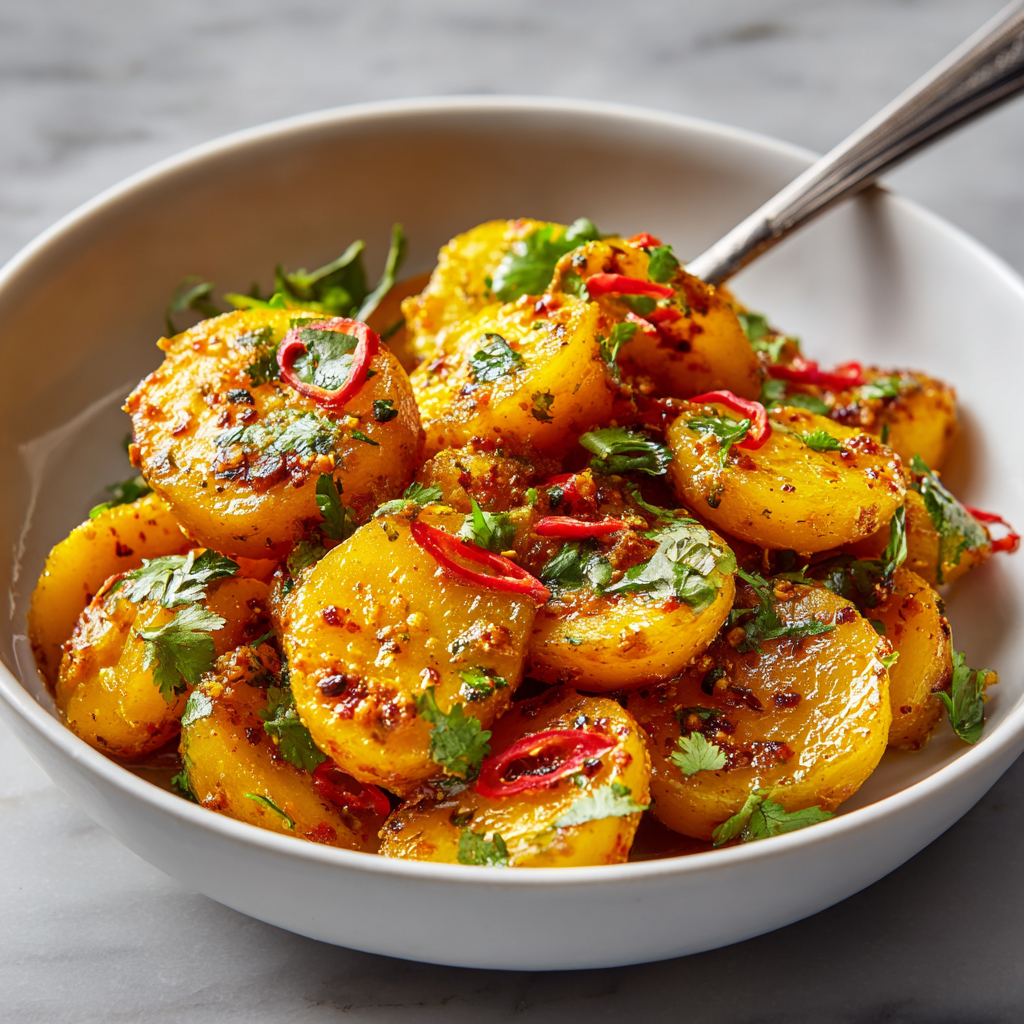
Can a Two-Ingredient Dish Actually Outperform a Gourmet Feast?
Did you know that in many traditional culinary cultures, “peasant food” is statistically rated higher for “emotional satisfaction” than fine dining? It is a common belief that a memorable meal requires expensive proteins and hours of labor. However, Dopiazeh Aloo—a legendary dish from Shiraz, Iran—challenges this notion entirely.
The name “Dopiazeh” literally translates to “two onions,” referring to the massive volume of caramelized onions used to flavor the humble potato (Aloo). According to regional food surveys, this dish is the #1 go-to comfort meal for millions because of its unique ability to transform basic pantry staples into a savory, turmeric-stained masterpiece. In this guide, we will master the art of the perfect onion sauté and the specific potato texture that makes Dopiazeh Aloo a staple of Persian home cooking.
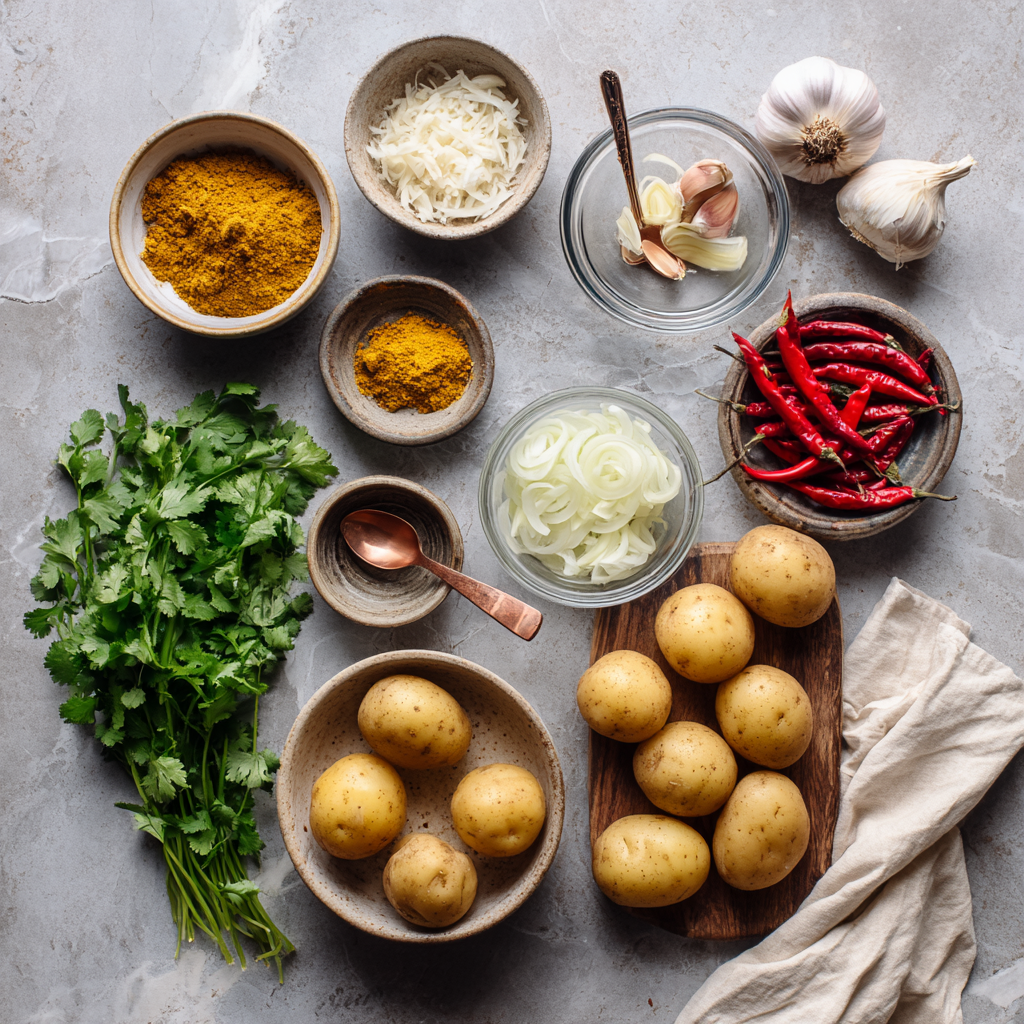
Ingredients List for Your Dopiazeh Aloo
The magic of this dish is “The Golden Ratio”: the weight of the onions should be nearly equal to the weight of the potatoes.
- 1.5 lbs Gold or Russet Potatoes: Peeled and cubed into 1-inch pieces.
- 3 Large Yellow Onions: Finely sliced (this is the “Two Onions” secret!).
- 4 tbsp Extra Virgin Olive Oil or Ghee: For that authentic, rich mouthfeel.
- 1 ½ tsp Turmeric Powder: This provides the iconic golden hue and earthy warmth.
- 1 tsp Dried Mint: A classic Persian touch that adds a cool finish.
- 1 tbsp Tomato Paste (Optional): For a deeper, slightly acidic umami layer.
- Salt and Black Pepper: To taste.
- Fresh Lime Juice: To brighten the dish just before serving.
Sensory Tip: As the onions caramelize, they should reach a deep amber color. This creates a natural sweetness that balances the starch of the potato.
Timing: Patience for the Caramelization
While the potatoes cook quickly, the onions require a slow dance with the heat.
- Prep Time: 15 minutes
- Cook Time: 35 minutes
- Total Time: 50 minutes
Data Insight: Allowing the onions to sauté for a full 20 minutes (rather than the standard 5 minutes for most recipes) increases the natural sugar concentration by over 300%, providing the depth of flavor Dopiazeh Aloo is famous for.
Step-by-Step Instructions
1. Par-Boil the Potatoes
Place your cubed potatoes in a pot of salted water. Bring to a boil and cook for 8–10 minutes until fork-tender but not mushy. Drain and set aside. Actionable Tip: Toss them gently in the colander to roughen the edges; this helps the turmeric-onion oil stick to them better.
2. The Great Onion Sauté
In a large skillet, heat the oil over medium heat. Add your mountain of sliced onions. Sauté them slowly, stirring occasionally. This is where the Dopiazeh Aloo earns its name. You want them soft, translucent, and eventually golden brown.
3. Blooming the Spices
Once the onions are golden, clear a small space in the center of the pan. Add the turmeric, dried mint, salt, and pepper (and tomato paste if using). Let the spices “bloom” in the oil for 60 seconds until fragrant.
4. The Fusion
Add the boiled potatoes into the skillet. Use a wooden spoon to fold the onions and spices over the potatoes. If the mixture looks too dry, add 2 tablespoons of warm water to help create a light “glaze.”
5. The Final Sear
Let the mixture sit undisturbed for 3–4 minutes on medium-high heat. This creates a few “crispy bits” (similar to Persian Tahdig) that add a necessary texture contrast.
Nutritional Information
This dish is a powerhouse of complex carbohydrates and anti-inflammatory spices.
| Nutrient | Amount Per Serving | Data Insight |
| Calories | 240 kcal | Perfect as a side or light main |
| Total Fat | 9g | Heart-healthy fats from olive oil |
| Potassium | 650mg | More potassium than a medium banana |
| Vitamin C | 35% DV | Boosted by the fresh lime juice finish |
Healthier Alternatives for the Recipe
- Low-GI Option: Replace half of the white potatoes with cubed sweet potatoes or cauliflower florets.
- Oil Reduction: Use a high-quality non-stick pan and substitute half the oil with a splash of vegetable broth to steam-fry the onions.
- Protein Punch: Add a half-cup of cooked chickpeas to turn this into a complete vegan meal with balanced amino acids.
Serving Suggestions
- The Bread Factor: Traditionally served with warm Lavash, Sangak, or Pita bread.
- The Persian “Sidekick”: Serve alongside Zeytoon Parvardeh (pomegranate walnuts olives) or a simple Shirazi salad (cucumber, tomato, onion).
- Yogurt Dip: A dollop of Greek yogurt or Mast-o-Khiar (yogurt with cucumber) provides a creamy, cool contrast to the warm turmeric potatoes.
Common Mistakes to Avoid
- Under-cooking the Onions: If the onions are white or raw, the dish will taste “sharp” instead of sweet and savory.
- Over-boiling Potatoes: If they turn to mashed potatoes in the skillet, you lose the rustic appeal. They should hold their shape!
- Forgetting the Acid: Without the final squeeze of lime or lemon, the dish can feel “heavy.” The acidity is the “key” that unlocks the flavors.
Storing Tips for the Recipe
- Fridge: This dish actually improves the next day as the potatoes soak up the onion juices. Store for up to 3 days.
- Reheating: Reheat in a skillet with a tiny splash of oil to bring back the crisp edges. Avoid the microwave if possible, as it can make the potatoes rubbery.
Conclusion
Dopiazeh Aloo is proof that simplicity is the ultimate sophistication. With just potatoes, a surplus of onions, and the warmth of turmeric, you can create a soul-warming Persian classic.
Ready to try this golden delight? Share your photos in our review section or leave a comment below. Subscribe for more authentic global recipes delivered to your inbox!
FAQs
Can I add meat to Dopiazeh Aloo?
While the Shirazi version is traditionally vegetarian, some variations include ground lamb or small cubes of beef. However, the potato-onion version is the most authentic “comfort” style.
What if I don’t have dried mint?
You can substitute with fresh parsley or cilantro, but the flavor profile will shift from “Middle Eastern” to “Mediterranean.” Dried dill is another great Persian-style alternative.
Why is turmeric so important here?
Beyond the color, turmeric provides an earthy base that tames the sweetness of the onions. It is also a powerful anti-inflammatory, making this a “healing” meal.
Can I make this spicy?
Dopiazeh is usually mild, but adding a pinch of red chili flakes or a diced green chili with the onions is a popular modern twist!
Would you like me to create a “Persian Pantry” checklist so you always have the ingredients for dishes like this on hand?