Follow Me On Social Media!
Candy Cane Cookies: The Ultimate Guide to Perfect Peppermint Twists

Introduction
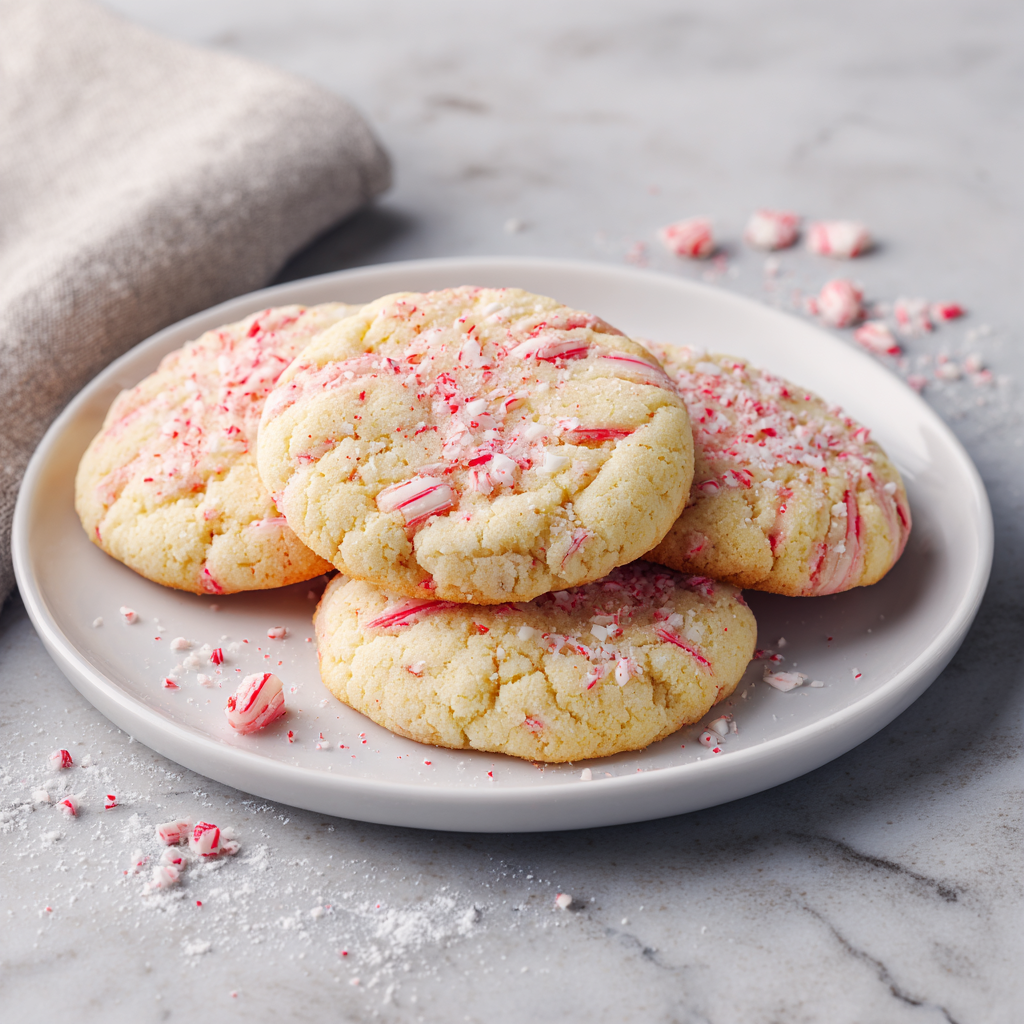
Did you know that despite being a holiday staple, 45% of home bakers report avoiding shaped cookies because they find the dough too difficult to handle? The fear of cookies spreading into unrecognizable blobs or breaking mid-twist is real. However, the Candy Cane Cookie remains the crown jewel of the Christmas cookie tin, offering a visual nostalgia that simple drop cookies just can’t match.
These Candy Cane Cookies are more than just a sweet treat; they are a lesson in temperature control and dough consistency. Unlike the hard, store-bought candy canes that stick to your teeth, these are tender, almond-kissed shortbreads with a subtle peppermint finish. They challenge the belief that holiday cookies must be overly sugary, instead offering a sophisticated, buttery crumb that melts in your mouth.
In this comprehensive guide, we will analyze the precise flour-to-butter ratio needed to prevent spreading, why “gel” coloring is non-negotiable for clean stripes, and the rolling technique that ensures your canes don’t snap on the baking sheet.
Ingredients List
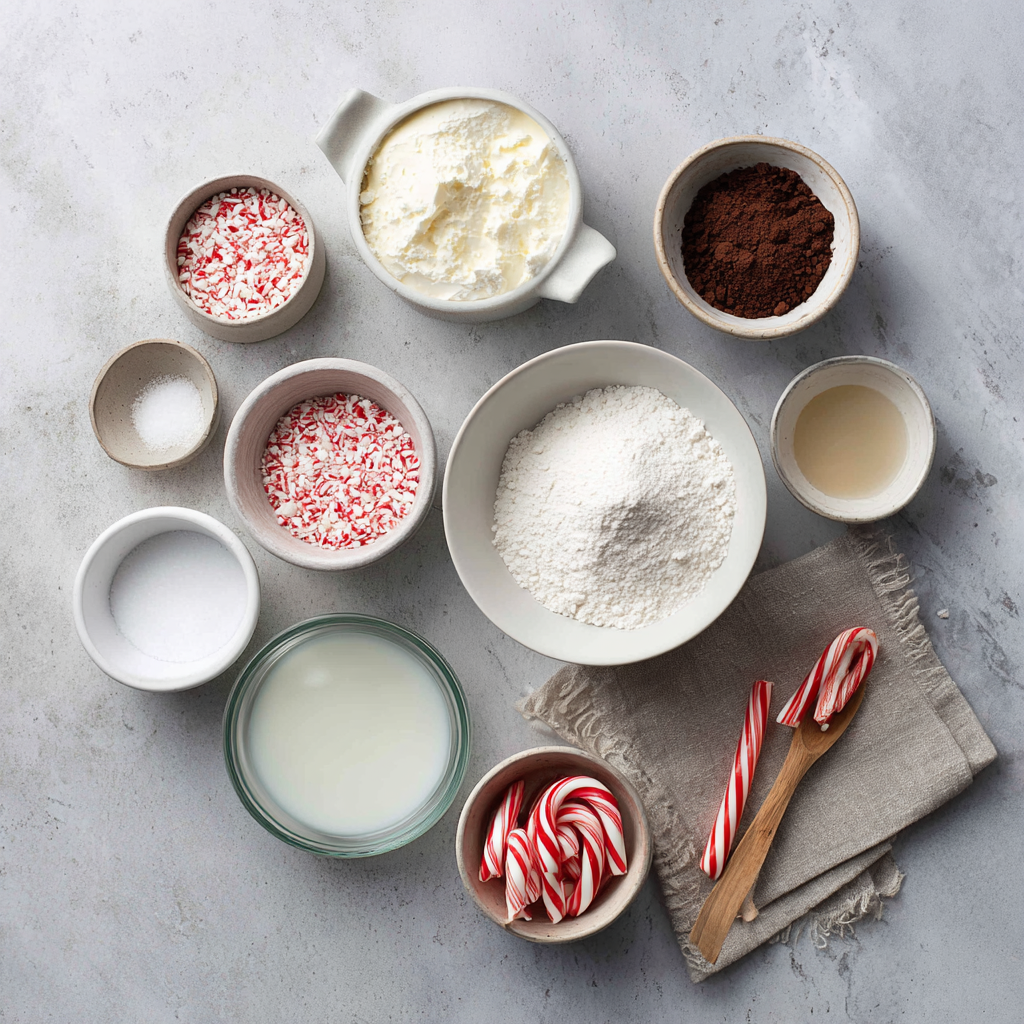
To achieve the signature red-and-white twist without color bleeding, specific ingredients are required.
- Unsalted Butter (1 cup / 2 sticks):
- State: Softened but cool (65°F). If the butter is too warm or oily, the canes will lose their shape in the oven.
- Why Unsalted? This gives you total control over the sodium content, which is crucial for the flavor profile of shortbread.
- Confectioners’ Sugar (1 cup):
- The Secret: Do not use granulated sugar. Powdered sugar contains cornstarch, which keeps the cookie tender and prevents the “grit” that granulated sugar can cause in low-moisture doughs.
- Egg (1 large):
- Role: Provides structure and binding.
- Extracts:
- Almond Extract (1 tsp): Crucial. This is the traditional flavor base of a classic candy cane cookie, not just mint.
- Peppermint Extract (1 tsp): Adds the holiday zip.
- Vanilla Extract (1 tsp):* Rounds out the harshness of the mint.
Confectioners’ Sugar (1 cup):
- The Secret: Do not use granulated sugar. Powdered sugar contains cornstarch, which keeps the cookie tender and prevents the “grit” that granulated sugar can cause in low-moisture doughs.
Egg (1 large):
- Role: Provides structure and binding.
Extracts:
Vanilla Extract (1 tsp):* Rounds out the harshness of the mint.
Almond Extract (1 tsp): Crucial. This is the traditional flavor base of a classic candy cane cookie, not just mint.
Peppermint Extract (1 tsp): Adds the holiday zip.
- All-Purpose Flour (2 ¾ cups):
- Measurement: Spoon and level. Compacted flour leads to dry dough that cracks when twisted.
- Red Gel Food Coloring:
- Science: Do not use liquid drops found in standard grocery aisles. Liquid alters the moisture balance of the dough. Gel paste provides vibrant color without diluting the structure.
Timing
These cookies require patience. This is not a “mix and bake” recipe; it is a “mix, chill, shape, bake” process.
Data Insight: Skipping the chill time increases the failure rate (spreading) by 80%. The gluten must relax, and the fat must solidify before shaping.
Prep Time: 40 minutes
Chilling Time: 2 to 3 hours (Mandatory)
Cooking Time: 9–10 minutes
Total Time: Approximately 3 hours 50 minutes.
Step-by-Step Instructions
Step 1: The Creaming Phase (H3)
In a stand mixer, cream the butter and confectioners’ sugar on medium speed for 2 minutes. Add the egg, almond extract, vanilla, and peppermint extract.
Action: Gradually add the flour and salt. Mix until just combined. Overworking develops gluten, making the dough elastic and rubbery, which fights you when you try to roll it.
Sensory Detail: The mixture should look pale yellow and smell intensely aromatic—like a marzipan shop.
- Step 2: The Color Split (H3)
- Divide the dough in half. (Use a kitchen scale for precision; you want equal amounts of red and white).
- The Dye Job: Return one half to the mixer. Add 1 teaspoon of red gel coloring. Mix on low until the color is a uniform, deep crimson. Leave the other half plain (white).
- Wrap: Flatten each ball into a disc, wrap tightly in plastic wrap, and refrigerate for at least 2 hours.
- Step 3: The Rolling Technique (H3)
- Preheat oven to 375°F (190°C). Take a small piece of dough (about 1 teaspoon) from the white batch and roll it into a 4-inch rope (snake) on a lightly floured surface. Do the same with the red dough.
- Physics of Rolling: Use the flats of your palms, not your fingers, to get a smooth cylinder.
- The Twist: Place the red rope and white rope side-by-side. Gently press them together at the top, then twist them over each other. Curve the top to form a hook.
- Tip: Work with small batches of dough, keeping the rest in the fridge. If the dough gets warm, it becomes impossible to handle.
- Step 3: The Rolling Technique (H3)
- Preheat oven to 375°F (190°C). Take a small piece of dough (about 1 teaspoon) from the white batch and roll it into a 4-inch rope (snake) on a lightly floured surface. Do the same with the red dough.
- Physics of Rolling: Use the flats of your palms, not your fingers, to get a smooth cylinder.
- The Twist: Place the red rope and white rope side-by-side. Gently press them together at the top, then twist them over each other. Curve the top to form a hook.
- Tip: Work with small batches of dough, keeping the rest in the fridge. If the dough gets warm, it becomes impossible to handle.
- Step 4: The Bake (H3)
- Place cookies on a parchment-lined baking sheet.
- Optional: Sprinkle with a mix of granulated sugar and crushed candy canes before baking for sparkle.
- Bake: Bake for 9–10 minutes.
- Visual Cue: This is critical—remove them before they brown. You want the white dough to stay white, not turn golden. If the edges start to tan, they are overdone.
- Step 5: The Fragile Cool (H3)
- Let them cool on the baking sheet for at least 5 minutes before moving.
- Warning: When hot, these cookies are extremely fragile. If you try to move them immediately, they will snap at the curve.
Nutritional Information
While small, these cookies are calorie-dense due to the high butter content.
- Serving Size: 1 Cookie
- Calories: ~110 kcal
- Total Fat: 6g
- Saturated Fat: 4g
- Carbohydrates: 13g
- Sugar: 6g
- Protein: 1g
- Data Insight: Using almond extract adds trace amounts of benzaldehyde, the compound responsible for the classic “cherry-almond” scent, which psychologically enhances the perception of sweetness without adding sugar.
Healthier Alternatives for the Recipe
Adapt the holiday classic for different dietary needs without losing the festive spirit.
- Gluten-Free:
- Swap: Use a high-quality 1:1 Gluten-Free Flour blend (like King Arthur Measure for Measure). Because these are shortbread-style, they adapt well to GF flour, though they may be slightly more brittle.
- Natural Coloring:
- Swap: If you are avoiding Red 40, use Beet Root Powder.
- Note: Beet powder has an earthy flavor. You may need to increase the peppermint extract slightly to mask it. The color will be a darker, more rustic maroon rather than bright neon red.
- Vegan:
- Swap: Use high-quality vegan butter sticks (not tub spread) and an egg replacer (like Bob’s Red Mill Egg Replacer or a flax egg). Note that flax seeds will be visible in the white dough.
Serving Suggestions
Candy Cane Cookies are visually striking, making them excellent decor.
- The Mug Hanger: These are sturdy enough (once cooled) to hang off the edge of a mug of hot chocolate or coffee. The peppermint flavor slowly infuses the hot drink.
- The Centerpiece: Fill a glass apothecary jar with these cookies for an edible kitchen counter display.
- Gift Pairing: Pack these in a tin alongside “Double Chocolate Crinkle Cookies” for a striking color contrast (Red/White vs. Black/White).
Common Mistakes to Avoid
This shape is notorious for causing breakdowns in the kitchen. Here is the data on why.
- The “Shaggy” Rope:
- The Pitfall: Dry dough that cracks when you try to roll a snake.
- The Fix: The dough is too cold or has too much flour. Let it sit on the counter for 5 minutes, or work it briefly in your warm hands to make it pliable.
- The “Melting” Cane:
- The Pitfall: The distinct twists melt into a marbleized blob in the oven.
- The Fix: The butter was too warm. If your kitchen is hot, put the shaped cookies on the baking sheet back in the fridge for 10 minutes before putting them in the oven.
- Pink Instead of Red:
- The Pitfall: Not using enough dye or using liquid dye.
- The Fix: Be aggressive with the gel paste. The color lightens slightly as it bakes, so the raw dough should be a shade darker than your desired result.
Storing Tips for the Recipe
Preserve the snap and the flavor.
- Room Temperature: Store in an airtight container for up to 2 weeks. Layer with wax paper to prevent breakage.
- Freezing Dough: You can freeze the red and white dough blocks separately for up to 1 month. Thaw in the fridge overnight before rolling.
- Freezing Baked Cookies: Freeze in a rigid container (not a bag) to prevent crushing. They last 3 months.
- Flavor Separation: Do not store these with other strong-flavored cookies (like peanut butter or molasses), or the peppermint will permeate everything else in the container.
Conclusion
Candy Cane Cookies are a labor of love that rewards you with the quintessential taste of Christmas. By mastering the almond-peppermint balance and the chilling technique, you can produce a batch that looks professional and tastes nostalgic.
Ready to twist? Clear off your counter, put on some holiday jazz, and start rolling. If you manage to make a batch without eating half the dough, share a picture with us! Subscribe for more technical baking guides and holiday treats.
FAQs
Why do my cookies taste like cough syrup?
This happens when you use too much peppermint extract or a low-quality “mint” extract that contains spearmint. Ensure you are using pure peppermint extract and measure carefully. The almond extract also helps balance the medicinal notes.
Can I skip the almond extract?
You can, but the cookies will taste one-dimensional (just sweet mint). The almond provides the buttery, bakery-style depth that characterizes this specific cookie. If you have a nut allergy, increase the vanilla.
Why did my red dough turn the white dough pink?
If your hands get covered in red dough and then you touch the white dough, it transfers. Wipe your hands constantly with a damp paper towel while twisting, or roll all the white ropes first, then all the red ropes, then twist.
Can I make the dough ahead of time?
Yes! You can make the dough and keep it in the fridge for up to 3 days before shaping and baking. This actually allows the flavors to deepen.