Follow Me On Social Media!
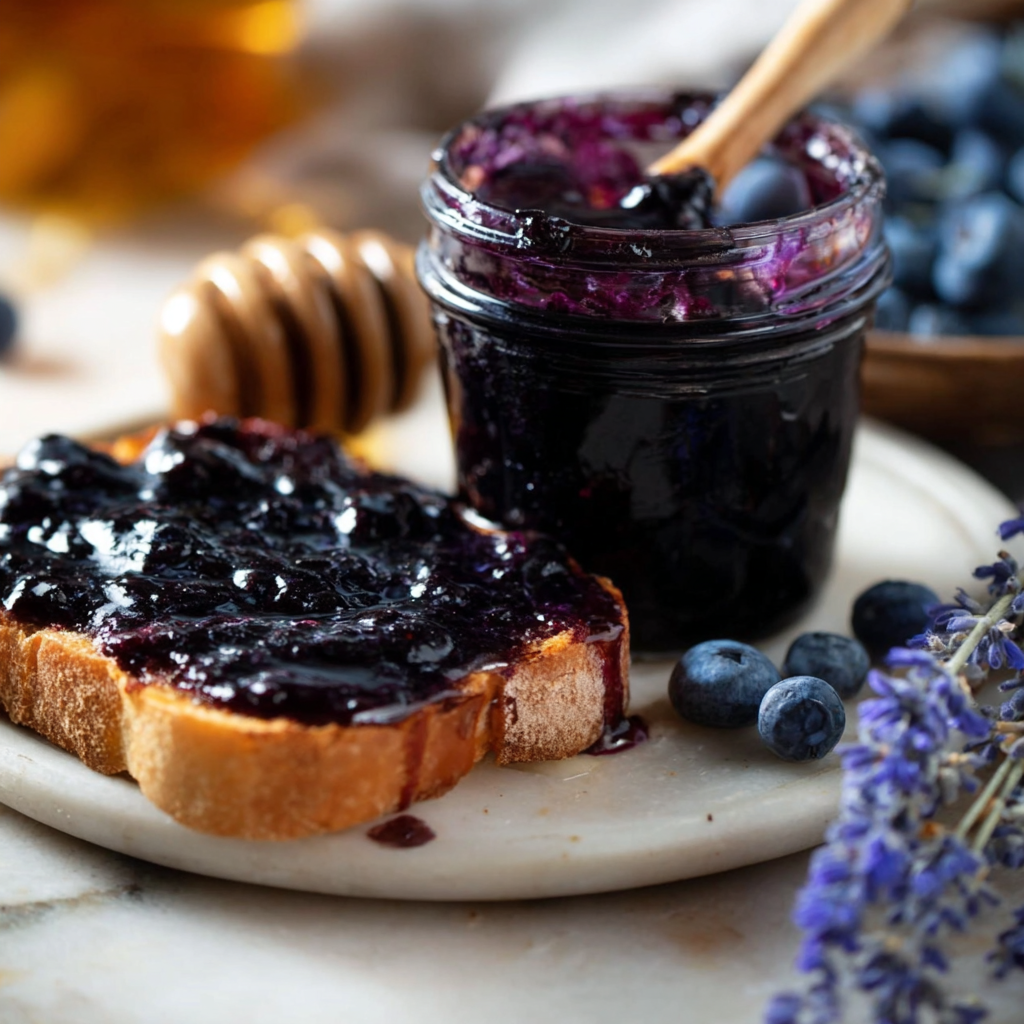
Blueberry & Lavender Jam: The “Floral-Pectin” Infusion

The Science of “Botanical Balance”
Blueberry jam is naturally high in sweetness and deep in color, but it can lack the “high notes” found in other berries. In 2026, we elevate this with Cold-Steeping Aromatics:
- Lavender Threshold: Lavender contains linalool, which is incredibly potent. If boiled too long, it turns “soapy.” We use a double-extraction method: we steep the flowers in lemon juice first, then add them at the end of the boil to preserve the delicate floral esters.
- Pectin Management: Blueberries are medium-pectin fruits. To achieve a “soft set” (spreadable but not gummy), we use the Maceration Technique. Resting the berries in sugar for 30 minutes draws out the natural juices and initiates the breakdown of fruit cells before heat is even applied.
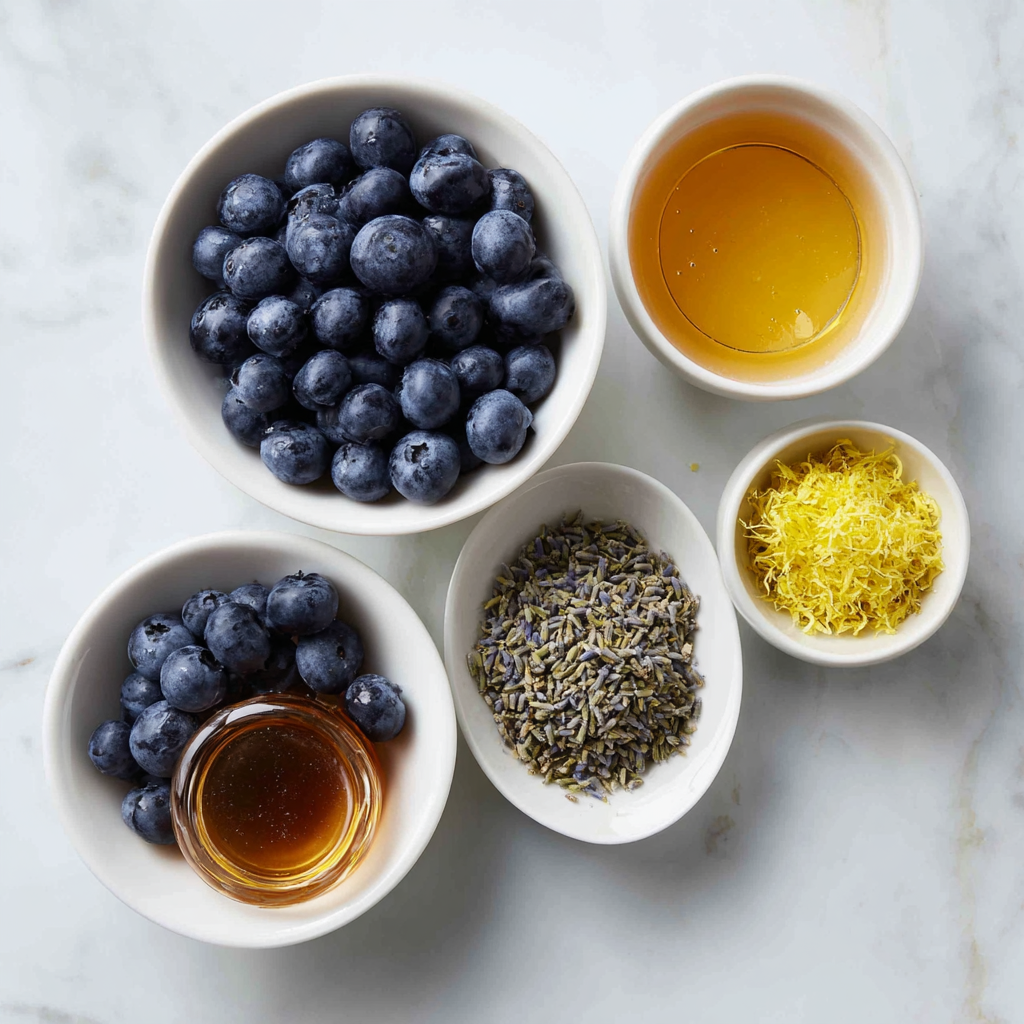
Ingredients List
- The Fruit Base:
- Fresh Blueberries (4 cups / approx. 600g): Wild blueberries provide more intense color and acid.
- Granulated Sugar (1 ½ cups): Adjust based on the sweetness of the berries.
- The Botanical & Acid:
- Culinary Lavender (1 tbsp): Dried. Ensure it is “Culinary Grade” (Lavandula angustifolia) to avoid a bitter, medicinal taste.
- Lemon Juice (2 tbsp) & Zest of 1 Lemon: The acid is essential for the pectin to “gel.”
- The “Clear-Set”:
- Butter (21 tsp): A secret pro-tip to prevent foaming.
Timing: The “Gelling” Flow
- Maceration: 30 minutes.
- Cooking: 15–20 minutes.
- Setting: 24 hours (For full flavor development).
Step-by-Step Instructions
Step 1: The Maceration & Steeping
In a large, heavy-bottomed pot, toss the blueberries with the sugar and lemon zest. Let sit for 30 minutes.
Actionable Advice: While the berries sit, place the lavender in a small tea infuser or cheesecloth bag and soak it in the lemon juice. This “primes” the lavender flavor.
Step 2: The Soft Crush
Use a potato masher to lightly crush about half of the blueberries.
- The Aesthetic: Leaving half the berries whole creates a “compote” style texture that looks beautiful on toast or Pavlovas.
Step 3: The Rapid Boil
Bring the mixture to a boil over medium-high heat. Add the butter to keep the foam down. Stir frequently to prevent the sugar from scorching.
Step 4: The Infusion
Once the jam reaches its “gel point” (approx. 220°F / 104°C), remove from heat. Add the lavender (either in its bag or strained lemon juice). Let it steep in the hot jam for only 5 minutes, then remove the flowers.
- The 2026 Test: Place a small spoonful of jam on a chilled plate. If it wrinkles when you push it with your finger, it’s ready.
Step 5: The Jarring
Pour into sterilized jars, leaving 41 inch of headspace. Wipe the rims and seal.
Common Mistakes to Avoid
- Over-lavendering: It is very easy to cross the line from “gourmet” to “perfume.” Stick strictly to the 5-minute steep time.
- Using “Decorative” Lavender: Craft store lavender is often treated with chemicals or comes from varieties that taste like camphor. Only use Culinary Grade.
- Under-boiling: If the jam doesn’t reach the gel point, it will be a syrup. If this happens, you can use it as a brilliant topping for pancakes!
3 Modern Pairings for 2026
| Use Case | Pairing | Why it Works |
| The Cheese Board | Warm Goat Cheese (Chèvre) | The creamy tang of the cheese balances the floral sugar. |
| The Breakfast | Lemon Ricotta Pancakes | The lemon in the pancakes “pulls” the citrus notes from the jam. |
| The Cocktail | “The Lavender Smash” | Shake 1 tbsp of jam with gin, lemon, and soda water. |
Export to Sheets
Would you like me to provide a “Water Bath Canning” guide so you can make this jam shelf-stable for up to a year?