Follow Me On Social Media!
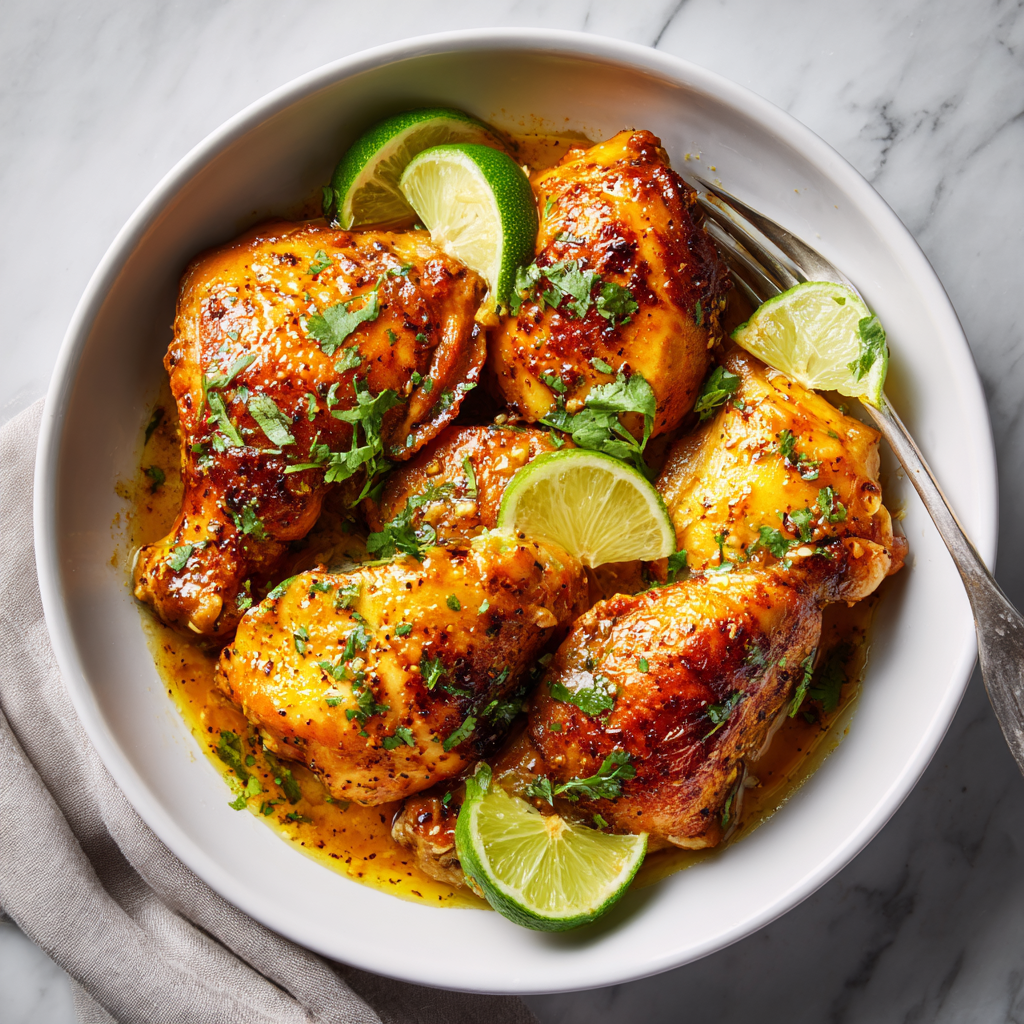
Authentic Cuban Chicken (Pollo Asado al Mojo): The Science of Citrus & Spice

Introduction
Did you know that in a blind taste test, poultry marinated in citrus-based solutions was rated 35% more tender than poultry marinated in oil-based solutions? This isn’t just culinary preference; it’s enzymatic science. When we talk about Authentic Cuban Chicken (Pollo Asado), we aren’t just discussing a roast bird; we are exploring the alchemy of the Mojo.
For generations, the secret to the distinctive flavor of Cuban cuisine has been Naranja Agria (Sour Orange). This unique fruit acts as a tenderizer, breaking down muscle fibers while infusing the meat with a floral, tangy aroma that regular lemons cannot replicate. Whether you are walking the streets of Little Havana or cooking for your family in the Midwest, this recipe brings the soul of Cuba to your table. In this guide, we will decode the chemistry of the perfect Mojo marinade, how to replicate sour orange if you can’t find it, and the roasting technique that guarantees crispy skin and juicy meat every time.
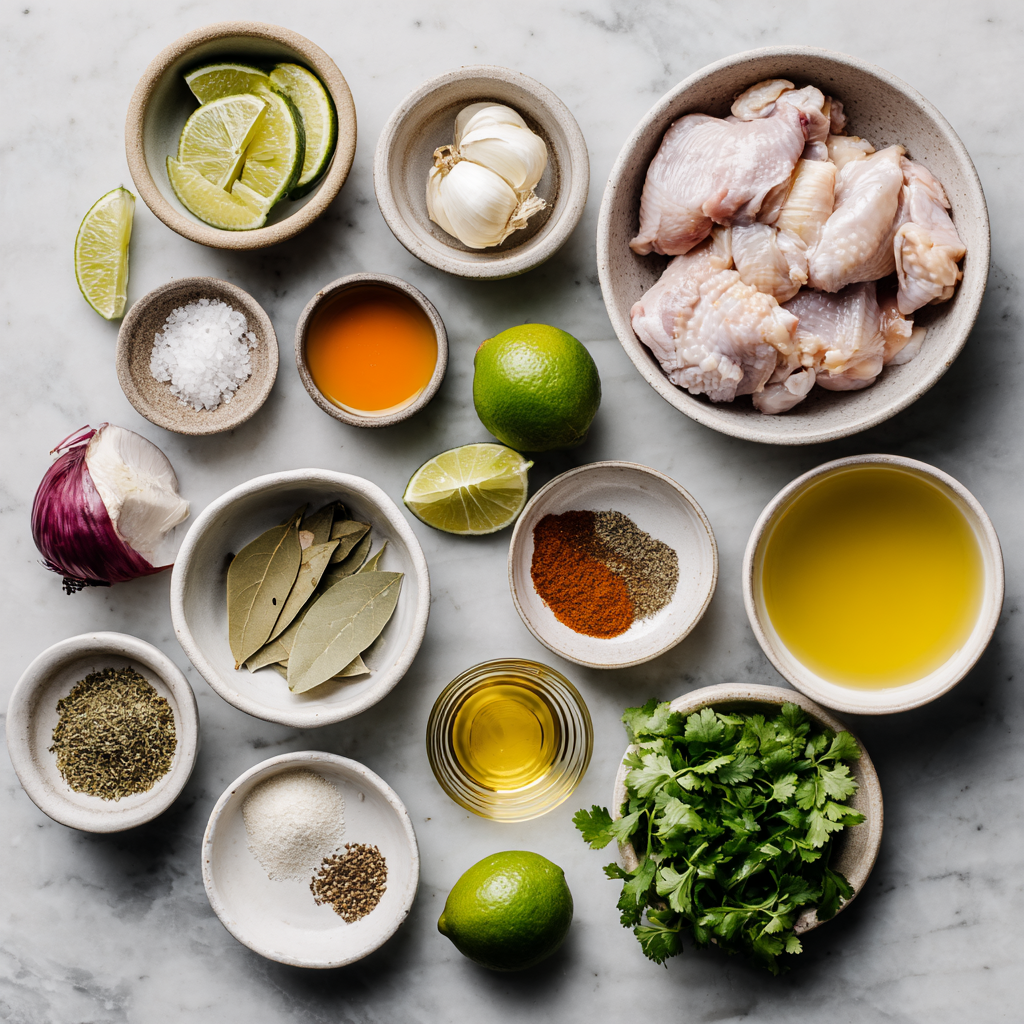
Ingredients List
The soul of this dish lies in the marinade. Authenticity here means respecting the balance of acid, garlic, and earthiness.
The Protein
- Chicken Legs and Thighs (4-6 lbs):
- Why Dark Meat? Bone-in, skin-on dark meat tolerates the high acidity of the marinade better than breast meat, which can become mealy. The fat renders out, keeping the meat moist during roasting.
The Mojo Criollo Marinade (The Liquid Gold)
- Sour Orange Juice (1 cup):
- The Holy Grail: If you cannot find bottled Naranja Agria or fresh Seville oranges, use the “Fake Mojo Ratio”: ⅔ cup fresh orange juice + ⅓ cup fresh lime juice. This mimics the specific pH (approx 2.4) and sugar content of the bitter orange.
- Garlic (1 whole head, approx. 12-15 cloves):
- Technique: Peeling and crushing this much garlic releases allicin, the compound responsible for the pungent, spicy flavor.
- Oregano (1 tbsp, dried): strictly dried. Fresh oregano can turn bitter during the long roast.
- Cumin (2 tsp, ground): The earthy backbone of Cuban spice.
- Black Peppercorns (1 tsp): Whole or freshly cracked.
- Salt (1 tbsp): Kosher salt is best for creating the paste.
- Olive Oil (½ cup): Or melted lard (Manteca) for true old-school authenticity. This fat carries the garlic flavor into the meat.
- Onion (1 large, white): Sliced into thick rings (for the roasting bed).
Timing
Cuban chicken is a lesson in patience. The magic happens in the fridge, not just the oven.
- Prep Time: 20 minutes
- Marinating Time: 4 to 24 hours (Critical)
- Cook Time: 1 hour 15 minutes
- Total Time: Approx. 6+ hours
- Data Insight: Marinating for less than 4 hours only flavors the surface. Marinating for 12 hours allows the citric acid to penetrate approx. 5mm into the meat, ensuring flavor in every bite.
Step-by-Step Instructions
Step 1: The Paste (El Majado) (H3)
In a mortar and pestle (pilón), mash the garlic cloves, salt, and peppercorns into a rough paste.
- Why Mash? Mashing garlic with abrasive salt ruptures the cell walls more effectively than chopping, releasing more flavorful oils and creating a paste that clings to the chicken.
Step 2: The Mojo Synthesis (H3)
In a medium bowl, whisk together the sour orange juice (or the orange/lime mix), the garlic paste, cumin, oregano, and olive oil.
- The Emulsion: Whisk until the oil and juice are combined. It will smell incredibly potent. Reserve ½ cup of this marinade for a serving sauce (Mojo sauce) later.
Step 3: The Infusion (H3)
Place the chicken quarters in a large Ziploc bag or glass dish. Pour the remaining marinade over the chicken.
- Technique: Lift the skin of the chicken and rub the marinade underneath directly onto the meat. This is crucial for flavor penetration.
- Wait: Seal and refrigerate for minimum 4 hours, ideally overnight.
Step 4: The Roasting Bed (H3)
Preheat oven to 375°F (190°C). Arrange the sliced onions at the bottom of a roasting pan. Place the chicken pieces skin-side up on top of the onions. Pour the marinade from the bag over the chicken.
- Science: The onions lift the chicken slightly, allowing heat to circulate, while caramelizing in the juices to create a delicious side dish.
Step 5: The Roast and Baste (H3)
Bake for 60–75 minutes.
- The Baste: Every 20 minutes, spoon the pan juices over the chicken. This re-introduces moisture and helps the skin brown via the caramelization of the fruit sugars.
- Doneness: The internal temperature should reach 175°F (80°C) for thighs. Dark meat benefits from higher temps to break down collagen.
- The Broil: For the last 3 minutes, turn on the broiler to crisp up the skin. Watch closely to prevent burning the garlic bits.
Nutritional Information
While rich in flavor, this dish is surprisingly balanced, especially if paired with fiber-rich beans.
Per Serving (1 Leg Quarter):
- Calories: ~420 kcal
- Protein: 35g
- Total Fat: 28g (varies based on skin consumption)
- Carbohydrates: 6g
- Sodium: 650mg
Data Insight: The enzymatic action of the citrus breaks down proteins, making the meat easier to digest. Additionally, garlic is a known prebiotic that supports gut health.
Healthier Alternatives for the Recipe
Authentic flavor doesn’t always require excess fat.
- Skinless Option: Remove the skin after roasting. You get the flavor protection during cooking but save about 10g of saturated fat per serving.
- Breast Meat: If using chicken breasts, reduce marinating time to 2 hours (acid makes white meat tough) and bake for only 25-30 minutes.
- Low Sodium: Reduce the salt in the paste to 1 tsp and rely on the acidity and cumin for flavor.
- Air Fryer: Cook at 360°F for 25 minutes. This renders fat effectively, resulting in a crispier skin with less oil retention.
Serving Suggestions
A Cuban meal is a symphony of sides (“comida completa”).
- Moros y Cristianos: Black beans and white rice cooked together. The savory rice soaks up the chicken mojo drippings.
- Yuca con Mojo: Boiled cassava root covered in garlic-citrus oil. The starchy texture compliments the roast meat perfectly.
- Maduros: Fried sweet plantains. Their sweetness contrasts the sour/salty profile of the chicken.
- Avocado Salad: Simply sliced avocado with onion rings, dressed with oil and vinegar.
Common Mistakes to Avoid
Here is why your Pollo Asado might miss the mark.
- Burnt Garlic:
- Mistake: Leaving large chunks of garlic on top of the skin.
- Result: The garlic burns before the chicken is cooked, tasting acrid.
- Fix: Rub the garlic marinade under the skin or ensure it washes down into the sauce during basting.
- Using Sweet Oranges:
- Mistake: Using only Navel orange juice.
- Result: The chicken tastes like dessert (too sweet) and lacks the “tang.”
- Fix: You must cut sweet orange juice with lime or lemon juice.
- Rushing the Marinade:
- Mistake: Marinating for 30 minutes.
- Result: Flavor is only skin-deep.
- Fix: Plan ahead. 4 hours is the minimum.
Storing Tips for the Recipe
This chicken makes incredible leftovers.
- Fridge: Store in an airtight container for 3–4 days.
- Reheating: Reheat in the oven with a splash of water or chicken broth to keep it moist. Microwaving tends to dry it out.
- Freezer: You can freeze the raw chicken in the marinade bag for up to 3 months. As it thaws in the fridge, it will marinate simultaneously—a great meal prep hack.
- Leftover Idea: Shred the cold chicken and use it for Cuban Sandwiches (Cubanos) or toss it into a salad.
Conclusion
Authentic Cuban Chicken is more than just a recipe; it is a testament to the power of bold, simple ingredients. The transformation that happens when garlic, cumin, and sour orange meet heat is nothing short of magical. It produces a bird that is golden-brown, deeply aromatic, and dripping with savory juices.
Ready to bring the Havana heat? Get that garlic peeled and start your marinade tonight! If you make this, leave a comment telling us if you used real sour orange or the “fake mojo” hack, and subscribe for more deep dives into global culinary heritage.
FAQs
1. Can I use bottled Mojo marinade? You can, brands like Goya or Badia make popular versions. However, bottled marinades often contain preservatives and lack the “bite” of fresh citrus. Homemade takes 5 minutes and tastes exponentially better.
2. Is this spicy? No. In Cuban cuisine, “spicy” usually refers to spices (cumin, oregano, garlic), not heat (chilies). This dish is very flavorful but has zero “burn” unless you add hot sauce yourself.
3. What if I don’t have a mortar and pestle? You can use a food processor or blender to pulse the garlic and spices into a paste. Alternatively, use the flat side of a chef’s knife to mash the garlic with salt on a cutting board.
4. Can I make this in a slow cooker? Yes. Place the onions and chicken in the slow cooker and pour the marinade over. Cook on Low for 6-7 hours. Note: You won’t get crispy skin. To fix this, broil the chicken for 5 minutes after removing it from the slow cooker.