Follow Me On Social Media!
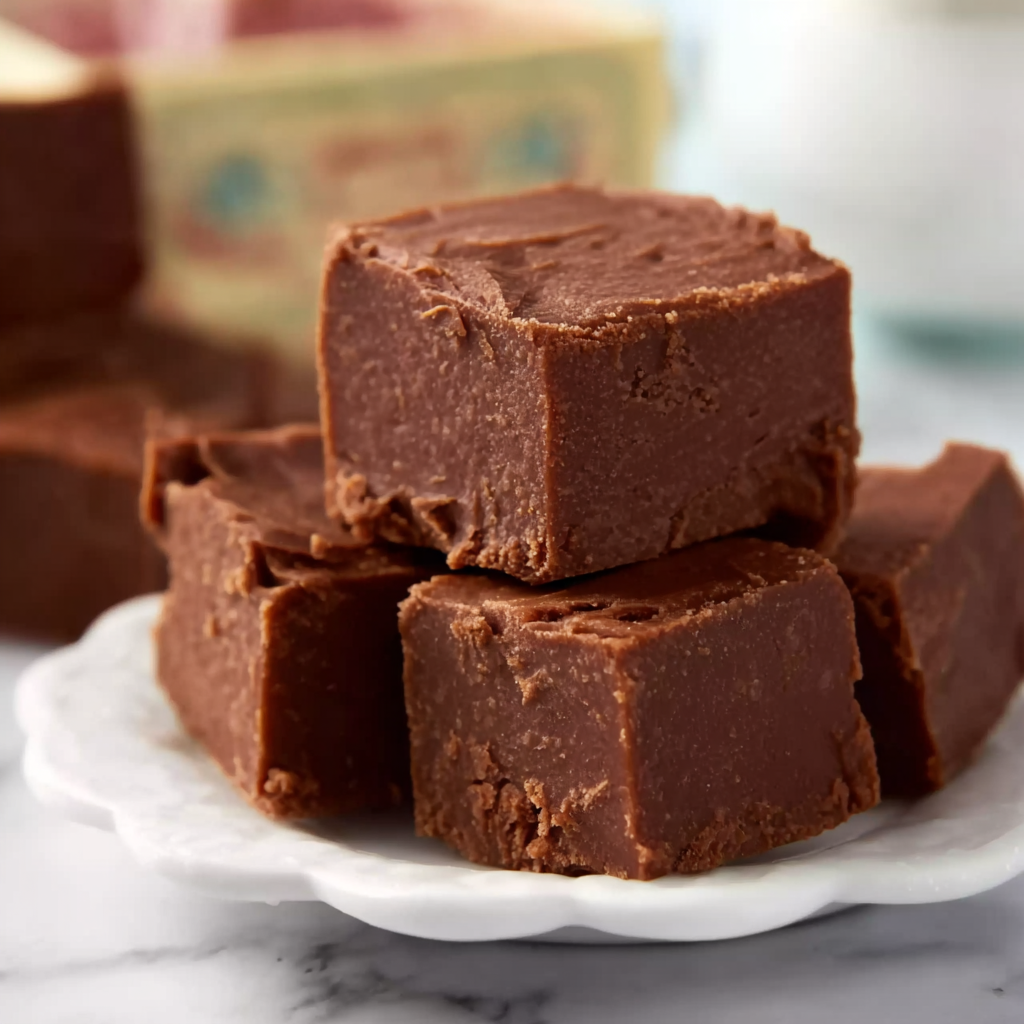
Copycat Fannie May Fudge: The “Micro-Crystalline” Method

The Science of the “Velvet Set”
Fannie May fudge is famous for its exceptionally smooth, melt-away texture, lacking the “grittiness” often found in home kitchens. In 2026, we achieve this through Controlled Recrystallization:
- The Interference Agent: We use a combination of Marshmallow Cream and Evaporated Milk. The glucose syrup in the marshmallow cream acts as an “interferer,” physically blocking sugar molecules from bonding into large, crunchy crystals.
- The Cooling Phase: The secret to the Fannie May texture isn’t just the boil—it’s the cooling. Beating the fudge once it reaches a specific temperature window (110°F to 120°F) ensures that only microscopic crystals form, resulting in that signature silky mouthfeel.
Ingredients List
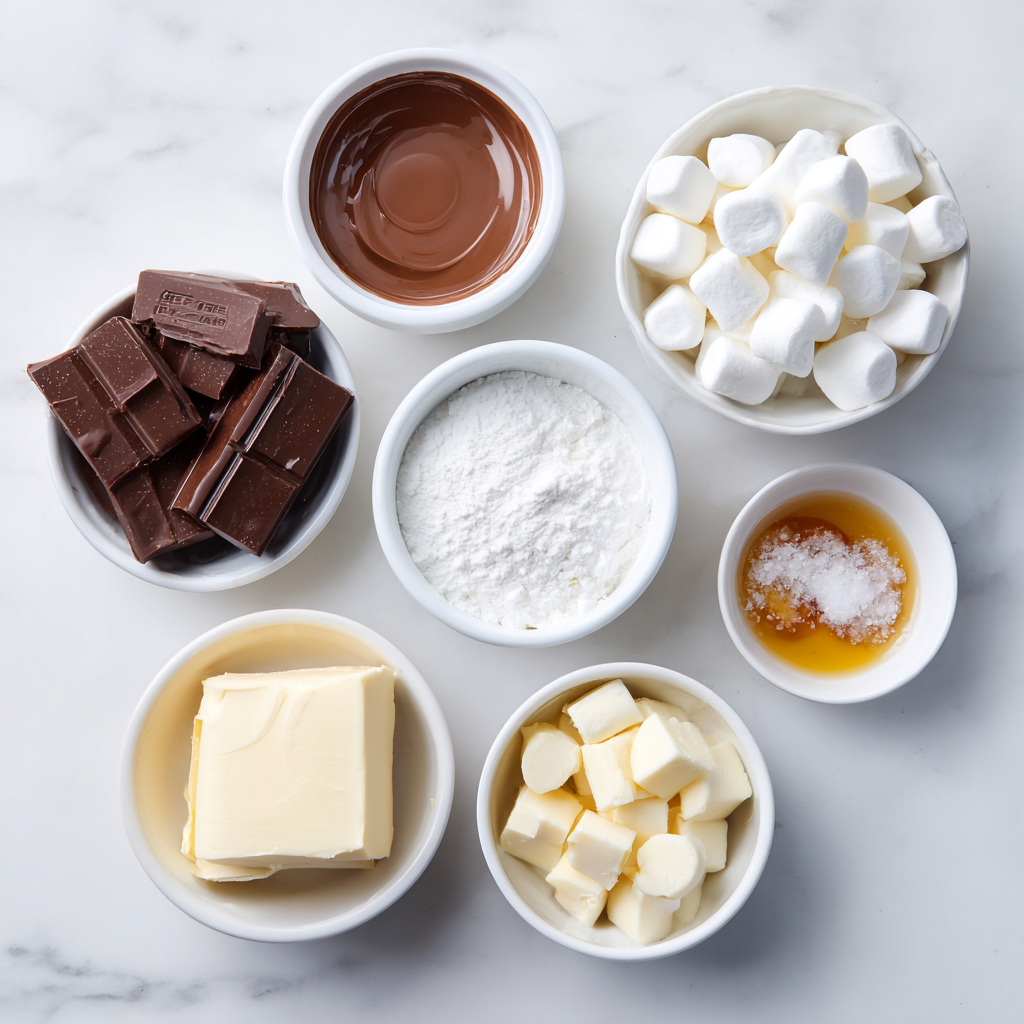
- The Sugar Base:
- Granulated Sugar (4 ½ cups).
- Evaporated Milk (12 oz can): Do not substitute with sweetened condensed milk; the chemistry is different.
- Unsalted Butter (1 cup / 2 sticks): High-quality European style provides better fat content.
- The “Copycat” Texture Matrix:
- Marshmallow Cream (7 oz jar): This provides the structural “fluff.”
- Semi-Sweet Chocolate Chips (12 oz): Use a high-quality brand like Guittard or Ghirardelli.
- Unsweetened Chocolate (4 oz): Coarsely chopped (this balances the intense sugar).
- The Finish:
- Vanilla Extract (2 tsp).
- Salt (pinch): To brighten the chocolate notes.
Timing: The “Soft-Ball” Window
- Prep: 10 minutes.
- Boiling: 8–10 minutes.
- Setting: 4 hours (at room temperature).
Step-by-Step Instructions
Step 1: The High-Heat Dissolution
In a large, heavy-bottomed saucepan, combine the sugar, butter, and evaporated milk. Bring to a boil over medium heat, stirring constantly to prevent the milk proteins from scorching on the bottom.
Step 2: The “Soft-Ball” Stage
Once the mixture reaches a rolling boil, set a timer for exactly 8 minutes (or use a candy thermometer to reach 236°F / 113°C).
Actionable Advice: Keep stirring! If you stop, sugar crystals can form on the sides of the pot and fall back in, which could ruin the smooth texture.
Step 3: The Fusion
Remove from heat. Immediately add the chocolate chips, chopped unsweetened chocolate, and marshmallow cream. Use a sturdy wooden spoon to beat the mixture until the chocolate is completely melted and the marshmallow is fully integrated.
Step 4: The Final Temper
Add the vanilla and salt. Continue to beat the fudge by hand for another 2–3 minutes.
- The Science: This extra beating aerates the mixture slightly and encourages the “Micro-Crystalline” set that defines the Fannie May style.
Step 5: The Set
Pour the mixture into a parchment-lined 9×13 inch pan. Smooth the top with a spatula. Let it sit at room temperature for at least 4 hours.
- The 2026 Pro-Tip: Do not put it in the fridge to speed up the process. Rapid cooling can cause “bloom” (white streaks) on the chocolate and change the crystalline structure.
Common Mistakes to Avoid
- Undercooking: If you don’t reach the soft-ball stage, the fudge will be “tacky” and won’t hold its shape when cut.
- Overcooking: If you go past 240°F, the fudge will become crumbly and hard rather than creamy.
- Scraping the Sides: When pouring the fudge into the pan, do not scrape the sides of the pot. The sugar on the walls is often crystallized and will introduce grittiness to your batch.
Would you like me to help you adjust the ratios to make a smaller “8×8 Personal Batch” so you don’t have a giant tray of fudge tempting you?