Follow Me On Social Media!
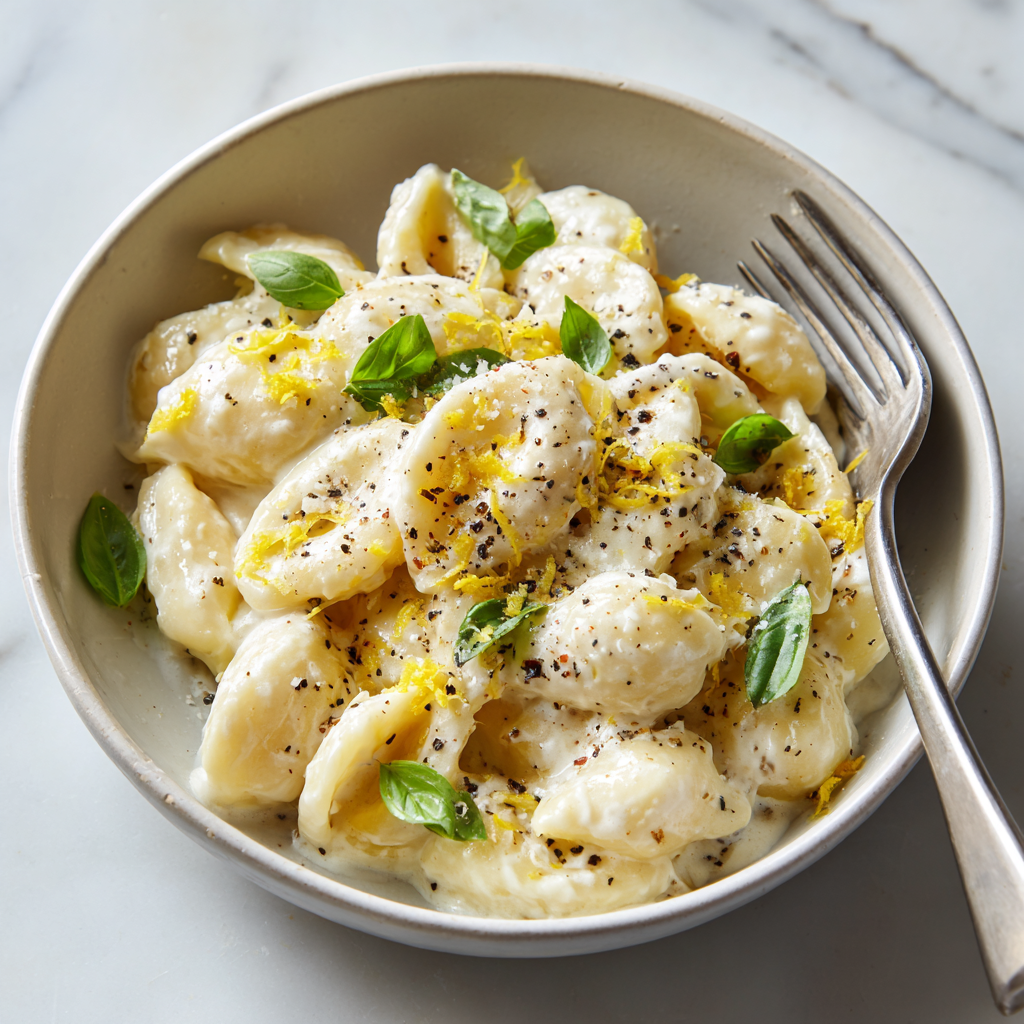
Creamy Lemon Ricotta Pasta: The “Starch-Emulsion” Method

The Science of the “No-Cook” Sauce
Unlike a traditional Alfredo or Carbonara that requires careful heat management, lemon ricotta pasta relies on a low-temperature emulsion.
- The Starch Bridge: Ricotta itself is grainy and doesn’t “melt” like mozzarella. By whisking it with hot, starchy pasta water, the starches act as a bridge, smoothing the cheese’s proteins into a velvety coating that clings to the noodles.
- The Acid Stabilization: In 2026, the “One-Pot” or “Off-Heat” method is favored because lemon juice is highly acidic. If boiled with dairy, it can cause the proteins to seize and curdle. Adding the lemon and ricotta off-heat (below 165°F or 74°C) ensures the sauce remains stable and bright.
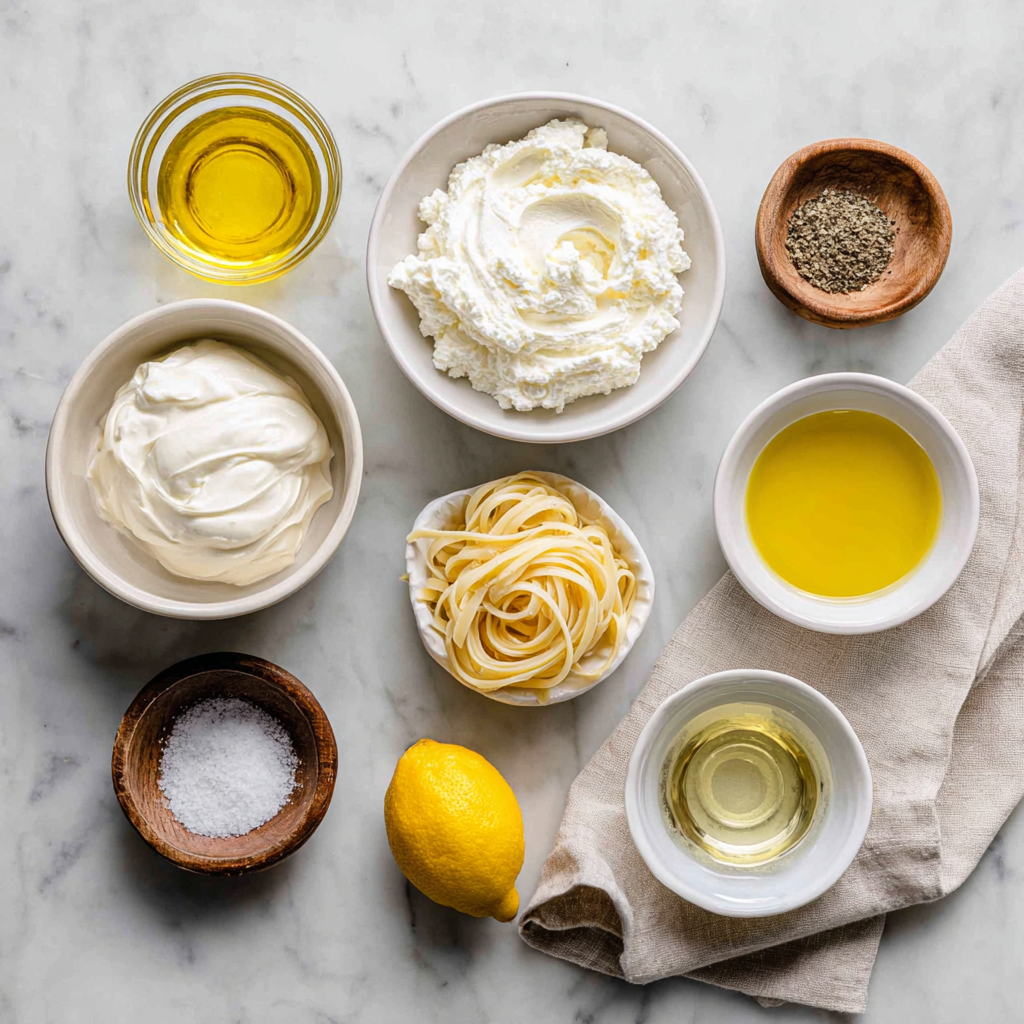
Ingredients List
- The Pasta Base:
- Pasta (1 lb / 450g): Long shapes like linguine or bucatini are classic, but ridged shapes like rigatoni catch the sauce perfectly.
- Pasta Water (1 cup, reserved): The most important “ingredient.”
- The “Silk” Components:
- Whole-Milk Ricotta (15 oz / 425g): Full-fat creates the best emulsion; low-fat can result in a grainy texture.
- Grated Parmesan or Pecorino (21 cup): Freshly grated is essential for smooth melting.
- Extra Virgin Olive Oil (41 cup).
- The Aromatics:
- Lemons (2): Both the zest and the juice.
- Garlic (2–3 cloves): Finely minced or turned into a paste.
- Fresh Baby Spinach (2–3 cups): Or Lacinato kale for more bite.
- Salt, Pepper, and Red Pepper Flakes.
Nutritional Information (Per Serving)
Based on 6 servings.
| Nutrient | Amount |
| Calories | 370–470 kcal |
| Protein | 19–22g |
| Total Fat | 12–17g |
| Net Carbohydrates | 42–46g |
Export to Sheets
Timing: The “15-Minute” Weeknight Flow
- Prep: 5 minutes.
- Cooking: 10–12 minutes (timed with the pasta).
Step-by-Step Instructions
Step 1: The Pasta Boil
Bring a large pot of heavily salted water to a boil. Cook your pasta until it is one minute under al dente.
Actionable Advice: Before draining, use a mug to scoop out at least 1 cup of pasta water. This “liquid gold” is the only thing that will make your sauce creamy.
Step 2: The Cold Emulsion
While the pasta boils, whisk the ricotta, Parmesan, olive oil, lemon juice, lemon zest, garlic, salt, and pepper in a large bowl.
- The 2026 Hack: For an ultra-smooth “viral” texture, pulse these ingredients in a blender for 30 seconds before adding the pasta water.
Step 3: The Marriage
Drain the pasta and return it to the pot (off the heat). Immediately add the spinach; the residual heat from the noodles will wilt the leaves in about 60 seconds.
Step 4: The Build
Add the ricotta mixture and 21 cup of the reserved pasta water to the pot. Stir vigorously.
- The Adjustment: If the sauce looks too thick or “clumpy,” add more pasta water 1 tablespoon at a time until the sauce is glossy and coats every strand.
Step 5: The Final Zest
Plate immediately. Garnish with more lemon zest, a crack of black pepper, and fresh basil leaves if available.
Common Mistakes to Avoid
- Rinsing the Pasta: Never rinse your pasta. You need the surface starch to help the ricotta sauce stick.
- Boiling the Ricotta: If you put the ricotta sauce on high heat, the dairy will “break” and turn watery. Always combine it off-heat or on the lowest possible setting.
- Using “Waxed” Lemons: Since the zest is a major flavor component, use organic or unwaxed lemons. If you only have waxed, scrub them under hot water first to remove the coating.
Would you like me to help you design a “Protein-Add” version of this dish using pan-seared scallops or roasted garlic chicken?