Follow Me On Social Media!
Easy Vegan Gingerbread Cookies: The “Plant-Based Elasticity” Method

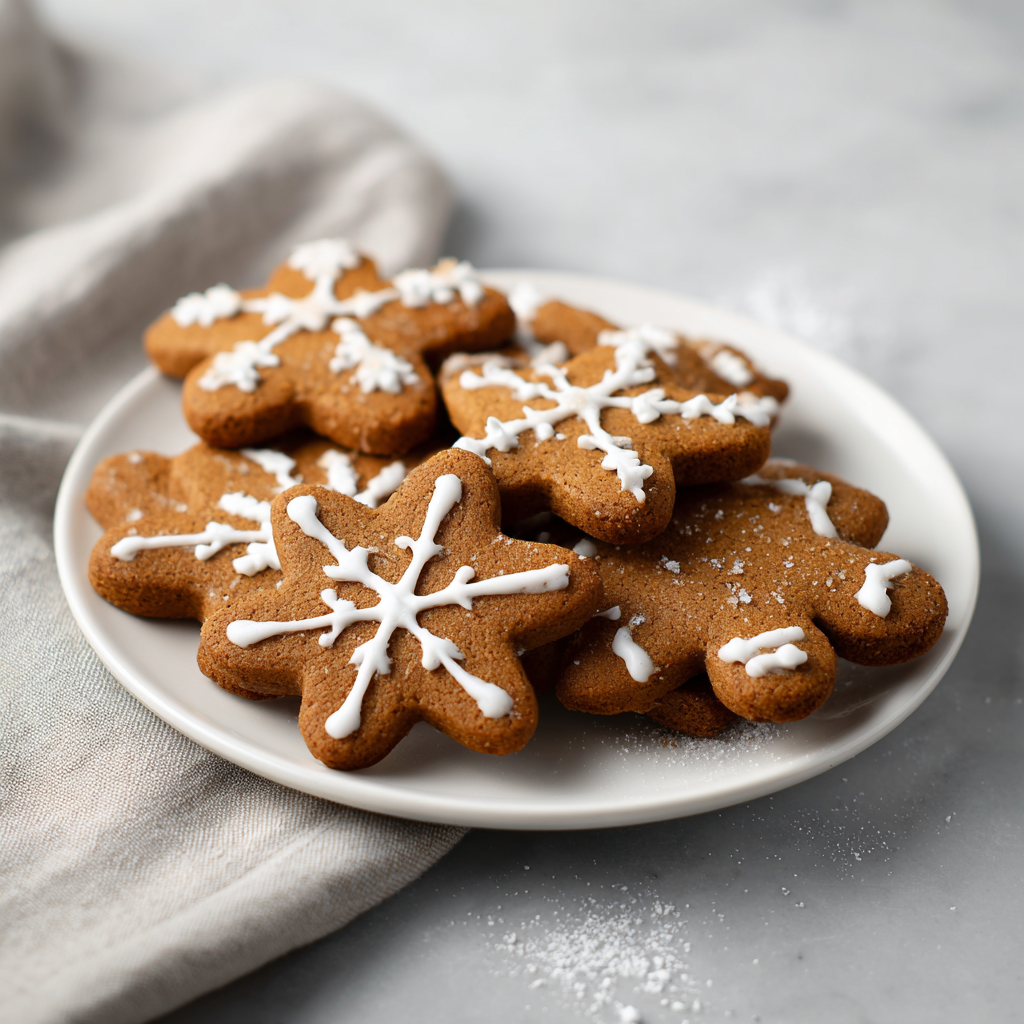
The Science of the “No-Egg” Bind
The primary challenge with vegan gingerbread is replacing the structural “snap” usually provided by eggs. In 2026, the gold standard for this is the Molasses-Emulsion.
- The Hygroscopic Bond: Molasses is naturally thick and acidic. When combined with baking soda, it creates a chemical reaction that produces tiny carbon dioxide bubbles, giving the cookie “lift” without the need for egg proteins.
- The Fat-Saturation: By using Coconut Oil (solid at room temperature) or a high-quality Vegan Butter Block, we mimic the saturated fat profile of dairy butter. This ensures the cookies hold their “Gingerbread Man” shape perfectly without spreading or becoming brittle.
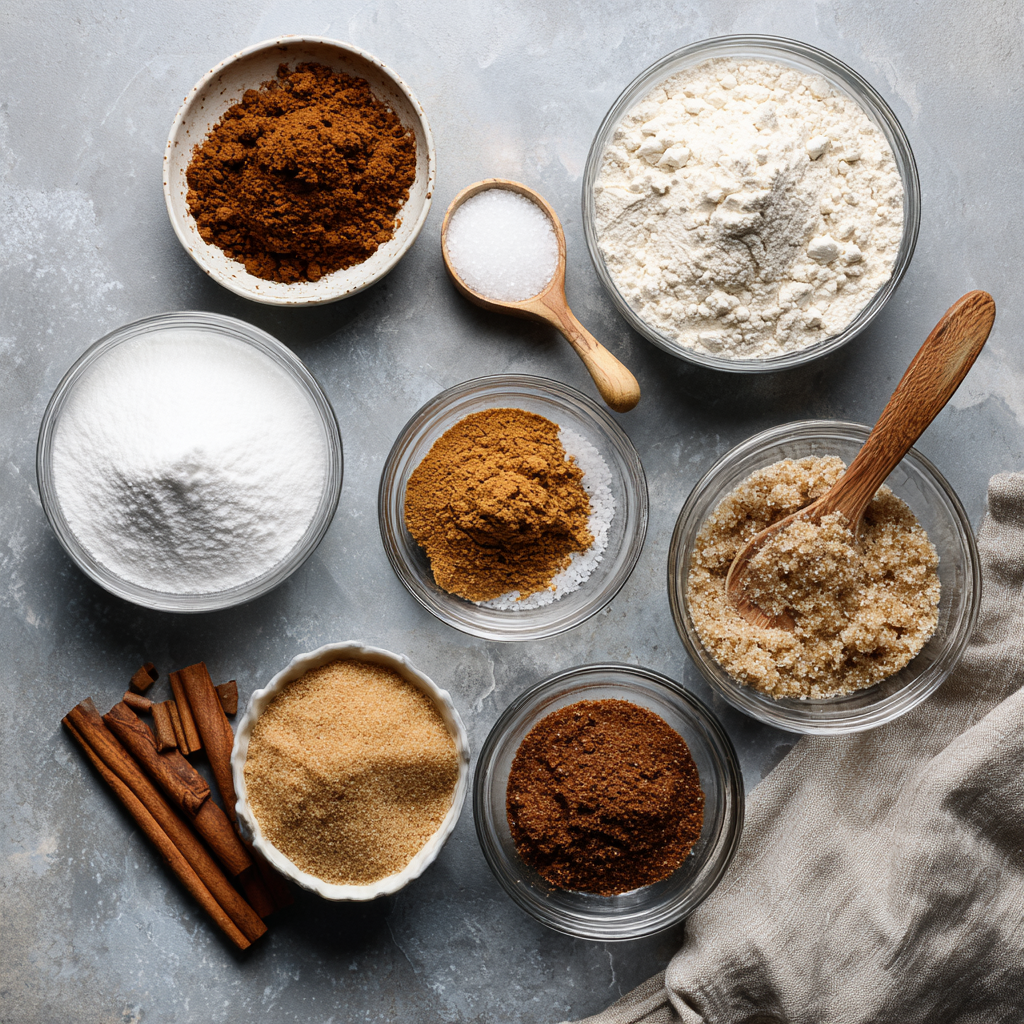
Ingredients List
- The Spice & Flour Core:
- All-Purpose Flour (3 cups).
- Ground Ginger (1 tbsp): For that classic bite.
- Cinnamon (1 tsp) & Ground Cloves (21 tsp).
- Baking Soda (1 tsp) & Salt (21 tsp).
- The “Glue” (Wet Ingredients):
- Vegan Butter ( 43 cup, softened): Use a block/stick variety.
- Brown Sugar ( 43 cup, packed): Adds moisture and deep color.
- Molasses (21 cup): Unsulphured (this acts as your primary binder).
- Vanilla Extract (1 tsp).
Nutritional Information (Per Cookie)
Based on 24 medium cookies.
| Nutrient | Amount |
| Calories | 135 kcal |
| Total Fat | 6g |
| Net Carbohydrates | 19g |
| Protein | 1.5g |
Export to Sheets
Timing: The “Firm-Set” Chill
- Prep: 15 minutes.
- Chilling: 2 hours (Non-negotiable for clean edges).
- Baking: 8–10 minutes.
Step-by-Step Instructions
Step 1: The Creaming Phase
Beat the vegan butter and brown sugar until smooth. Add the molasses and vanilla. The mixture should look dark, glossy, and thick.
Actionable Advice: If your molasses has crystallized, warm it slightly before adding it to ensure it integrates smoothly into the fat.
Step 2: The Dry Integration
Whisk your flour, soda, and spices in a separate bowl. Gradually add to the wet mix. The dough will be stiff—you may need to finish mixing by hand or with a sturdy silicone spatula.
Step 3: The Cold Cure
Divide the dough into two discs, wrap in plastic, and refrigerate for at least 2 hours.
- The Science: Chilling allows the flour to fully hydrate and the fats to solidify. If the dough is warm, the cookies will be difficult to cut and won’t hold their intricate details (like fingers or toes on a gingerbread man).
Step 4: Roll and Cut
Roll the dough on a lightly floured surface to 41-inch thickness. Use cookie cutters to create your shapes.
Step 5: The “Soft-Snap” Bake
Bake at 350°F (175°C) for 8–10 minutes.
- The Pro-Tip: For a softer cookie, pull them at 8 minutes. For a traditional “snap,” go to 10 minutes. They will look matte on top when finished.
Common Mistakes to Avoid
- Over-flouring the Surface: If you use too much flour while rolling, the cookies will turn grey and dry. Use powdered sugar or roll the dough between two sheets of parchment paper instead.
- Warm Trays: Never place vegan dough on a hot baking sheet from the previous batch. The bottom will melt before the top sets, leading to “bloated” gingerbread men.
- Skipping the Soda: The baking soda reacts with the acidic molasses. Without it, your cookies will be as hard as rocks.
The 2026 Finishing Touch: Vegan Royal Icing
Mix 2 cups powdered sugar with 2 tbsp aquafaba (liquid from a chickpea can) and 21 tsp lemon juice. This creates a high-gloss, pipeable icing that dries hard without using egg whites.
Would you like me to help you create a “Gingerbread House Template” to use with this specific dough recipe?