Follow Me On Social Media!
Easy Gluten Free Vegan Sugar Cookies: The “Starch-Fiber” Matrix

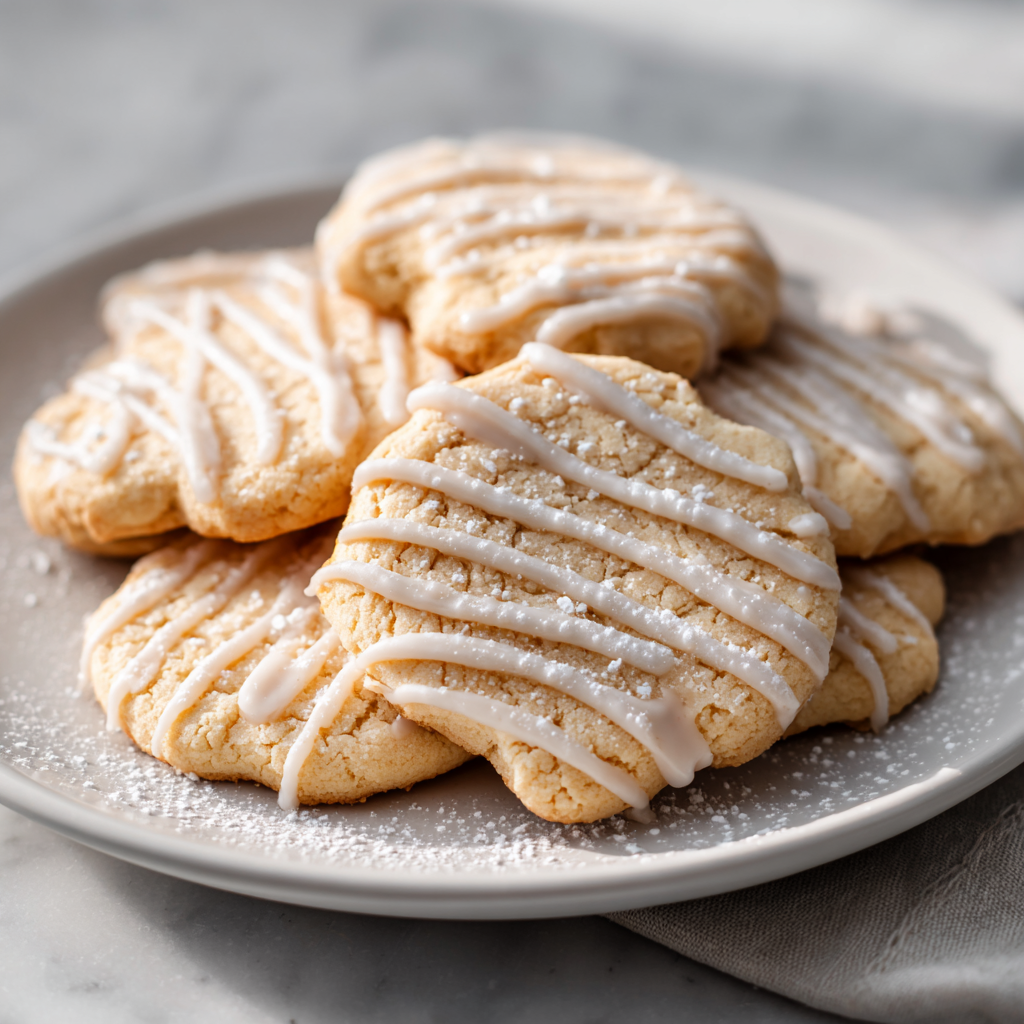
The Science of the “Non-Wheat” Snap
In traditional cookies, gluten provides the elastic “tether” that holds the cookie together. In this 2026 refined gluten-free and vegan method, we replace that structural integrity with a Polysaccharide Network.
- The Binder: Instead of eggs, we use Aquafaba (the liquid from a can of chickpeas). This liquid contains a unique mix of starches and proteins that mimic the “lift” and “stick” of egg whites.
- The Flour Balance: Gluten-free blends often feel “gritty.” By using a blend with Xanthan Gum, we create a synthetic gluten network that allows the cookie to be rolled and cut without shattering.
Ingredients List
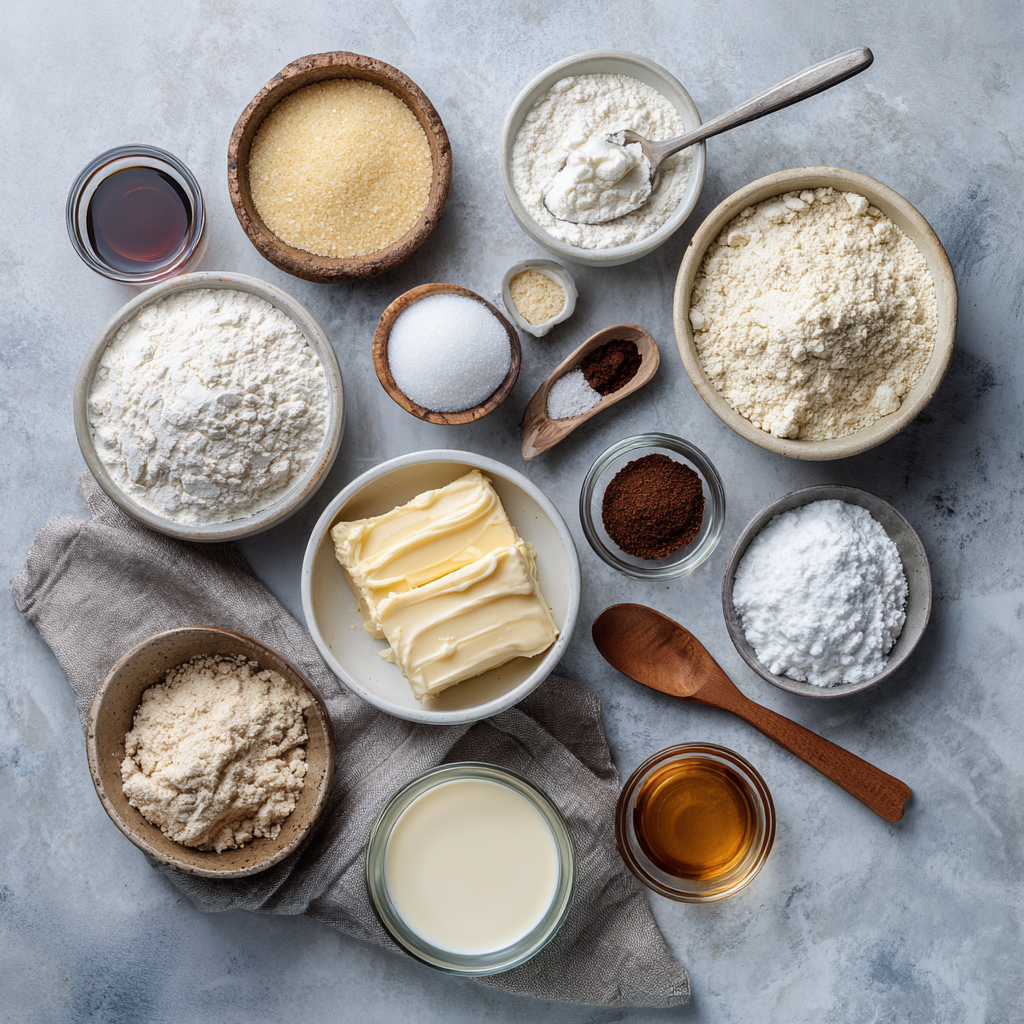
- The “Flour” Base:
- Gluten-Free 1-to-1 Flour Blend (2 cups): Ensure it contains Xanthan Gum.
- Almond Flour (21 cup): For a rich, buttery mouthfeel without dairy.
- The Vegan “Fats”:
- Vegan Butter Sticks (43 cup, softened): Use sticks rather than “tub” butter for better stability.
- The Sweetener & Binder:
- Organic Cane Sugar (43 cup).
- Aquafaba (3 tbsp): Unwhipped, directly from the can.
- Vanilla Extract (2 tsp) & Almond Extract (41 tsp).
- The Lift:
- Baking Powder (1 tsp).
Nutritional Information (Per Cookie)
Based on 18 cookies.
| Nutrient | Amount |
| Calories | 140 kcal |
| Total Fat | 8g |
| Net Carbohydrates | 16g |
| Protein | 2g |
Export to Sheets
Timing: The “Hydration” Protocol
- Prep: 15 minutes.
- Chilling: 1 hour (Mandatory for GF flours to hydrate).
- Baking: 10–12 minutes.
Step-by-Step Instructions
Step 1: The Creaming Phase
Beat the vegan butter and sugar until pale and fluffy.
Actionable Advice: Because vegan butter has a different melting point than dairy, do not over-beat, or the mixture will become too warm and greasy.
Step 2: The Aquafaba Emulsion
Add the aquafaba and extracts. Mix until the liquid is fully incorporated and the batter looks glossy.
Step 3: The Dry Integration
Whisk your GF flour, almond flour, and baking powder. Gradually add to the wet mix. The dough should be soft but not stick to your fingers. If it’s too sticky, add 1 extra tbsp of GF flour.
Step 4: The Mandatory Chill
Wrap the dough and refrigerate for at least 1 hour.
- The Science: Gluten-free flours (especially rice-based ones) take longer to absorb moisture. If you bake immediately, the cookies will be “gritty.” Chilling ensures a smooth, melt-in-your-mouth texture.
Step 5: Roll & Cut
Roll the dough between two sheets of parchment paper to a 41-inch thickness. Use your favorite cookie cutters.
Bake at 350°F (175°C) for 10–12 minutes until the edges are just barely firm.
Common Mistakes to Avoid
- Flour Substitutions: Do not use straight coconut flour; it will absorb all the moisture and turn the cookies into sand. Stick to a 1-to-1 GF blend.
- Warm Dough: If the dough gets warm while cutting, put the whole sheet back in the fridge for 10 minutes. Cold dough holds the “cut-out” shape much better.
- Over-baking: These cookies won’t turn deep golden brown like traditional ones. Take them out when they look pale and matte on top.
The “2026 Twist”
Dip half of the cooled cookie in a simple Lemon-Glazed Icing (Powdered sugar + lemon juice) and sprinkle with dried culinary lavender for a sophisticated floral finish.