Follow Me On Social Media!
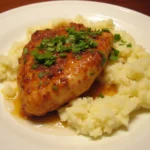
30-Minute Chicken Francese: The “Velvet-Sear” Technique

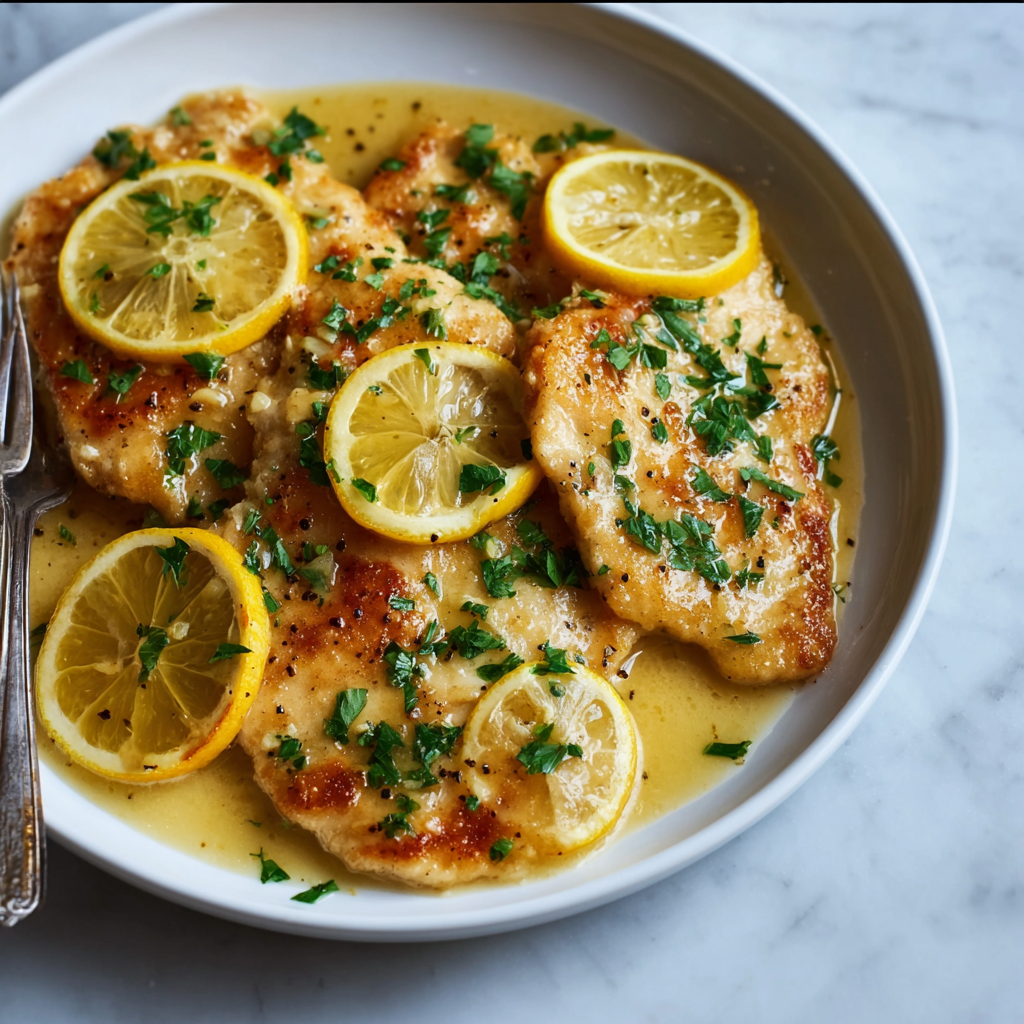
The Secret of the “Reverse” Breading
Did you know that Chicken Francese (or Francaise) is a classic Italian-American dish that flips traditional breading logic on its head? While most fried chicken uses an “Egg-then-Flour” sequence to create a crunch, Francese uses a “Flour-then-Egg” sequence.
This creates a delicate, golden “crepe-like” coating that acts as a sponge for the lemon-butter sauce. The flour creates a bond with the meat, while the egg wash forms a silky exterior that undergoes the Maillard reaction without becoming a hard crust. The result is a “velvet” texture that allows the bright acidity of the lemon to shine through.
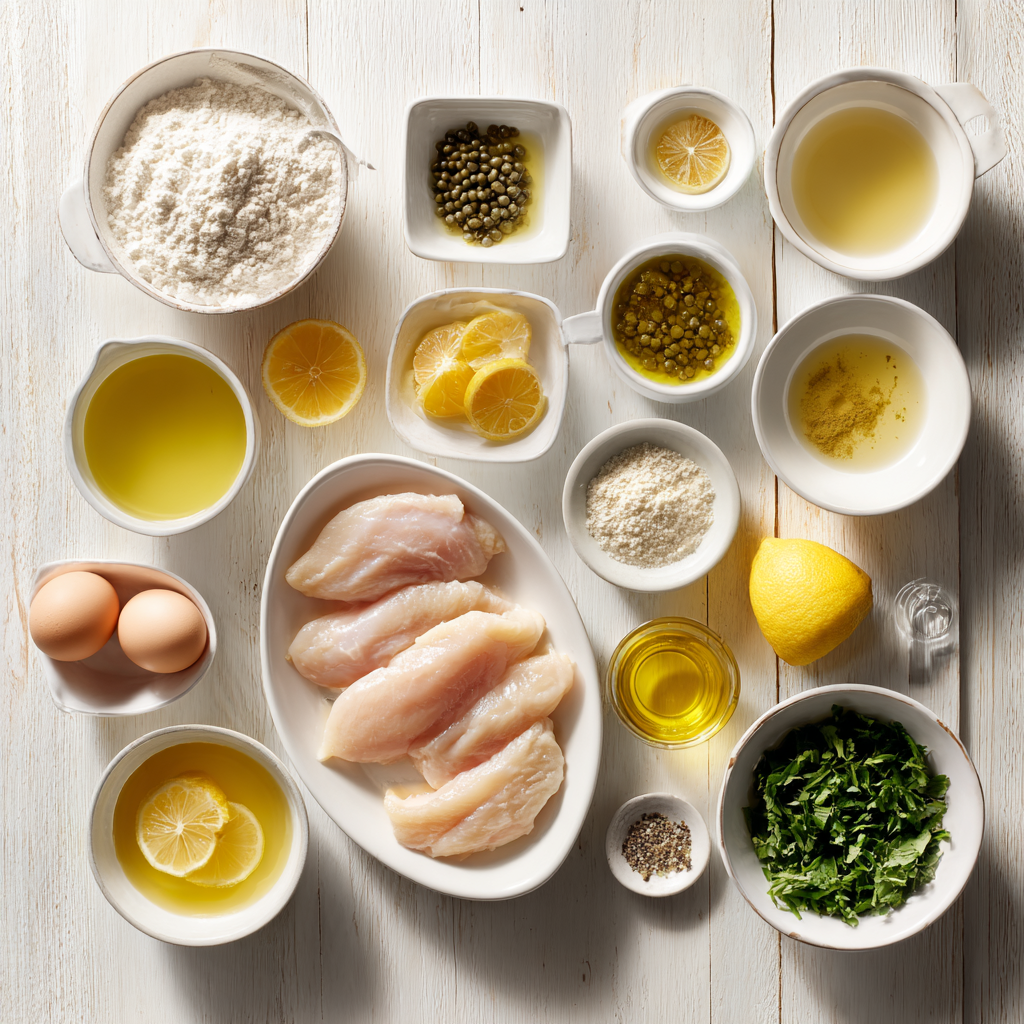
Ingredients List
- The Protein:
- Chicken Breasts (1 lb): Sliced into thin cutlets and pounded to 1/4-inch thickness.
- The Coating Station:
- All-Purpose Flour (21 cup): Seasoned with salt and pepper.
- Eggs (3): Beaten with 2 tbsp grated Parmesan and 1 tbsp fresh parsley.
- The “Francese” Sauce:
- Chicken Broth (21 cup).
- Dry White Wine (41 cup): Such as Pinot Grigio or Sauvignon Blanc.
- Fresh Lemon Juice (3 tbsp) & Lemon Slices (4–5).
- Unsalted Butter (3 tbsp): Cold.
- Cooking Fat:
- Olive Oil (2 tbsp).
Timing: High-Speed Elegance
Total time investment: 30 minutes.
- Prep & Pounding: 10 minutes.
- The Searing: 10 minutes.
- Sauce Reduction: 10 minutes.
Step-by-Step Instructions
Step 1: The Uniform Thickness
Place your chicken cutlets between two sheets of plastic wrap and pound them with a meat mallet.
Actionable Advice: Aim for a uniform 1/4-inch thickness. This ensures the chicken cooks in exactly 4 minutes, preventing the delicate egg coating from burning while waiting for the center to finish.
Step 2: The Reverse Dredge
Dredge the chicken in the seasoned flour, shaking off the excess. Then, dip it into the egg/Parmesan mixture.
- Expert Insight: Let the excess egg drip off for a second before hitting the pan. You want a coating, not a puddle.
Step 3: The Golden Sear
Heat olive oil in a large skillet over medium-high heat. Add the chicken (do not crowd the pan). Cook for 2–3 minutes per side until golden brown. Remove the chicken to a plate.
Step 4: The Deglaze
In the same pan, add the wine, lemon juice, and chicken broth. Scrape the bottom of the pan to release the fond (the flavorful brown bits).
- The Simmer: Add the lemon slices and simmer for 5 minutes until the liquid reduces by half.
Step 5: The Emulsion (The “Finish”)
Turn the heat to low. Whisk in the cold butter one tablespoon at a time.
- The Science: Using cold butter and whisking slowly creates an emulsion, resulting in a thick, glossy sauce rather than a greasy puddle. Return the chicken to the pan for 1 minute to coat.
Nutritional Information (Per Serving)
- Calories: 385 kcal.
- Protein: 32g.
- Total Fat: 21g.
- Carbohydrates: 12g.
Common Mistakes to Avoid
- Skipping the Pounding: If the chicken is too thick, the egg coating will overcook and turn “rubbery” before the chicken is safe to eat.
- Using “Cooking Wine”: These are often loaded with salt. Use a wine you would actually drink; the acidity is much cleaner.
- High Heat for Butter: If the pan is too hot when you add the butter at the end, the sauce will “break” and become oily. Low and slow for the finish!
Serving Suggestion
Serve this over a bed of Angel Hair pasta or with a side of Garlicky Sautéed Spinach. The pasta is the perfect vehicle to soak up that velvety lemon-butter sauce.
Would you like me to help you choose a specific wine pairing that complements the citrus notes of this dish?