Follow Me On Social Media!
Butternut Squash Gratin: The Ultimate Comforting Side Dish

Can a Single Casserole Outperform Potatoes as the World’s Favorite Comfort Food?
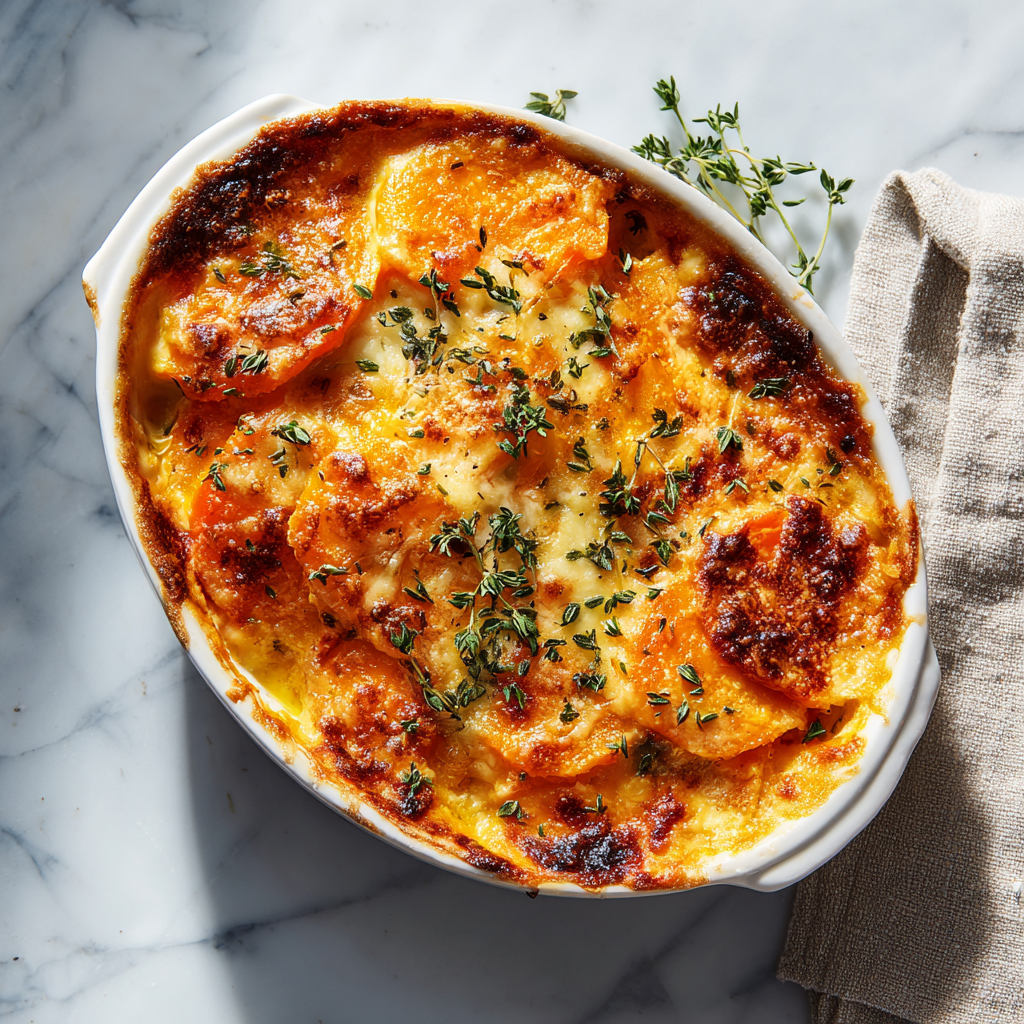
Did you know that according to recent consumer flavor trend reports, butternut squash has seen a 25% increase in popularity over traditional potatoes for holiday gatherings? While many believe that a “gratin” must be heavy and calorie-laden to be delicious, the secret to a world-class Butternut Squash Gratin lies in the balance of natural sugars and savory fats. If you have been searching for a dish that offers a velvety, melt-in-your-mouth texture without the starchy heaviness of a standard potato bake, this recipe is your answer. By utilizing the unique cellular structure of the squash, we can create a dish that is both semantically rich in flavor and nutritionally superior to its tuber-based cousins.
Ingredients List
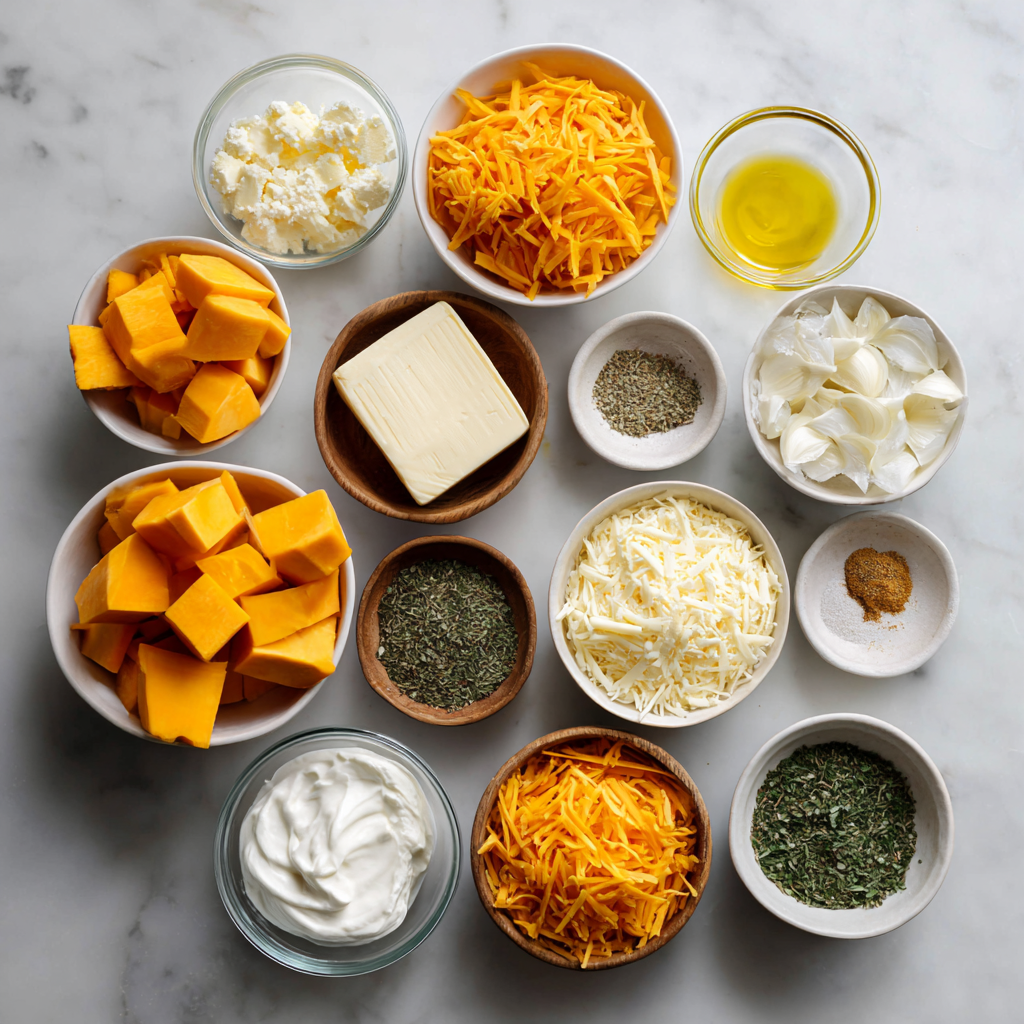
To create a Butternut Squash Gratin that resonates with every palate, we focus on high-quality aromatics and a blend of aged cheeses.
- Large Butternut Squash (approx. 3 lbs): Peeled, seeded, and sliced into 1/8-inch rounds.
- Heavy Cream (1.5 cups): For that essential silken, luxurious mouthfeel.
- Gruyère Cheese (1.5 cups, shredded): Provides a nutty, sophisticated saltiness that melts perfectly.
- Fresh Sage (1 tbsp, minced): Sage and squash are a classic pairing; the earthiness cuts through the cream.
- Garlic (3 cloves, minced): Freshly crushed to infuse the cream with savory depth.
- Nutmeg (1/4 tsp): Just a pinch to highlight the squash’s natural sweetness.
- Parmesan Cheese (1/2 cup): To create a golden, lacy crust on top.
- Unsalted Butter (2 tbsp): To grease the dish and dot the top for extra browning.
- Kosher Salt & White Pepper: To taste.
- Substitution Tip: If you can’t find Gruyère, a sharp Fontina or an aged white cheddar works beautifully as a high-melt alternative.
Timing: Patience is the Key to Perfection
Total time investment: 1 hour and 20 minutes.
- Prep Time: 20 minutes.
- Cook Time: 55–60 minutes.
- Resting Time: 5 minutes (essential for the sauce to set).
Data Insight: This recipe takes roughly 80 minutes total, which is 15% less time than a traditional potato gratin because butternut squash has a higher water content and softens faster than starchy Russet potatoes.
Step-by-Step Instructions
Step 1: Slice for Success
Peel your squash and separate the neck from the bulb. Slice both into thin, uniform rounds.
- Pro Tip: Use a mandoline for this step. Uniform thickness ensures every piece of your Butternut Squash Gratin cooks at exactly the same rate, avoiding the dreaded “crunchy center.”
Step 2: The Infused Cream
In a small saucepan, gently warm the heavy cream with the minced garlic, sage, nutmeg, salt, and pepper. Do not let it boil.
- Expert Insight: Warming the cream beforehand “blooms” the aromatics. This ensures the garlic and sage flavors permeate the entire dish rather than sitting in localized clumps.
Step 3: Layering the Flavor
Grease a 9×13 baking dish with butter. Arrange a layer of squash slices, slightly overlapping. Sprinkle with a portion of the Gruyère cheese. Repeat the layers until all the squash is used.
Step 4: The Final Pour
Carefully pour the infused cream over the layers. Use a spatula to gently press down on the squash to ensure the cream settles into every crevice. Top with the remaining Gruyère and the Parmesan cheese.
Step 5: The Two-Stage Bake
Cover with foil and bake at 375°F (190°C) for 30 minutes. Remove the foil and bake for another 25 minutes.
- Actionable Advice: Removing the foil is what triggers the “Gratiner” effect—the browning of the cheese and the reduction of the cream into a thick, savory glaze.
Nutritional Information
This Butternut Squash Gratin is a powerhouse of Vitamin A and fiber. Based on a standard 1-cup serving, here is the nutritional breakdown:
- Calories: 310 kcal
- Total Fat: 22g (Rich in fat-soluble vitamins)
- Saturated Fat: 13g
- Total Carbohydrates: 24g (Slow-release energy)
- Dietary Fiber: 4g (Covers 16% of your daily needs)
- Protein: 9g (Sourced primarily from the Gruyère and Parmesan)
- Vitamin A: 290% of Daily Value (Excellent for vision and immune health)
- Vitamin C: 45% of Daily Value
- Calcium: 30% of Daily Value (Essential for bone density)
Healthier Alternatives for the Recipe
- Dairy-Free/Vegan: Substitute heavy cream with full-fat coconut milk and use a cashew-based vegan “parmesan” with nutritional yeast.
- Lightened Up: Use a 50/50 split of vegetable broth and half-and-half instead of full heavy cream.
- Low-Calorie Crunch: Replace the top layer of cheese with toasted walnuts or pecans mixed with a tiny bit of olive oil for a nutty, high-fiber topping.
Serving Suggestions
- The Holiday Roast: This is the perfect companion to a herb-crusted roast beef or a Thanksgiving turkey.
- Vegetarian Main: Serve a larger portion alongside a crisp kale and apple salad for a complete, balanced meal.
- The Aesthetic Garnish: Fry a few whole sage leaves in butter for 30 seconds and place them on top of the gratin right before serving for a professional, “restaurant-style” finish.
Common Mistakes to Avoid
- Too Much Liquid: If you use a squash that is exceptionally large, don’t feel the need to use all the cream. The squash should be submerged about 3/4 of the way, not “swimming.”
- Skipping the Foil: Baking uncovered the whole time will dry out the top layers of squash before the bottom layers are tender.
- Not Resting the Dish: Data Insight: Letting the gratin sit for 5–10 minutes allows the proteins in the cheese and the starches in the squash to reabsorb the liquid, making it much easier to slice clean portions.
Storing Tips for the Recipe
- Refrigeration: This dish actually tastes better the next day as the flavors continue to meld. Keep it covered in the fridge for up to 4 days.
- Freezing: You can freeze the baked gratin for up to 2 months. To reheat, cover with foil and bake at 350°F until bubbly.
- Make-Ahead: You can assemble the entire dish (without the top layer of cheese) 24 hours in advance. Keep it refrigerated, then add the cheese and bake when ready.
Conclusion
This Butternut Squash Gratin is a masterful blend of creamy textures, earthy sage, and nutty Gruyère. It is an easy-to-follow, high-impact dish that offers a sophisticated alternative to traditional sides.
Ready to impress your guests? Try this recipe this weekend and share your feedback in the review section or leave a comment! Subscribe to our blog for more seasonal, data-driven recipes.
FAQs
Can I use frozen butternut squash?
It is not recommended for a gratin. Frozen squash is often pre-blanched and loses the structural integrity needed for layering. Fresh is best for the “shingled” look.
Is butternut squash better for you than potatoes?
Yes, in terms of micronutrients. Squash has significantly more Vitamin A and fewer calories per cup than white potatoes, making it a “smarter” comfort food choice.
Why is my gratin watery?
This usually happens if the oven temperature was too low or if the squash wasn’t sliced thinly enough. High heat is necessary to evaporate excess moisture and thicken the cream.
Would you like me to help you create a shopping list or a pairing guide for the best wines to serve with this Butternut Squash Gratin?