Follow Me On Social Media!
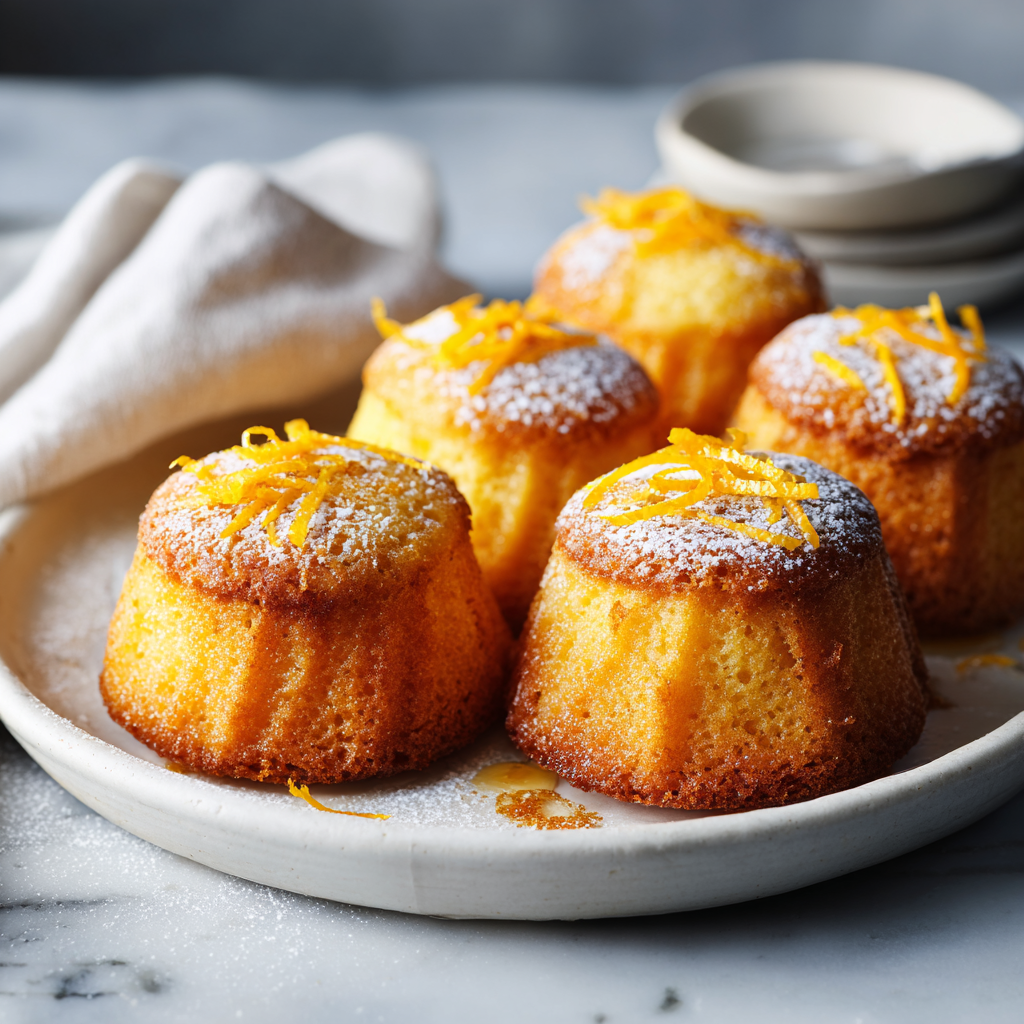
Orange Ginger Honey Cakes: The Ultimate Winter Immunity Treat

Introduction
Did you know that during the flu season, consumer purchases of ginger and citrus increase by over 70%? We naturally gravitate toward ingredients that warm us from the inside out. But why drink a medicinal tea when you can eat it in cake form?
These Orange Ginger Honey Cakes are the perfect intersection of pastry and pharmacy. They combine the bright, floral acidity of fresh orange zest with the spicy, warming heat of ginger and the humectant properties of honey. Unlike standard vanilla sponges that dry out quickly, the chemistry of honey (which is hygroscopic) pulls moisture from the air, ensuring these mini cakes stay sticky and tender for days. In this guide, we will explore the technique of “zest rubbing” to maximize citrus oil extraction, why fresh ginger beats powdered every time, and how to achieve that stunning golden glaze.
Ingredients List
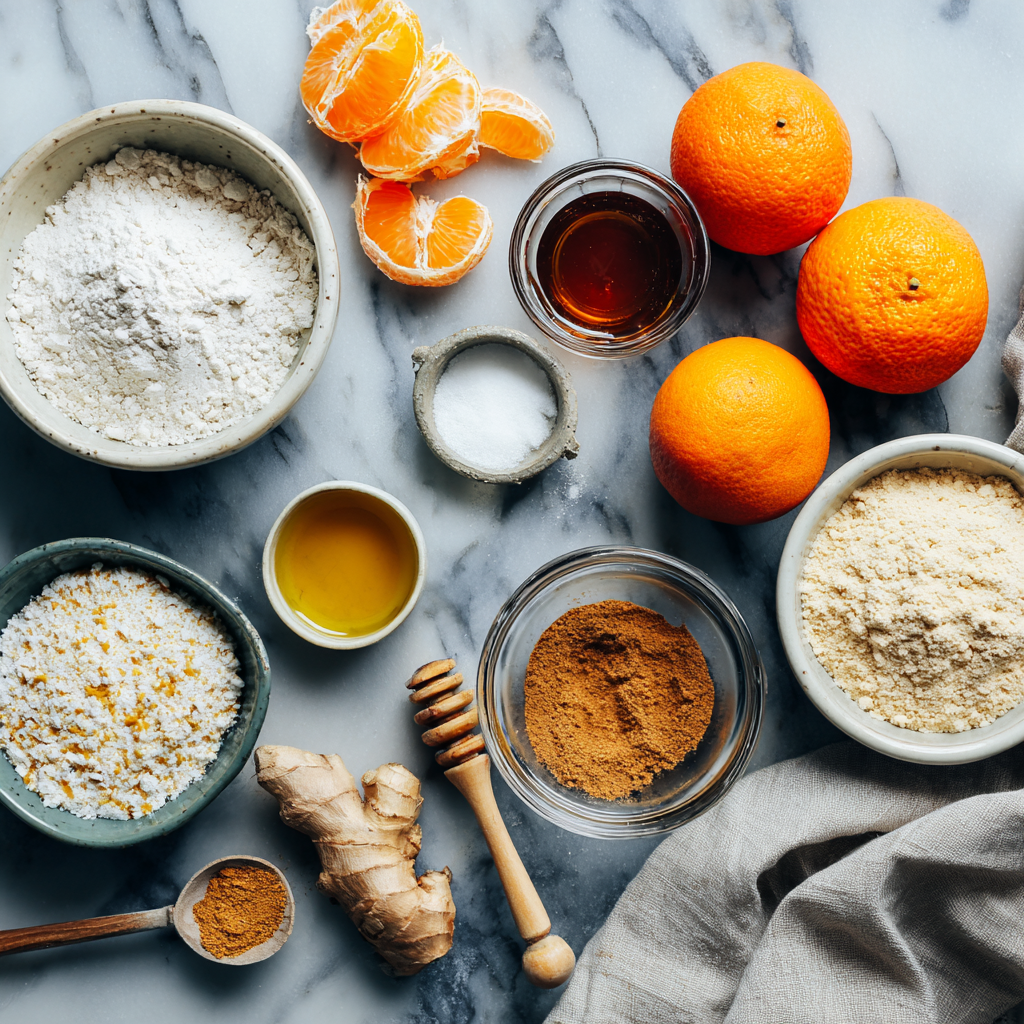
To achieve the complex spicy-sweet profile, we need fresh aromatics.
The Wet Ingredients
- Honey (½ cup):
- Varietal: Use a robust honey like Wildflower or Orange Blossom. The flavor will survive the baking process better than mild clover honey.
- Fresh Orange Juice (½ cup) & Zest (1 tbsp):
- Source: You will need about 2 medium Navel or Cara Cara oranges. Do not use bottled juice; the enzymes in fresh juice tenderize the crumb.
- Fresh Ginger (1 tbsp, freshly grated):
- The Kick: Peel the root and use a microplane. This ensures you get the spicy juice without fibrous chunks.
- Unsalted Butter (½ cup / 1 stick): Melted and cooled slightly.
- Greek Yogurt (¼ cup): Adds protein and acidity to activate the baking soda.
- Eggs (2 large): Room temperature.
- Vanilla Extract (1 tsp): To round out the sharp flavors.
The Dry Ingredients
- All-Purpose Flour (1 ½ cups): Spooned and leveled.
- Brown Sugar (¼ cup): Just a touch to deepen the color.
- Baking Powder (1 tsp) & Baking Soda (½ tsp): A dual-leavening attack for maximum lift.
- Salt (½ tsp): Essential to pop the citrus flavor.
- Ground Cardamom (½ tsp): Optional secret weapon. It bridges the gap between the orange and ginger perfectly.
Timing
These are quick-bread style cakes, meaning no mixer is required.
- Prep Time: 20 minutes
- Cook Time: 18–22 minutes
- Cooling Time: 10 minutes
- Total Time: Approx. 50 minutes
- Efficiency Stat: Using the “muffin method” (mixing wet and dry separately) reduces cleanup time and prevents over-development of gluten, keeping the cakes tender.
Step-by-Step Instructions
Step 1: The Flavor infusion (H3)
Preheat oven to 350°F (175°C). Grease a muffin tin or mini-bundt pan generously. In a large bowl, combine the brown sugar and orange zest.
Step 2: The Wet Mix (H3)
Whisk the melted butter, honey, eggs, yogurt, fresh ginger, orange juice, and vanilla into the orange sugar mixture. Whisk vigorously until the mixture is emulsified and smooth.
Step 3: The Dry Fold (H3)
In a separate small bowl, whisk together the flour, baking powder, baking soda, salt, and cardamom. Pour the dry ingredients into the wet bowl.
- The Fold: Switch to a spatula. Fold gently just until the flour disappears. Do not overmix. Lumps are acceptable. Overmixing kills the bubbles and makes the cakes rubbery.
Step 4: The Bake (H3)
Divide the batter evenly among the prepared tins (fill about ¾ full). Bake for 18–22 minutes.
- Doneness Cue: The tops should be golden brown and spring back when pressed gently. A toothpick inserted into the center should come out clean.
Step 5: The Honey Glaze (H3)
While the cakes bake, warm 2 tbsp of honey and 1 tbsp of orange juice in the microwave for 15 seconds.
- The Soak: When the cakes come out of the oven, brush this warm syrup over the hot cakes immediately. This locks in moisture and gives them a bakery-style shine.
Nutritional Information
A sweet treat with functional benefits.
Per Cake (Yields 12):
- Calories: ~180 kcal
- Total Fat: 8g
- Carbohydrates: 26g
- Sugars: 16g
- Protein: 3g
- Vitamin C: 12% DV
Data Insight: Ginger contains gingerol, a bioactive compound with powerful anti-inflammatory and antioxidant effects, making this a smarter choice than a standard cupcake during winter months.
Healthier Alternatives for the Recipe
Adjust the recipe to fit your dietary needs while keeping the zest.
- Gluten-Free:
- Swap: Use a 1:1 Gluten-Free Flour Blend (with almond flour mixed in). The almond meal pairs beautifully with orange and keeps the cake moist.
- Dairy-Free:
- Swap: Replace butter with melted Coconut Oil and yogurt with a dairy-free yogurt (coconut or almond based).
- Refined Sugar-Free:
- Swap: Omit the brown sugar entirely and increase the honey by 2 tablespoons. The texture will be slightly denser but equally delicious.
- Whole Grain:
- Swap: Use White Whole Wheat Flour or Spelt flour. The nutty flavor of spelt compliments ginger well.
Serving Suggestions
These cakes are versatile enough for breakfast or dessert.
Garnish: Top with crystallized ginger pieces or candied orange peel for a crunchy finish.
The Tea Pairing: Serve with a cup of Earl Grey or Chamomile Tea. The bergamot in Earl Grey echoes the orange notes.
Cream Topping: A dollop of Mascarpone cheese or Greek yogurt mixed with a little honey balances the spice.
Common Mistakes to Avoid
Here is why fruit-based cakes can sometimes fail.
- The “Bitter” Bite:
- Mistake: Zesting too deep into the white pith of the orange.
- Result: A bitter, metallic aftertaste.
- Fix: Zest lightly. You only want the bright orange outer layer.
- Sinking Centers:
- Mistake: Opening the oven door too early or expired leavening agents.
- Result: The structure collapses before setting.
- Fix: Check the expiration date on your baking soda and keep the oven door shut for at least 15 minutes.
- Soggy Bottoms:
- Mistake: Letting the cakes sit in the pan too long.
- Result: The steam gets trapped and makes the crust wet.
- Fix: Remove from the pan after 5 minutes of cooling.
Storing Tips for the Recipe
Honey is a natural preservative, so these keep well.
Wrap individual cakes in plastic wrap and freeze for up to 3 months. Thaw at room temperature. Glaze after thawing for the best look.
Room Temperature: Store in an airtight container for up to 3 days. The honey will actually make the cakes moister on day 2.
Refrigerator: Not recommended, as it can dry out the crumb. Only refrigerate if you live in a very humid climate.
Freezing:
Conclusion
Orange Ginger Honey Cakes are sunshine on a plate. They offer a sophisticated flavor profile—citrusy, spicy, and floral—that feels comforting and restorative. By using fresh juice and zest, you achieve a brightness that artificial flavorings simply cannot mimic. Whether you need a pick-me-up on a rainy afternoon or a unique addition to a brunch spread, these little cakes deliver big flavor.
Ready to boost your baking game? Grab your microplane and get zesting! If you try this recipe, leave a comment below letting us know if you added the cardamom twist, and subscribe for more seasonal baking guides.
FAQs
1. Can I use powdered ginger instead of fresh? You can, but the flavor profile changes. Powdered ginger is warmer and earthier, while fresh ginger is spicy and citrusy. If using powder, reduce the amount to 1 teaspoon as it is more concentrated.
2. Can I make this as a loaf cake instead of muffins? Yes. Pour the batter into a greased 8×4 inch loaf pan. You will need to increase the baking time to 45–55 minutes. Check for doneness with a skewer.
3. Why did my cakes turn out dense? This is usually due to overmixing the batter (developing gluten) or using old baking powder. Ensure you fold the dry ingredients in gently by hand, not with an electric mixer.
4. Can I use blood oranges? Absolutely! Blood oranges will give the batter a darker, slightly berry-like flavor and a beautiful pinkish hue to the glaze. They are a fantastic seasonal upgrade.