Follow Me On Social Media!
Authentic Huevos Rancheros: The Ultimate Mexican Breakfast

Introduction
Did you know that “savory breakfast” searches have outpaced sweet breakfast queries by 22% in the last year? We are collectively waking up to the fact that starting the day with protein and spice provides sustained energy that sugary pancakes simply cannot match. Yet, many home cooks are hesitant to try Huevos Rancheros (Rancher’s Eggs) because they’ve only seen the sad, cheese-drowned versions at Tex-Mex diners.
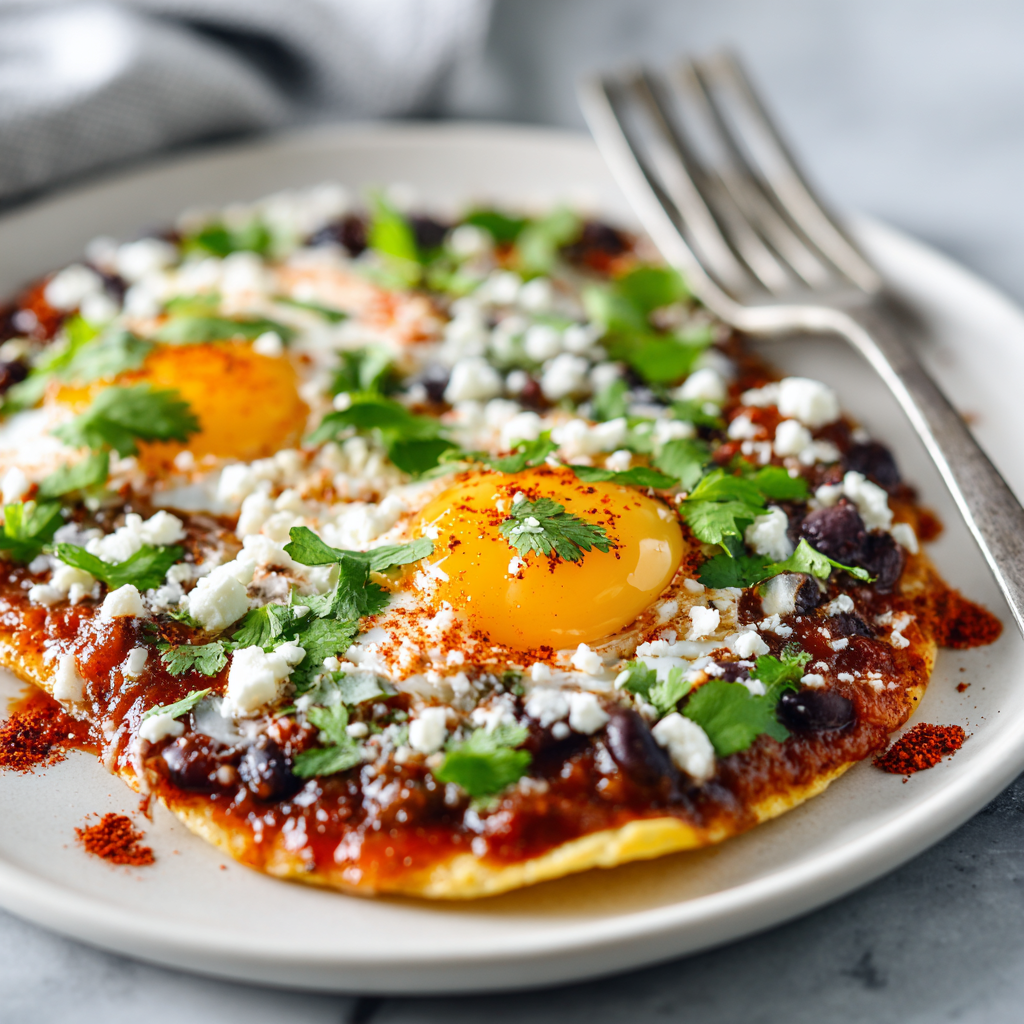
Real, authentic Huevos Rancheros is a study in simplicity and texture. It dates back to 16th-century Mexican farms, where it served as a hearty mid-morning meal to sustain laborers. It isn’t a casserole; it is a composed dish featuring a lightly fried corn tortilla, a layer of refried beans, a perfect sunny-side-up egg, and a warm, roasted tomato-chili sauce (salsa ranchera). In this guide, we will break down the science of the perfect “soft fry” for tortillas, how to roast your salsa for maximum umami, and why temperature contrast is the secret to this iconic dish.
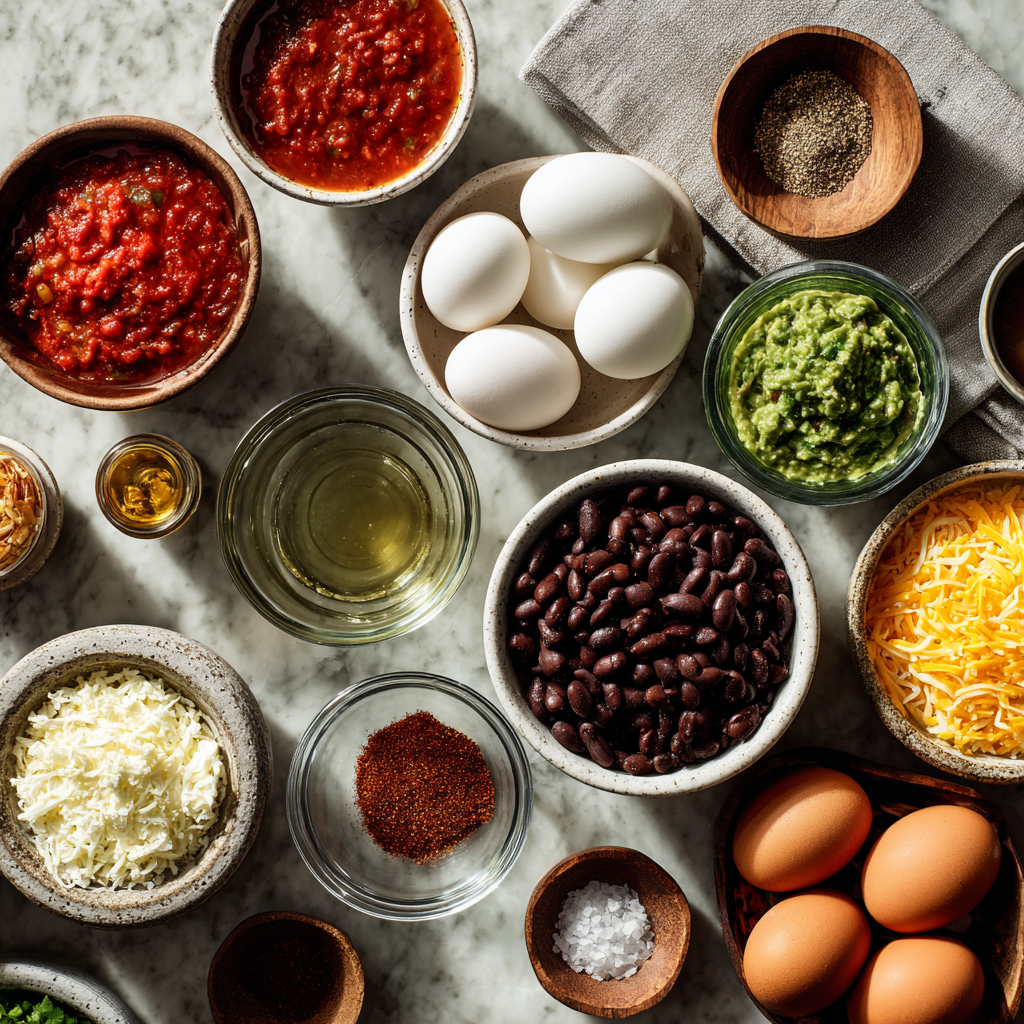
Ingredients List
To replicate the authentic flavor profile, we move away from jarred salsa and focus on fresh produce.
The Salsa Ranchera (The Soul)
- Roma Tomatoes (4 large): Roasted. These have a lower water content than beefsteaks, creating a thicker sauce.
- Serrano Peppers (2): Or Jalapeños for less heat. Serrano offers a brighter, grassy kick.
- White Onion (½ medium) & Garlic (2 cloves): The aromatic base.
- Vegetable Broth (¼ cup): To adjust consistency.
The Foundation
- Corn Tortillas (4): Strictly corn. Flour tortillas get gummy when sauced. Yellow or white corn works best.
- Vegetable Oil: For frying.
- Eggs (4 large): Freshness matters for a firm white and a creamy yolk.
- Refried Beans (1 cup): Black or Pinto. Homemade is best, but canned works if you doctor it up with a little cumin and lime.
The Garnish
- Cilantro: Freshly chopped.
- Avocado: Sliced or cubed.
- Queso Fresco (or Cotija): A crumbly, salty cheese that doesn’t melt, providing texture contrast.
Timing
This is a high-speed meal once the salsa is ready.
- Prep Time: 10 minutes
- Cook Time: 15 minutes
- Total Time: Approx. 25 minutes
- Efficiency Stat: By roasting the veggies while heating the beans, you can plate this nutritious meal in less time than it takes to bake a batch of muffins.
Step-by-Step Instructions
Step 1: Roast the Aromatics (H3)
Place the tomatoes, onion, garlic, and peppers on a baking sheet or dry skillet over high heat. Char them until the skins are blackened and blistered (about 8–10 minutes).
- Flavor Science: This charring (carbonization) adds a smoky depth that boiling or raw blending simply cannot replicate.
Step 2: The Salsa Blitz (H3)
Peel the garlic (leave tomato skins on for texture). Toss the roasted veggies into a blender with salt and a splash of broth. Pulse until chunky-smooth.
- The Simmer: Pour this sauce into a small saucepan and simmer on low for 5 minutes. Warm salsa is crucial—cold salsa on hot eggs cools the dish too fast.
Step 3: The Tortilla “Pass” (H3)
Heat 2 tbsp of oil in a skillet over medium-high heat. Flash-fry each tortilla for 10–15 seconds per side.
- The Texture Goal: You do not want a hard tostada chip, nor a soft taco. You want it pliable but with a sealed surface so it doesn’t disintegrate under the salsa. Drain on paper towels.
Step 4: The Base Layer (H3)
Spread a generous layer of hot refried beans over the fried tortilla.
- Structural Integrity: The beans act as the “glue” that holds the egg in place so it doesn’t slide off the plate.
Step 5: The Egg and Assembly (H3)
Fry your eggs sunny-side up (whites set, yolk runny). Place one egg on top of the bean-covered tortilla. Spoon the warm Salsa Ranchera over the egg white and the edges of the tortilla, leaving the beautiful yellow yolk visible. Top with cheese and cilantro.
Nutritional Information
This is a balanced powerhouse of a breakfast.
Per Serving (2 Tortillas/Eggs):
- Calories: ~450 kcal
- Protein: 22g (High quality)
- Total Fat: 24g (Healthy monounsaturated fats from avocado/oil)
- Carbohydrates: 38g
- Fiber: 9g (Excellent source)
- Sugar: 4g
Data Insight: The combination of fiber from the beans/corn and protein from the eggs results in a lower glycemic spike compared to toast-based breakfasts, keeping you fuller for 4+ hours.
Healthier Alternatives for the Recipe
Authenticity can be tweaked for dietary needs without losing the spirit of the dish.
- Baked Tortillas: Instead of frying in oil, brush the tortillas with a little olive oil spray and bake at 400°F for 5 minutes. This reduces fat content by ~8g.
- Egg Whites: Use 1 whole egg and 2 egg whites to lower cholesterol while maintaining volume.
- Legume Swap: Replace refried beans with whole black beans or lentils for a texture change and slightly lower sodium (if using canned).
- Vegan Option: Use a “Tofu Scramble” seasoned with turmeric and nutritional yeast instead of eggs. Ensure the beans are vegetarian (no lard).
Serving Suggestions
Huevos Rancheros is a meal, but the sides make it a feast.
- The Drink: Pair with Café de Olla (coffee brewed with cinnamon and raw sugar) or a fresh orange juice. The acidity cuts the richness.
- Fruit Side: Serve with sliced papaya or mango seasoned with chili powder (Tajín) to cleanse the palate.
- Potatoes: While not traditional, a side of roasted breakfast potatoes works well if you need extra carbs for a heavy workday.
Common Mistakes to Avoid
Here is why restaurant versions often fail compared to homemade.
- The “Soggy Bottom”:
- Mistake: Skipping the tortilla fry step or using raw tortillas.
- Result: The salsa turns the tortilla into mush instantly.
- Fix: The oil creates a hydrophobic barrier. Do not skip the fry.
- Drowning the Yolk:
- Mistake: Pouring salsa directly over the yolk.
- Result: You lose the visual appeal and the yolk cooks further from the heat of the sauce.
- Fix: Spoon salsa around the yolk, framing it like a picture.
- Cold Components:
- Mistake: Plating hot eggs on cold beans.
- Result: A lukewarm, unappetizing breakfast.
- Fix: Heat your beans and salsa thoroughly before cooking the eggs.
Storing Tips for the Recipe
This is a “fresh is best” dish, but components can be prepped ahead.
- The Salsa: Can be made up to 5 days in advance. Store in the fridge. The flavor actually improves after 24 hours as the garlic and chilies meld.
- The Beans: Make a big batch and store for up to a week.
- Assembly: Do not assemble and store. The tortilla will dissolve. Assemble only when ready to eat.
- Freezing: The salsa freezes perfectly for 3 months.
Conclusion
Huevos Rancheros is a testament to the power of humble ingredients. By combining the earthy corn, creamy beans, rich egg yolk, and bright, spicy salsa, you create a symphony of flavors that is deeply satisfying. It is rustic, unpretentious, and arguably the best way to start a weekend morning.
Ready to spice up your breakfast routine? Grab those tomatoes and get roasting! If you tried this recipe, let us know in the comments—how spicy do you like your salsa? Don’t forget to rate the recipe and subscribe for more global kitchen adventures.
FAQs
1. Flour or Corn Tortillas? Corn. Always corn. Flour tortillas are delicious, but they are traditionally used for burritos or quesadillas in Northern Mexico. For Rancheros, the sturdy texture and earthy flavor of corn are essential to stand up to the wet sauce.
2. Is this dish spicy? It depends on your salsa. Authentic Salsa Ranchera has a medium kick. You can control the heat by removing the seeds and membranes from the Serrano peppers before blending, or by using just half a pepper.
3. What is the difference between Huevos Rancheros and Huevos Divorciados? “Divorced Eggs” (Huevos Divorciados) features two eggs separated by a line of beans—one egg is covered in red salsa (salsa roja) and the other in green salsa (salsa verde). Rancheros typically uses only red salsa.
4. Can I use store-bought salsa? In a pinch, yes. Look for a “roasted” or “fire-roasted” salsa style. However, since the sauce is the main flavor driver here, spending 10 minutes to make fresh salsa yields a 10x better result.