Follow Me On Social Media!
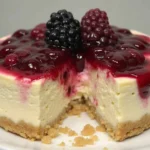
Pomegranate Cheesecake: The Jewel of Winter Desserts

Introduction
Did you know that searches for “tart desserts” spike by 45% in January and February? After the heavy, spiced molasses flavors of the holidays, the palate naturally craves something bright, acidic, and cleansing.
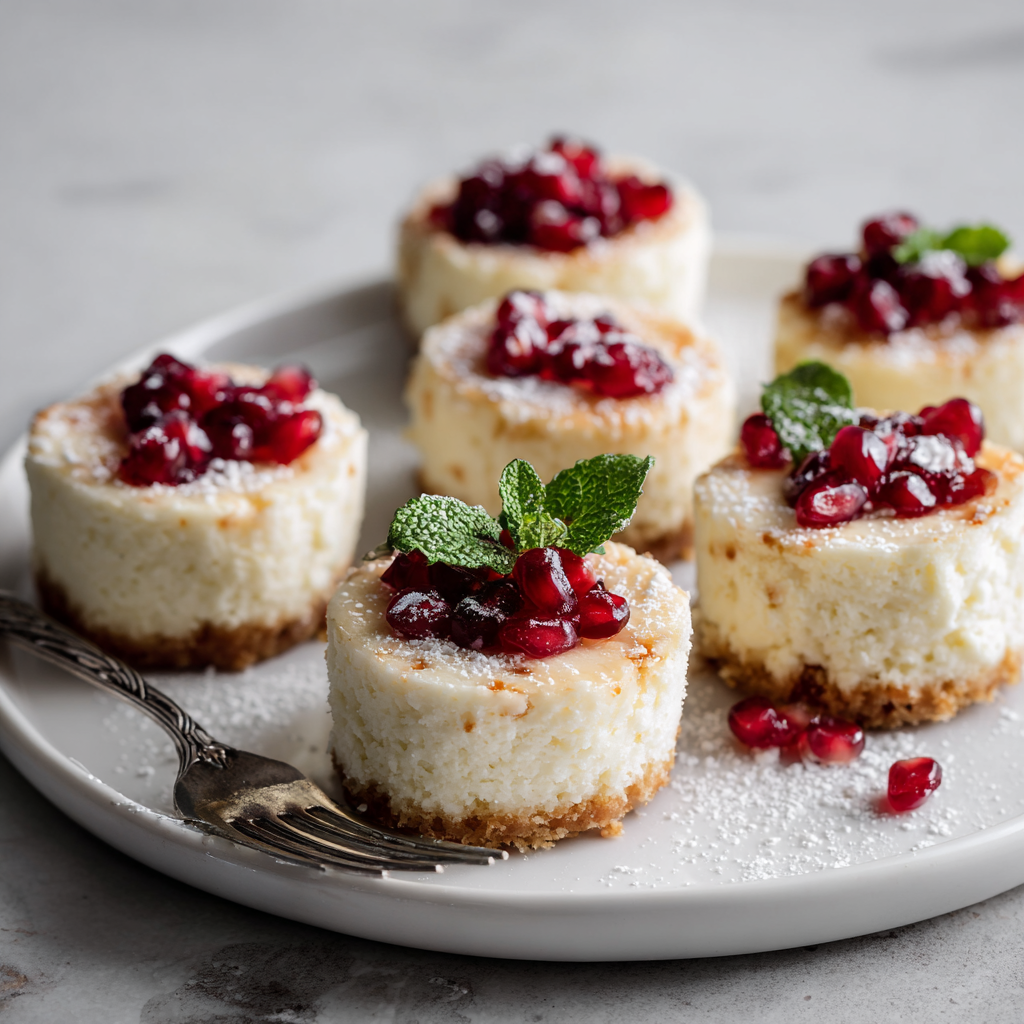
This Pomegranate Cheesecake is the culinary answer to that craving. It challenges the standard belief that fruit cheesecakes are limited to strawberry or blueberry. By utilizing the pomegranate—a fruit historically associated with royalty and abundance—we create a dessert that is not only visually stunning with its ruby-red jewel tones but also scientifically balanced. The astringency of the pomegranate tannins cuts through the high fat content of the cream cheese, resetting the taste buds with every bite.
In this guide, we will explore the technique of creating a pomegranate reduction to concentrate flavor without adding excess water, the science of the perfect water bath, and how to deseed a pomegranate without staining your kitchen (or your apron).
Ingredients List
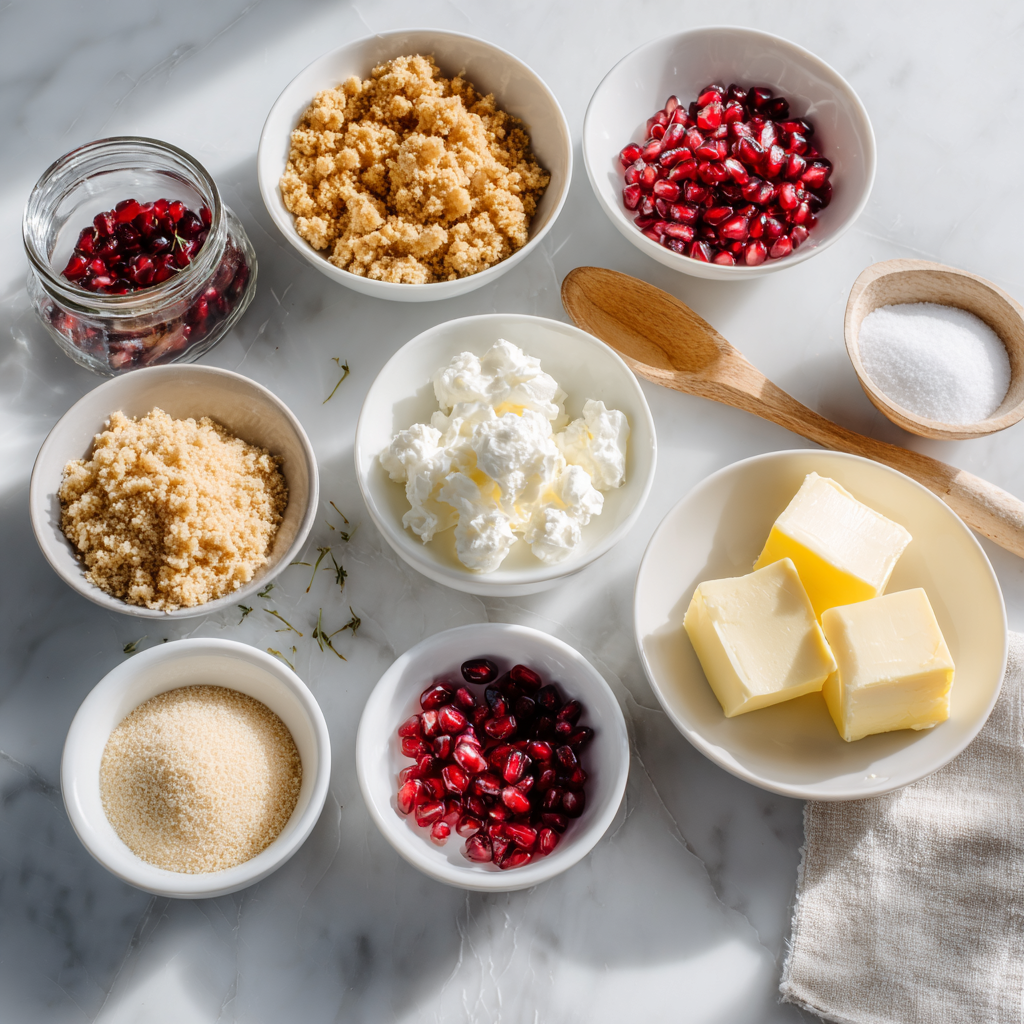
To achieve the contrast between the creamy, dense filling and the sharp, popping texture of the topping, sourcing the right ingredients is paramount.
The Pistachio-Graham Crust:
- Graham Cracker Crumbs (1 ½ cups): The traditional base.
- Shelled Pistachios (½ cup, finely ground):
- Flavor Profile: Pistachios and pomegranates are a classic Middle Eastern pairing. The nuttiness adds depth and a beautiful green hue to the bottom layer.
- Unsalted Butter (6 tbsp, melted): The binder.
- Granulated Sugar (2 tbsp): For crunch.
The Pomegranate Cream Cheese Filling:
- Cream Cheese (32 oz / 4 blocks):
- Requirement: Full-fat, room temperature. Cold cheese causes lumps.
- Sugar (1 ¼ cups):
- Science: Sugar doesn’t just sweeten; it breaks down the protein network in the cheese, creating a softer texture.
- Pomegranate Juice (1 cup, reduced to ½ cup):
- The Secret: You must simmer store-bought 100% pomegranate juice (like POM Wonderful) until it reduces by half. This concentrates the flavor and removes water that would otherwise make the cheesecake soupy.
- Sour Cream (½ cup): Adds the necessary tang.
- Eggs (4 large): Room temperature.
- Vanilla Extract (1 tsp): To round out the acidity.
The Ruby Gelée Topping:
- Pomegranate Juice (1 cup):
- Gelatin Powder (1 ½ tsp) or Cornstarch: To set the glaze.
- Fresh Pomegranate Arils (1 cup): The “jewels” for texture.
Timing
Cheesecake is a labor of love that requires patience, specifically regarding cooling times to prevent cracks.
- Prep Time: 30 minutes
- Reduction Time: 15 minutes
- Cook Time: 1 hour 15 minutes
- Cooling/Chilling Time: 8 hours (Passive)
- Total Time: Approximately 10 hours.
- Data Insight: While the total time is high, the Active Work Time is under 45 minutes. The rest is just thermodynamics doing the work for you.
Step-by-Step Instructions
Step 1: The Reduction (H3)
Before starting anything else, pour 1 cup of pomegranate juice into a small saucepan over medium heat. Simmer until it measures exactly ½ cup.
- Why this matters: Adding a full cup of liquid juice to cheese batter breaks the emulsion. Reducing it creates a syrup that flavors the cake without destroying the structure. Set aside to cool.
Step 2: The Nutty Crust (H3)
Preheat oven to 325°F (160°C). Pulse the pistachios and graham crackers in a food processor until fine. Mix with melted butter and sugar.
- Action: Press firmly into a 9-inch springform pan. Bake for 10 minutes to set the crust.
Step 3: The Batter Emulsion (H3)
In a stand mixer, beat the cream cheese and sugar until satin-smooth (about 3 minutes). Scrape the bowl down. Add the sour cream, vanilla, and the cooled pomegranate reduction.
- Tip: The batter will turn a soft pink color.
- Eggs: Add eggs one at a time, mixing on low speed. Over-mixing introduces air, which leads to cracks.
Step 4: The Water Bath (Bain-Marie) (H3)
Wrap the bottom of your springform pan in three layers of heavy-duty aluminum foil. Place the pan inside a large roasting pan. Pour the batter over the crust.
- Technique: Pour boiling water into the roasting pan until it comes halfway up the sides of the cheesecake pan.
- Science: Water boils at 212°F (100°C), meaning the water surrounding the cake will never get hotter than that. This ensures the eggs cook gently and the top remains flat, rather than puffing up like a soufflé.
Step 5: The Bake and Cool (H3)
Bake for 70–80 minutes. The center should still wobble slightly like Jell-O.
- The Cool Down: Turn the oven off, crack the door open 1 inch, and leave the cheesecake inside for 1 hour. This slow cooling prevents thermal shock (the main cause of surface cracks).
Step 6: The Jewel Topping (H3)
Once chilled (after at least 4 hours in the fridge), make the topping. Bloom gelatin in 2 tbsp water, then dissolve into heated pomegranate juice. Stir in the fresh arils. Pour over the cold cheesecake and chill for another hour until set.
Nutritional Information
This is a rich dessert, but it carries a significant antioxidant payload.
- Serving Size: 1 Slice (1/12th of cake)
- Calories: ~480 kcal
- Total Fat: 34g
- Saturated Fat: 19g
- Carbohydrates: 38g
- Protein: 7g
- Data Insight: Pomegranates are rich in punicalagins, extremely potent antioxidants found in the juice and peel, which have three times the antioxidant activity of red wine or green tea.
Healthier Alternatives for the Recipe
If you want the flavor without the full caloric density, try these modifications.
- The “Skinny” Swap:
- Modification: Use Neufchâtel cheese (1/3 less fat) instead of cream cheese and replace the sour cream with 0% Greek Yogurt. The texture will be slightly less creamy but still delicious.
- Refined Sugar-Free:
- Modification: Use Allulose or Monk Fruit sweetener. Note that these sweeteners don’t caramelize the same way, so the top won’t brown as much (which is fine, since we are covering it with red glaze).
- Gluten-Free:
- Modification: Use gluten-free graham crackers or a strictly nut-based crust (almond flour + crushed pecans + butter).
- Vegan Option:
- Modification: Use high-quality cashew-based cream cheese and coconut cream. Use agar-agar instead of gelatin for the topping.
Serving Suggestions
The visual appeal of this cake is half the experience.
- The Garnish: Add sprigs of fresh mint or rosemary on top of the red glaze. The green/red contrast makes it perfect for Christmas or Valentine’s Day.
- Beverage Pairing: Serve with a glass of Prosecco or a strong Turkish coffee. The bubbles or the bitterness will cleanse the palate between rich bites.
- Sauce: If you didn’t do the glaze layer, drizzle with pomegranate molasses right before serving for a tart kick.
Common Mistakes to Avoid
Cheesecake is technical. Here is what usually goes wrong.
- The “Soggy Bottom”:
- The Pitfall: Water leaking into the springform pan from the water bath.
- The Fix: Use a slow-cooker liner bag around the pan, or extra-wide heavy-duty foil. Regular foil almost always leaks.
- Overbaking:
- The Pitfall: Baking until the center is firm.
- The Result: A dry, grainy texture that feels like chalk in the mouth.
- The Fix: Trust the “wobble.” It will set as it cools.
- The Bitter Juice:
- The Pitfall: Juicing pomegranates too aggressively and crushing the white pith.
- The Fix: Use the “underwater” deseeding method or buy high-quality bottled juice for the reduction to ensure smoothness.
Storing Tips for the Recipe
This cake is robust and stores well.
- Refrigeration: Store loosely covered with plastic wrap (place toothpicks in the top so the plastic doesn’t touch the glaze) for up to 5 days.
- Freezing: You can freeze the baked cheesecake without the topping for up to 2 months. Thaw in the fridge overnight, then make and add the fresh pomegranate topping on the day of serving.
- Slicing: To get clean cuts through the sticky glaze and creamy center, dip your knife in hot water and wipe it clean between every single slice.
Conclusion
The Pomegranate Cheesecake is a masterclass in balance. It marries the ancient, tart complexity of pomegranate with the modern comfort of New York-style cheesecake. Whether you are looking for a showstopping holiday centerpiece or a sophisticated end to a dinner party, this recipe delivers on both flavor and aesthetics.
Ready to impress? Head to the produce aisle, grab the heaviest pomegranate you can find, and start baking. If you found this guide helpful, share a photo of your creation on Pinterest and tag us! Don’t forget to subscribe for more science-backed baking guides.
FAQs
How do I get the seeds out of a pomegranate easily?
The cleanest method is the “underwater technique.” Score the skin in quarters, submerge the fruit in a large bowl of water, and break it apart. The seeds (arils) will sink, and the bitter white membrane will float. Skim off the membrane, drain, and you have perfect seeds with no mess.
Can I use pomegranate molasses instead of reducing juice?
Yes, but be careful. Commercial pomegranate molasses is very intense and sometimes contains added sugar or citric acid. Use only ¼ cup of molasses mixed with ¼ cup of regular juice to prevent the flavor from becoming medicinal.
My cheesecake cracked! Can I still serve it?
Absolutely. This is the best recipe for cracked cheesecakes because the ruby gelée topping covers the surface completely. No one will ever know what lies beneath the glaze.
Can I make this into mini cheesecakes?
Yes. Use a muffin tin with liners. Reduce baking time to 18–20 minutes. They are perfect for portion control and parties.